
Search Results
43 Results Found for “Autoantibodies”

Why this topic matters Autoimmune psychosis (AP) is conceptualized as a psychosis-dominant form of autoimmune encephalitis (AE). In contrast to ‘typical’ AE, in which seizures, impaired consciousness and focal deficits rapidly declare a neurological syndrome, patients with AP can initially ...

Broadest approval to date in generalized myasthenia gravis The FDA approval of nipocalimab for generalized myasthenia gravis (gMG) introduces a targeted therapy within a validated class, offering the potential for durable disease control across the broadest patient population to date. ...
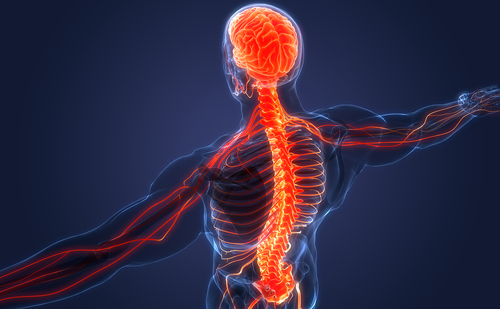
Neuromyelitis optica spectrum disorders (NMOSD) are a group of relapsing autoimmune diseases of the central nervous system. The clinical hallmarks of NMOSD are myelitis and optic neuritis; however, a wider clinical spectrum has been recognized.1 The majority of patients with ...
Case study Patient information A 42-year-old woman presented in the emergency department with acute onset whole-body myoclonic jerks for 1 day. On enquiry, the patient’s parents advised that she had a history of depression over the past 15 years. Intermittently, family ...

The coronavirus disease 2019 (COVID-19) pandemic has led to unprecedented illness and death among the global population. Severe acute respiratory syndrome coronavirus 2 (SARS-CoV-2) infection can range from mild upper respiratory symptoms that subside with no lasting effects to multiorgan system failure ...
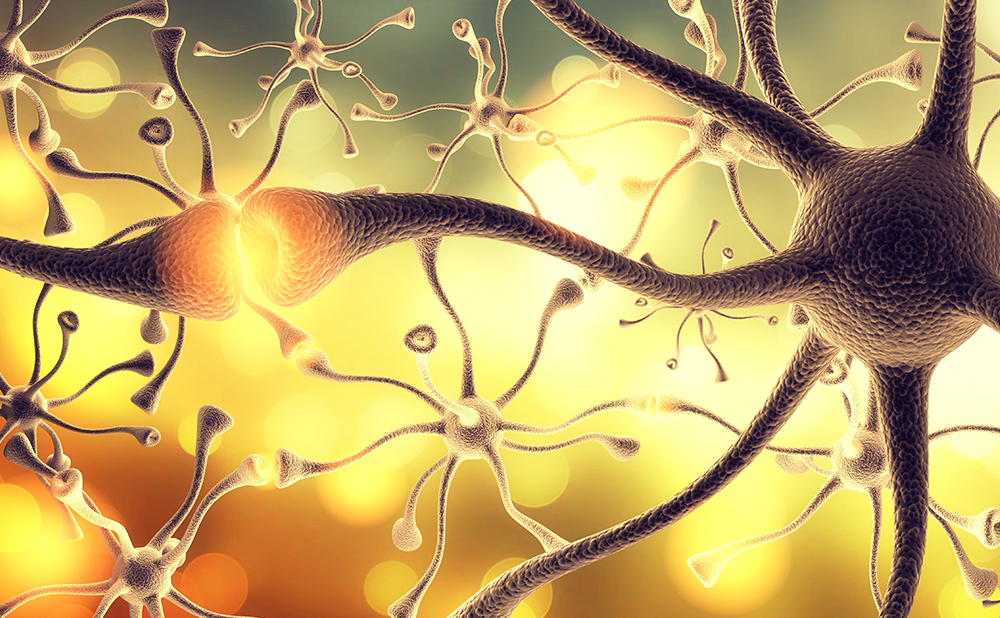
Myasthenia gravis (MG) represents the major and most frequent primary disorder of the neuromuscular junction. Clinical hallmarks are variable and include exercise-induced weakness involving extraocular, bulbar, limb and/or axial muscles.1 Respiratory involvement, characterized by orthopnoea or dyspnoea with exertion, ...
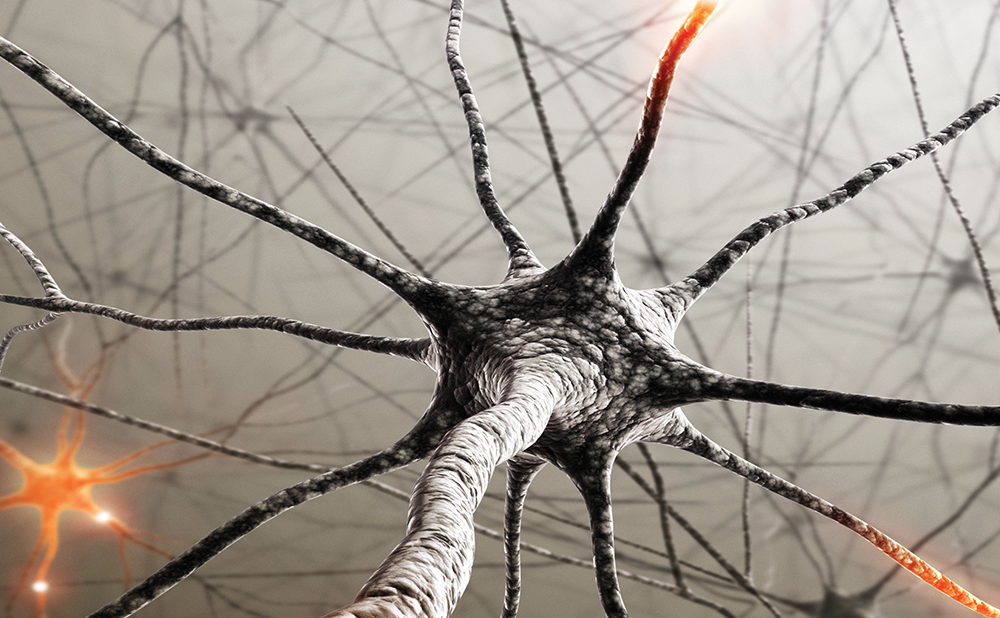
Infection of the central nervous system (CNS) due to cytomegalovirus (CMV) is rare, as it typically occurrs in immunocompromised patients and rarely affects those who are immunocompetent.1 Brain infection – manifested by meningoencephalitis – is much more common than infection of the ...
The clinical use of cancer immunotherapy with immune checkpoint inhibitors (ICI) has transformed cancer management and added another effective treatment option for different types of malignancies.1–3 In 2018, the Nobel Prize for medicine and physiology was awarded for the discovery of ...
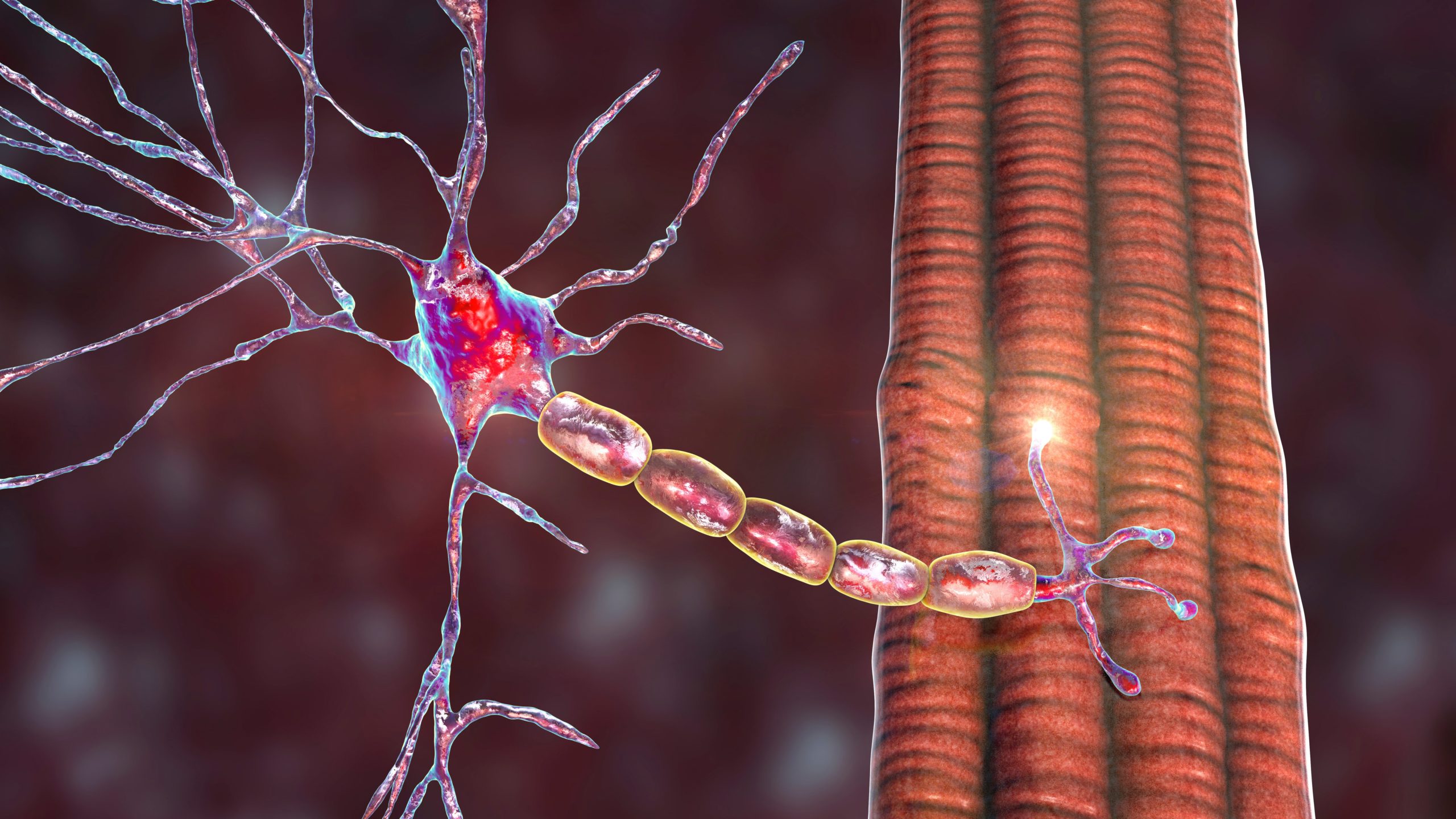
Myasthenia gravis (MG) is an autoimmune disorder caused by autoantibodies against the myoneural junction, which lead to impaired neuromuscular transmission. These antibodies act at the post-synaptic membrane, commonly against the nicotinic acetylcholine receptor (AChR) but in some cases, antibodies to ...
Neuromyelitis optica spectrum disorder (NMOSD) is an inflammatory disease of the central nervous system (CNS) and is known to cause recurrent episodes of optic neuritis and transverse myelitis. Myelitis is radiologically referred to as longitudinal extensive transverse myelitis on spinal ...

Neurologic manifestations in systemic sclerosis are rare, occurring in 0.8–5.6% of patients. Peripheral neuropathy is one of the most common neurologic abnormalities, with central nervous system involvement reported less frequently.1 Central nervous system (CNS) manifestation has been described in a few ...
Neuromyelitis optica spectrum disorder (NMOSD) refers to a family of inflammatory central nervous system (CNS) diseases in which patients accrue disability through severe episodes of demyelination with typical manifestations including involvement of visual pathways (e.g., optic neuritis) and spinal ...

Sean Pittock (Mayo Clinic College of Medicine, Rochester, MN, USA) shared with us his expert insights from the phase 3 PREVENT study, a randomized controlled trial of eculizumab in AQP4 antibody-positive participants with neuromyelitis optica (ClinicalTrials.gov Identifier: NCT01892345), including a ...
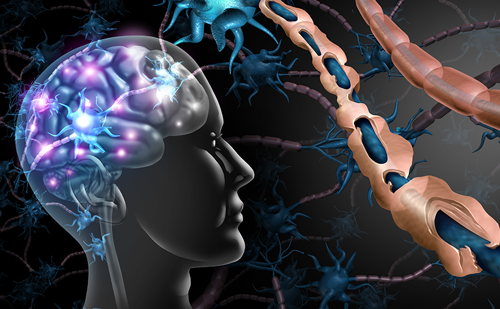
Multiple sclerosis (MS) has traditionally been considered a primarily T-cell-mediated autoimmune disease of the central nervous system (CNS); this is based on data from animal models,1 the presence of activated T lymphocytes in MS plaques that outnumber B cells and ...
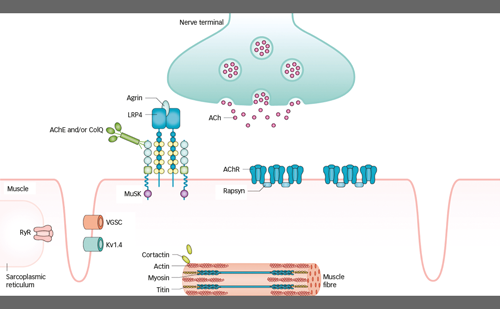
Myasthenia gravis (MG) leads to muscle weakness, which increases with repetitive use of muscles; in the morning, many patients are symptom-free.1,2 Diplopia, ptosis and weakness in other muscles innervated by cranial nerves, are typical. The muscle weakness is, in most ...
Chronic inflammatory demyelinating polyneuropathy (CIDP) is a rare but challenging neuroimmunologic peripheral nerve disease with a chronic progressive or relapsing-remitting course.1,2 Effective maintenance therapies are critical for managing the condition, maintaining a response, and preventing relapse.3 In CIDP, symptoms result ...

Therapeutic plasma exchange (TPE) has been an accepted treatment for specific neurological disorders for several decades. For some medical professionals, it is seen as an effective treatment option alongside immunomodulatory therapies and other medicines. But its benefits for patients still ...

It was an absolute pleasure to meet with Angela Vincent, Emeritus Professor of Neuroimmunology at the University of Oxford. Until 2016 she led the clinical and research laboratory at Oxford specialising in antibody-mediated neurological diseases. Despite not being a neurologist herself, ...
Log into your Touch Account
Keep track of your clinical interests and newsletter subscriptions.
Sign up with an Email
Or use a .
Register now for FREE access
Already registered? Login below.
