
Search Results
126 Results Found for “cerebrospinal fluid (CSF), ”
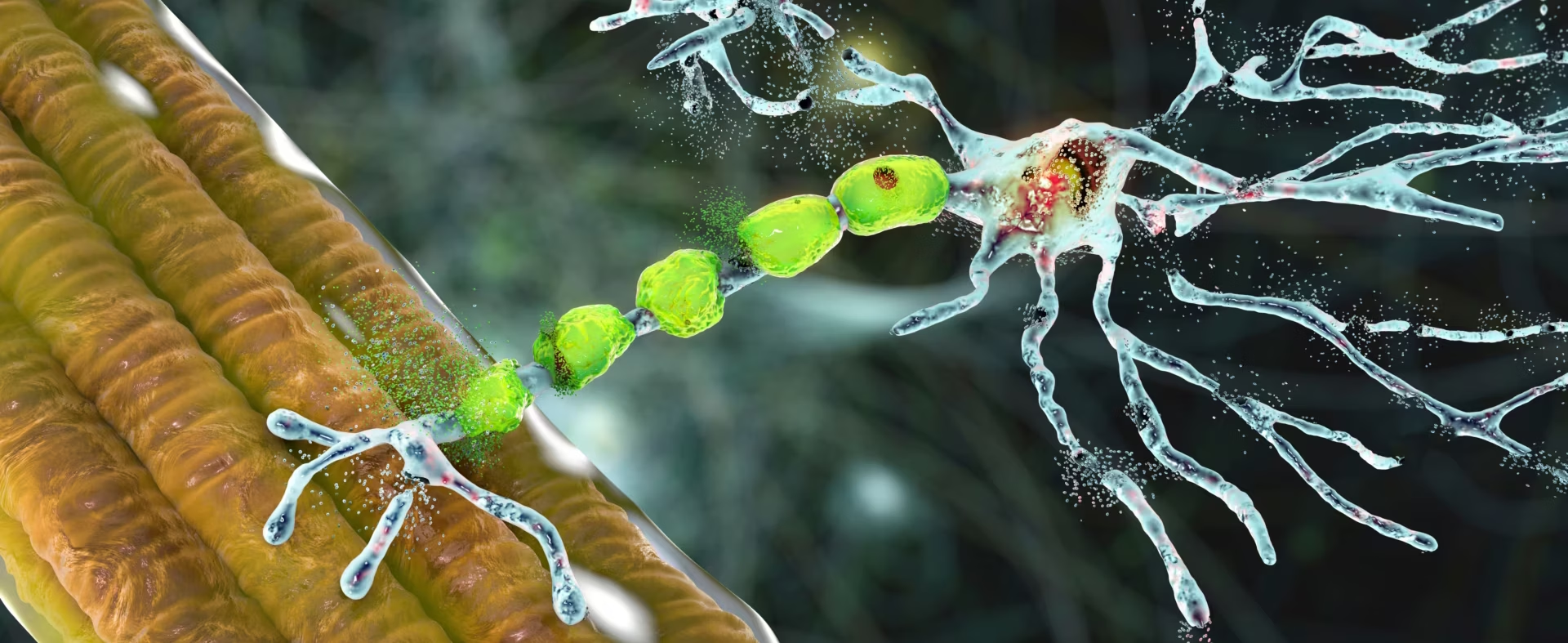
The phase 3 FUSION trial has met its primary endpoint, with the RNA-targeted therapy ulefnersen demonstrating a significant benefit across a combined measure of function and survival in people with fused in sarcoma-associated amyotrophic lateral sclerosis. Ulefnersen, an investigational antisense oligonucleotide ...

Explore the National Multiple Sclerosis Society’s new interactive eLearning program, designed to help clinicians understand and apply the 2024 McDonald Criteria in clinical practice The 2024 revisions to the McDonald Criteria represent a substantial evolution in the diagnosis of multiple sclerosis (...

Could NLRP3 be the missing link between amyloid pathology and tau-mediated neurodegeneration? Dr Gennaro Pagano explains how insights from the GRADUATE trial is informing the next generation of Alzheimer's disease therapies and advancing our understanding of neuroinflammation. https://touchmedicalmedia-1.wistia.

We are delighted to announce Dr Ahmed Abdelhak as a touchNEUROLOGY Future Leader 2026, selected by peers as one of the neurologists changing the future of research in blood biomarkers in multiple sclerosis. We spoke with Dr Ahmed Abdelhak (Department of ...

Why this topic matters Autoimmune psychosis (AP) is conceptualized as a psychosis-dominant form of autoimmune encephalitis (AE). In contrast to ‘typical’ AE, in which seizures, impaired consciousness and focal deficits rapidly declare a neurological syndrome, patients with AP can initially ...
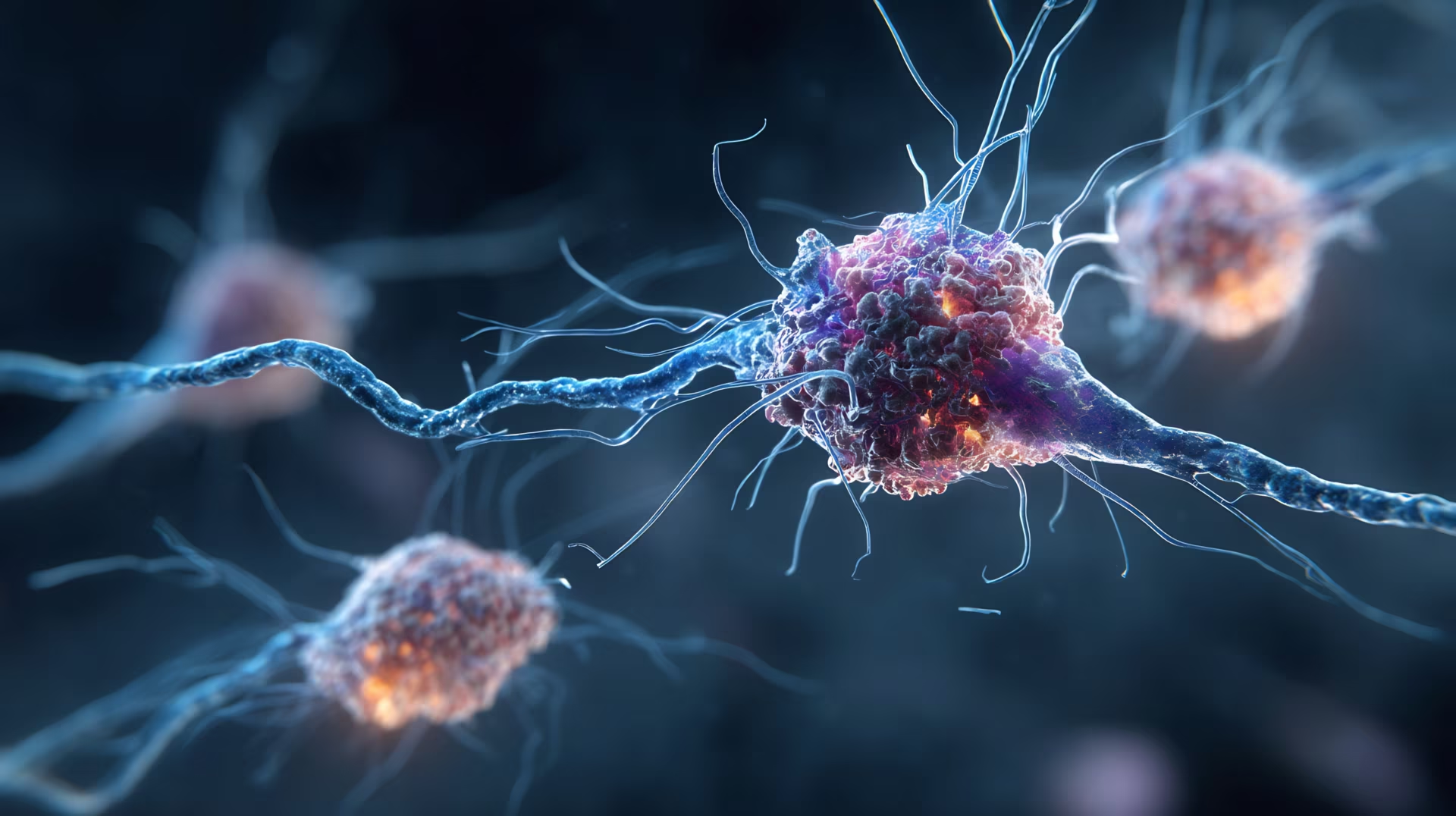
Huntington’s disease (HD) is a fatal, autosomal-dominant, neurodegenerative disorder caused by a cytosine–adenine–guanine (CAG) trinucleotide repeat expansion in the huntingtin (HTT) gene, located on chromosome 4p16.3. When this repeat exceeds 36 units, it leads to the synthesis of ...
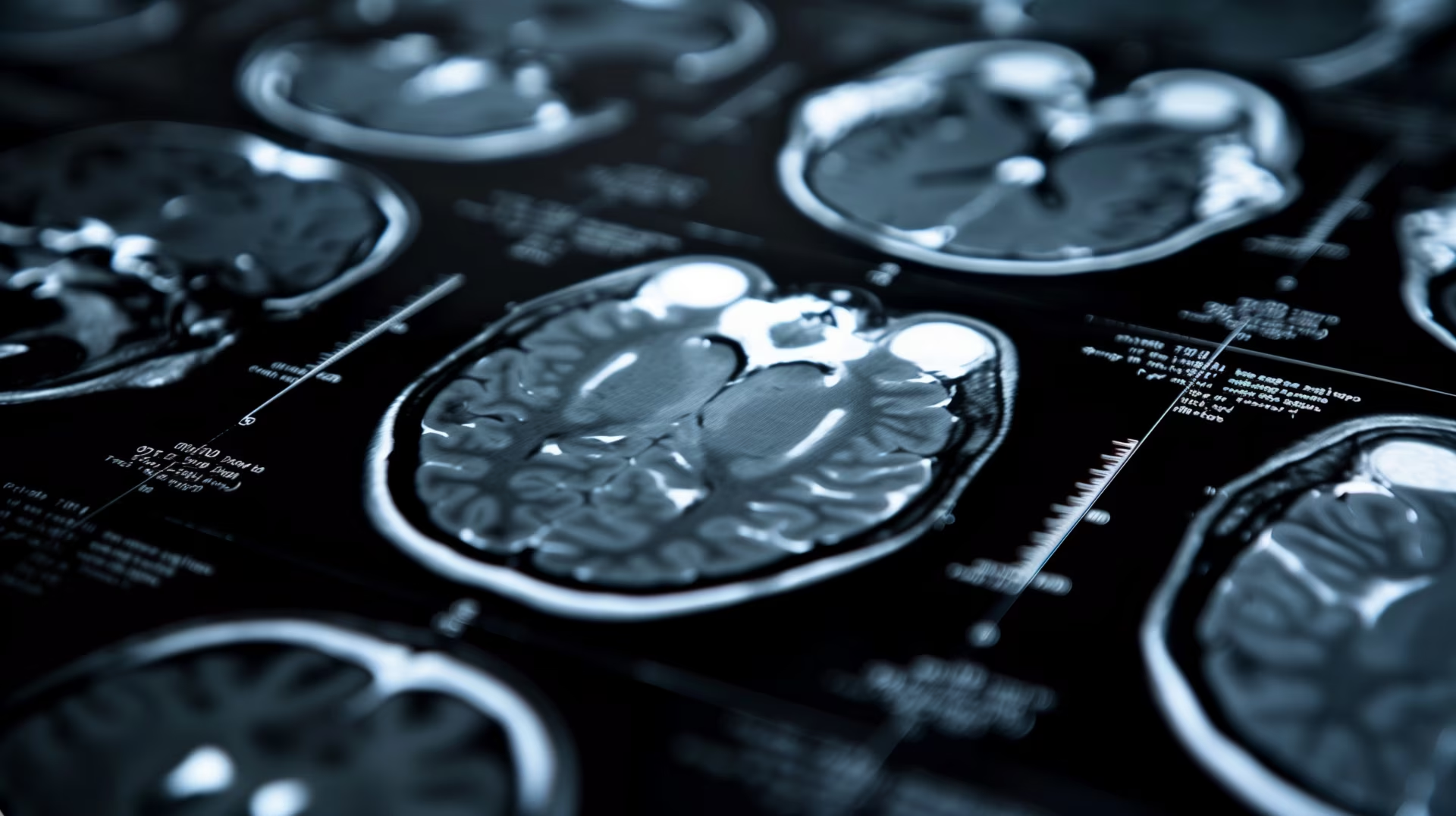
At ECTRIMS 2025, updates to the McDonald diagnostic criteria for multiple sclerosis highlighted the increasing role of MRI, OCT and body-fluid biomarkers in supporting early and accurate diagnosis. We spoke with Dr Marcello Moccia about the criteria’s flexible design, global applicability, and how multimodal approaches could improve prognostication and treatment selection.

Explore key updates to the McDonald criteria for diagnosing multiple sclerosis and how they aim to improve early, accurate diagnosis. An article prepared in collaboration with the National MS Society.

The Phase 1/2 study of AMT-130, the first in-human gene therapy designed to slow the course of Huntington’s disease (HD), has announced positive topline results from its pivotal trial.1 The data provide hope that a intrastriatal adeno-associated virus (AVV)-based ...

With the increasing approval of Alzheimer's disease-modifying therapies and the emergence of more accessible diagnostic tools, the treatment landscape in Alzheimer’s disease (AD) is undergoing a transformation. At AAIC 2025, several pivotal studies and technological innovations were showcased that could reshape both the short- and long-term management of AD. In this expert interview, Prof. George Grossberg (Saint Louis University School of Medicine, St Louis, MO, USA) shares his perspective on the most promising agents in development, as well as his reflections on key findings from Alzheimer’s Association International Conference (AAIC) 2025.

The 11th Congress of the European Academy of Neurology (EAN) delivered ground-breaking insights across neurology, showcasing how precision medicine is reshaping clinical practice. Taken from the EAN Highlights and Breaking news session presented 24 June 2025 (PLEN03), touchNEUROLOGY summarizes the key highlights across dementia, headache, movement disorders, cerebrovascular and neuromuscular diseases.

In this episode of Visionary Voices, Dr Anthony Caggiano, Chief Medical Officer at Cognition Therapeutics, joins us to explore how biomarkers are transforming our understanding of Alzheimer’s disease, from diagnosis and disease progression to drug development and the future of clinical care.
Amyotrophic lateral sclerosis (ALS) is a neurodegenerative disorder of upper and lower motor neurons that results in progressive motor impairment. ALS is the most common disease of motor neurons with an annual incidence of approximately 1.7–2.5 per 100,000 people. It is a ...
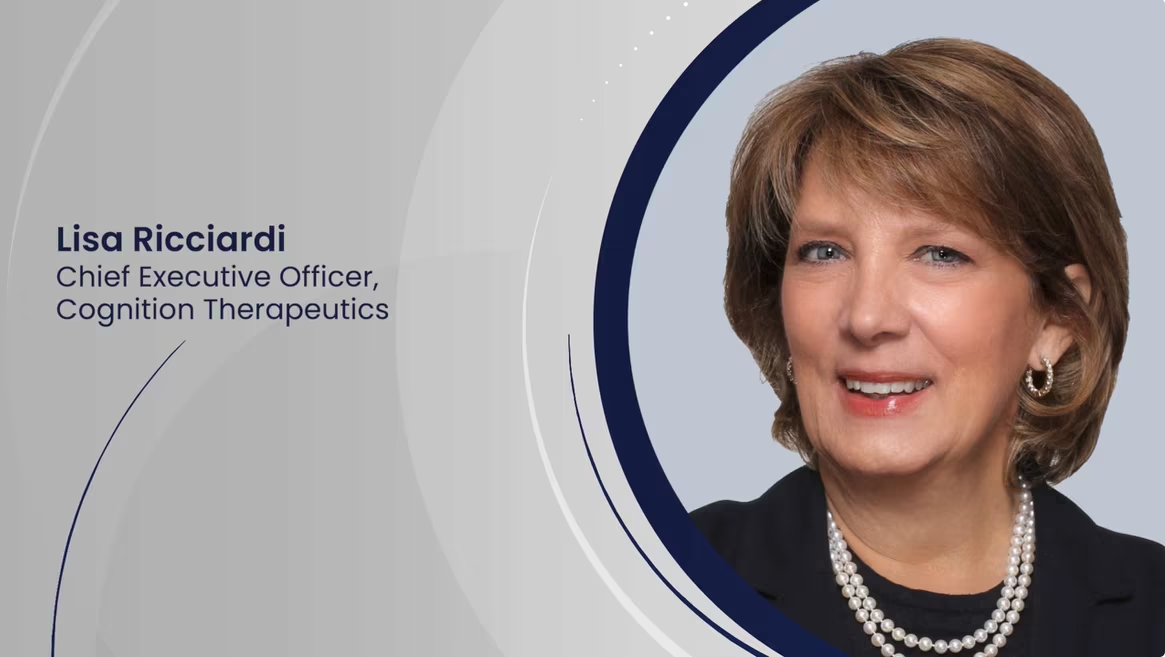
In this interview, we speak with Dr Anthony Caggiano, Chief Medical Officer and Head of R&D at Cognition Therapeutics, and Lisa Ricciardi, the company’s Chief Executive Officer. They discuss the design and findings of the phase II SHINE trial evaluating zervimesine (CT-1812) in mild to moderate Alzheimer’s disease, including important biomarker and clinical insights presented at recent international conferences. They also reflect on promising data from a study in dementia with Lewy bodies (DLB) and how these results are shaping the company’s next steps.

The Lumipulse G pTau217/ß-Amyloid 1-42 Plasma Ratio test, the first diagnostic blood test designed to aid in the evaluation of Alzheimer’s disease (AD), has been cleared by the US Food and Drug Administration (FDA). The Lumipulse G pTau217/ß...
Amyotrophic lateral sclerosis (ALS) is characterized by the degeneration of both upper and lower motor neurons, which ultimately leads to muscle weakness, atrophy, spasticity and contractures.1 ALS typically manifests in the 50–60 years age range, although familial cases may present in ...

I’m an old clinician; I graduated in Medicine in 1963 at the University of Padova, Italy, and I’m proud to be on the editorial board of touchNEUROLOGY. With this in mind, I would like to express my opinions on ...
Neuromyelitis optica spectrum disorder (NMOSD) is a rare inflammatory autoimmune disease of the central nervous system (CNS) with a worldwide distribution.1 The first clinical description of NMOSD was made a century ago by Devic and Gault, who documented patients with ...
Log into your Touch Account
Keep track of your clinical interests and newsletter subscriptions.
Sign up with an Email
Or use a .
Register now for FREE access
Already registered? Login below.
