
Search Results
346 Results Found for “magnetic resonance imaging (MRI)”

Explore the National Multiple Sclerosis Society’s new interactive eLearning program, designed to help clinicians understand and apply the 2024 McDonald Criteria in clinical practice The 2024 revisions to the McDonald Criteria represent a substantial evolution in the diagnosis of multiple sclerosis (...

Highlights from the European Academy of Neurology (EAN) 2026 Congress included new phase 3 data in ocular myasthenia gravis, emerging migraine treatments, longer-term results in multiple sclerosis, and advances in deep brain stimulation for Parkinson’s disease. The 12th Congress of the ...

Both intracerebral hemorrhage and ischemic stroke continue to be the leading causes of disability and the second leading causes of death worldwide.1,2 The burden is largest in low- and middle-income countries, which have seen rapid recent population growth. Large vessel ...

Why this topic matters Autoimmune psychosis (AP) is conceptualized as a psychosis-dominant form of autoimmune encephalitis (AE). In contrast to ‘typical’ AE, in which seizures, impaired consciousness and focal deficits rapidly declare a neurological syndrome, patients with AP can initially ...

In this year-end review, we are pleased to share personal highlights from members of the touchNEUROLOGY Editorial Board, whose perspectives offer a window into the innovations that have most influenced clinical practice and research over the past 12 months. Their reflections capture not only the momentum of 2025, but also the promise of what lies ahead as the field continues to evolve.
Huntington’s disease (HD) is a fatal, autosomal-dominant, neurodegenerative disorder caused by a cytosine–adenine–guanine (CAG) trinucleotide repeat expansion in the huntingtin (HTT) gene, located on chromosome 4p16.3. When this repeat exceeds 36 units, it leads to the synthesis of ...
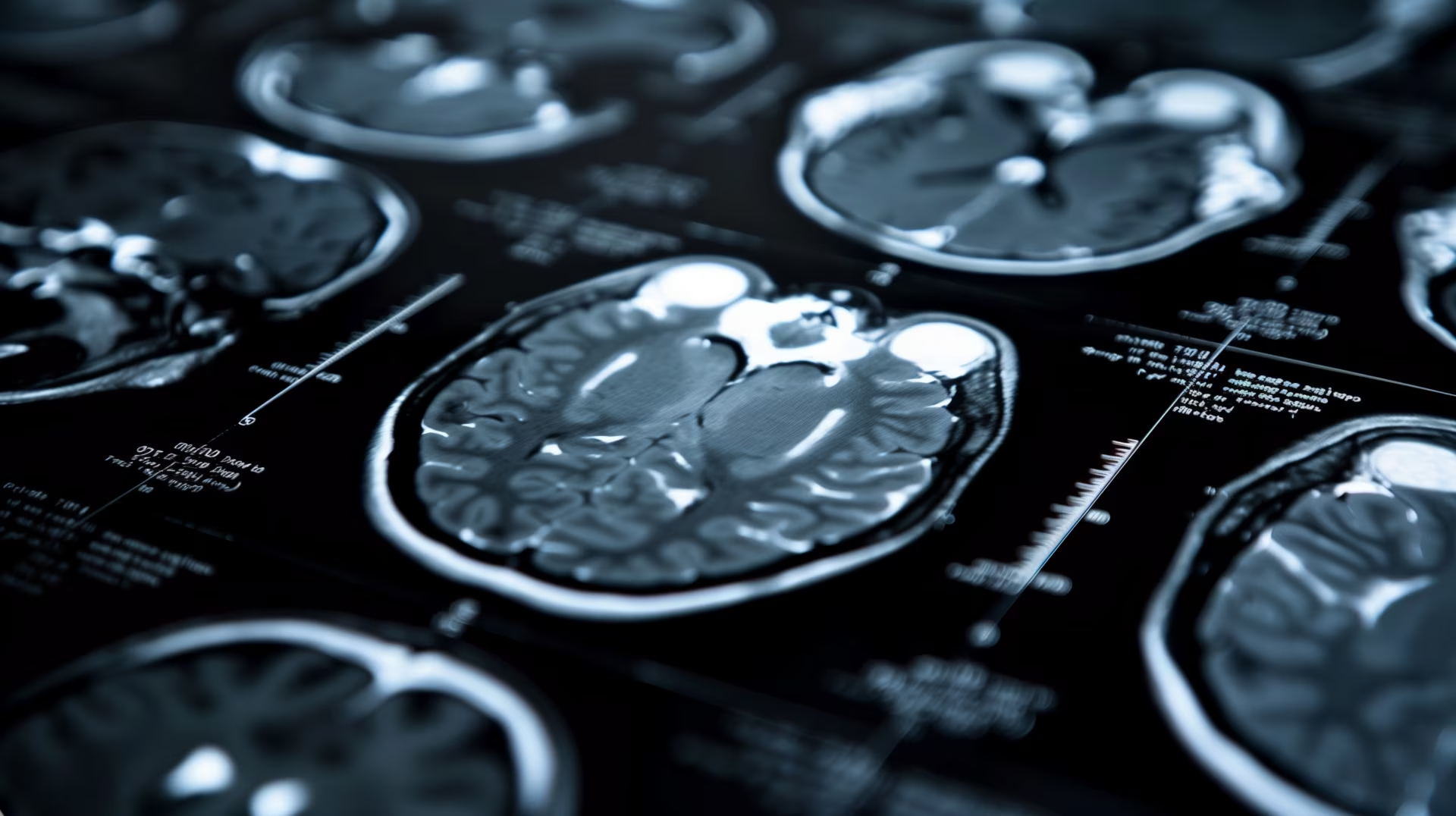
At ECTRIMS 2025, updates to the McDonald diagnostic criteria for multiple sclerosis highlighted the increasing role of MRI, OCT and body-fluid biomarkers in supporting early and accurate diagnosis. We spoke with Dr Marcello Moccia about the criteria’s flexible design, global applicability, and how multimodal approaches could improve prognostication and treatment selection.

Explore key updates to the McDonald criteria for diagnosing multiple sclerosis and how they aim to improve early, accurate diagnosis. An article prepared in collaboration with the National MS Society.

Diabetic striatopathy (DS) is a rare hyperglycaemic condition associated with one or both of the following criteria: (1) acute-onset chorea–ballism (random, flowing and nonsuppressible involuntary movements) and (2) striatal hyperdensity on computed tomography (CT) scan or T1-weighted magnetic resonance imaging (...

Data from the REFORM trial (NCT04674020) provide valuable insights into cortical inflammation in adults with migraines, using a novel quantitative, multimodal MRI technique to compare these patients with age- and gender-matched healthy controls, enhancing our understanding of migraine biology and other headache disorders. The discussion also covers cluster headaches, focusing on a study that examines premonitory symptoms in affected individuals and highlights key phenotypic characteristics. Additionally, we explore findings from the European Migraine & Headache Alliance on the stigma surrounding migraines, which yield insightful and actionable results. Looking ahead, the focus shifts to the latest data on new medications for preventing and treating migraine attacks, discussing future prospects and identifying areas in headache disorder management that still need further attention.
Neuromyelitis optica spectrum disorders (NMOSD) are a group of relapsing autoimmune diseases of the central nervous system. The clinical hallmarks of NMOSD are myelitis and optic neuritis; however, a wider clinical spectrum has been recognized.1 The majority of patients with ...
Neuromyelitis optica spectrum disorder (NMOSD) is a rare inflammatory autoimmune disease of the central nervous system (CNS) with a worldwide distribution.1 The first clinical description of NMOSD was made a century ago by Devic and Gault, who documented patients with ...
Case study Patient information A 42-year-old woman presented in the emergency department with acute onset whole-body myoclonic jerks for 1 day. On enquiry, the patient’s parents advised that she had a history of depression over the past 15 years. Intermittently, family ...
Multiple sclerosis (MS) is a chronic, immune-mediated disorder of the central nervous system characterized by inflammation, demyelination and neurodegeneration. Natalizumab is a widely used anti-α4 integrin inhibitor for treating highly active MS. In the pivotal trials of natalizumab for MS, ...
Highlights Limb–joint contractures may represent an important clinical clue of muscle dystrophies, as they limit the spectrum of the diagnosis assumptions. Limb–girdle muscular dystrophies phenotype can rarely be a clinical presentation of retractile myopathies, except for non-specific Achilles ...
Acute disseminated encephalomyelitis (ADEM), first characterized in 1931,1 is a non-specific clinical syndrome of polyfocal central nervous system (CNS) inflammatory demyelination; it is characterized by encephalopathy and large, poorly demarcated cerebral white matter lesions.2,3 Myelin oligodendrocyte glycoprotein (MOG) antibody-associated disease (MOGAD), ...
Gastroesophageal reflux disease (GERD) is a chronic condition affecting over 750 million people globally.1 The disease causes acid from the stomach to reflux into the oesophagus, leading to epigastric discomfort, cough, sore throat and chest pain.1 Left untreated, this disease can ...
Over the past two decades, monoclonal antibodies targeting the surface antigen CD20 have emerged as highly effective disease-modifying therapies (DMTs) for multiple sclerosis (MS).1 The major mechanism of action of these therapies is via B-cell depletion, as CD20 is expressed ...
Log into your Touch Account
Keep track of your clinical interests and newsletter subscriptions.
Sign up with an Email
Or use a .
Register now for FREE access
Already registered? Login below.
