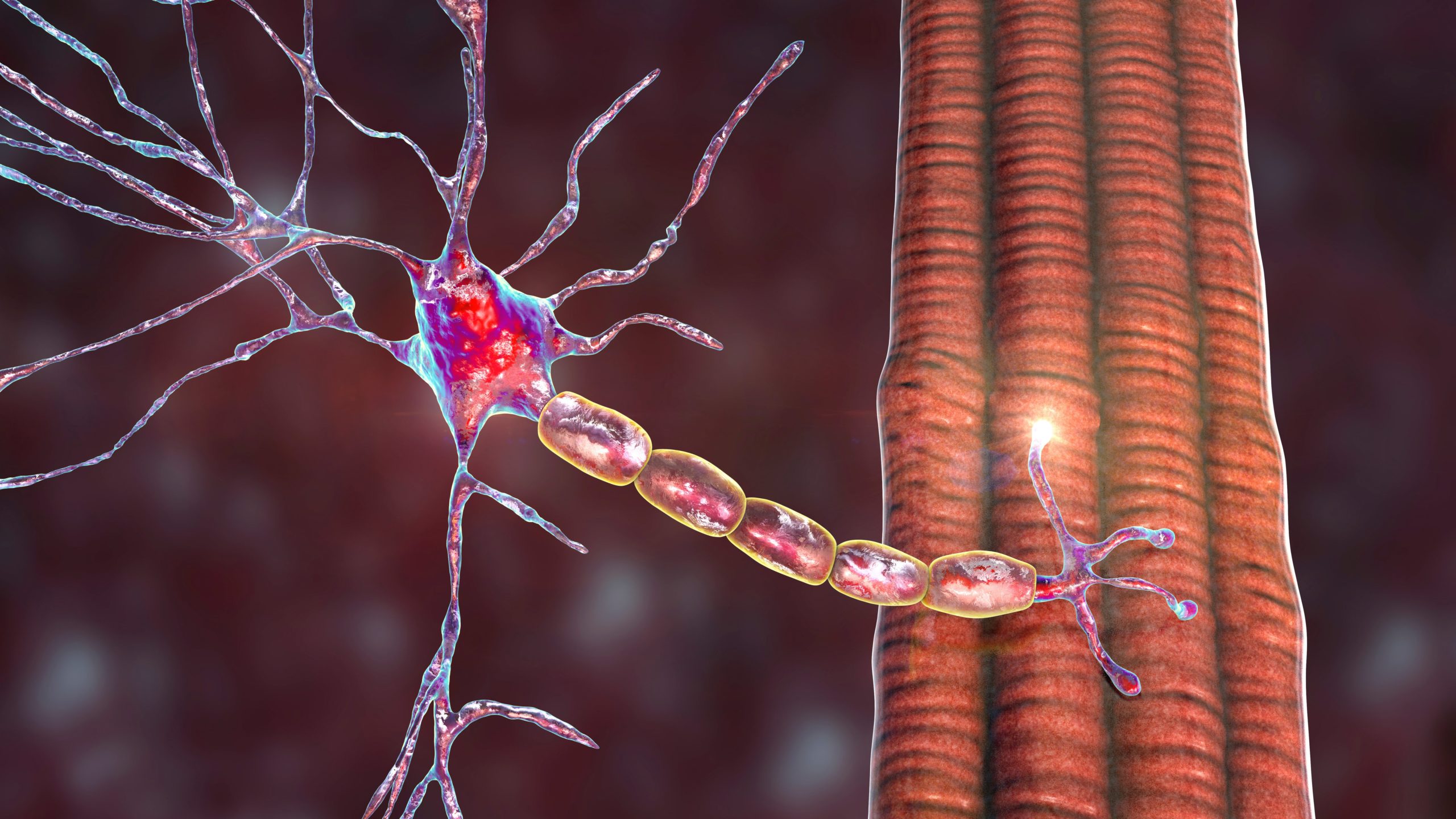
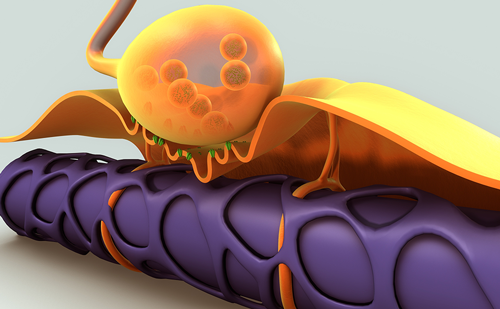
Spinal muscular atrophy (SMA, 5q-SMA) is a rare autosomal recessive neuromuscular disease characterized by progressive muscle weakness and atrophy resulting from degeneration of lower motor neurons located in the anterior horn of the spinal cord and specific brainstem nuclei.1 It is caused by biallelic deletions or variants in the survival (of) motor neuron 1 (SMN1) gene on chromosome 5q, leading to a deficiency of SMN protein.2 SMN protein is essential for motor neuron maintenance. SMN2 is a nearly identical paralog of SMN1 that primarily produces a truncated and unstable protein isoform (SMNΔ7) due to alternative splicing and exon 7 skipping, although approximately 10% of transcripts produce full-length, functional SMN.3 SMN2 copy number is inversely correlated with clinical severity and generally corresponds to the SMA clinical subtype.3
SMA encompasses a broad clinical spectrum, ranging from the most severe (type 0) to adult-onset disease (type 4). Historically, SMA was considered incurable, and management focused largely on palliation of disease burden. A 2012 Cochrane review evaluating SMA therapies included six clinical trials investigating creatine, phenylbutyrate, gabapentin, thyrotropin-releasing hormone, valproate and acetyl-L-carnitine.4 None demonstrated significant improvement in SMA outcome measures. Beginning in 2016, however, novel therapies received regulatory approval and substantially altered the disease trajectory.5,6 The success of clinical trials and subsequent approvals of nusinersen, risdiplam and onasemnogene abeparvovec-xioi (OA) have revolutionized the treatment landscape for patients with SMA.
Over the past decade, the success of disease-modifying therapies has driven a rapid expansion of newborn screening, which is now implemented across all 50 U.S. states and in many countries worldwide.7,8 Earlier diagnosis enables earlier treatment initiation, which is critical for preserving motor neurons and improving strength, functional outcomes and attainment of motor milestones, allowing motor development to approach typical trajectories as closely as possible. This article summarizes the key therapeutic developments and clinical trials of the past two decades that have defined the path toward effective treatment of SMA. It also discusses current limitations of available therapies, potential opportunities for combination treatment strategies and the evolving pipeline of novel therapeutic approaches under investigation.
Nontargeted therapeutic trials
Earlier therapeutic development in SMA focused on repurposing medications with existing regulatory approvals for other indications to determine whether they could improve motor neuron function in patients with SMA. Multiple molecular pathways and therapeutic targets were explored, although with limited clinical success. Table 1 (edited with artificial intelligence – Claude 2026) provides an overview of most therapeutic targets that have been studied in SMA.2,9–32
Table 1: Summary of spinal muscular atrophy therapeutic trials2,9–32
| Trial/study | Intervention | Mechanism of action | Population | Primary endpoint/key result |
| Targeted disease-modifying therapies: Approved and pivotal trials | ||||
| ENDEAR (Finkel et al., 2017)21 | Nusinersen | Intrathecal antisense oligonucleotide | SMA type 1 (symptomatic infants) | Significantly improved motor milestone response and event-free survival versus sham; established first-approved DMT for SMA |
| CHERISH (Mercuri et al., 2018)20 | Nusinersen | Intrathecal antisense oligonucleotide | SMA type 2/3 (later onset; ages 2–12 years) | Significant improvement in motor function (HFMSE) versus sham; confirmed efficacy in later-onset SMA; supported expanded indication |
| NURTURE (De Vivo et al., 2019)22 | Nusinersen | Intrathecal antisense oligonucleotide | Presymptomatic SMA (neonates) | Near-normal motor development; majority achieved independent walking; established benefit of treatment before symptom onset |
| DEVOTE (Finkel et al., 2026)23 | High-dose nusinersen (50 mg/28 mg) | Intrathecal antisense oligonucleotide (higher-dose regimen) | SMA (broad-spectrum; treatment-naïve and nusinersen-experienced) | Significantly improved motor outcomes versus standard-dose/sham comparators; more rapid slowing of neurodegeneration (neurofilament light chain) |
| FIREFISH (Baranello et al., 2021)24 | Risdiplam | Oral SMN2 splicing modifier | SMA type 1 (symptomatic infants) | Improved survival without permanent ventilation; meaningful motor milestone gains versus historical controls |
| SUNFISH (Mercuri et al., 2022)2 | Risdiplam | Oral SMN2 splicing modifier | Nonambulant SMA type 2/3 (ages 2–25 years) | Significant improvement in motor function (MFM32) versus placebo; confirmed efficacy and safety across broader age range |
| RAINBOWFISH (Finkel et al., 2025)25 | Risdiplam | Oral SMN2 splicing modifier | Presymptomatic/neonatal SMA | Near-normal motor development in neonates; most achieved sitting, standing and walking; supports treatment initiation at/before symptom onset |
| STR1VE-USA/STR1VE-EU (Day et al., 2021; Mercuri et al., 2021)26,27 | OA (intravenous) | AAV9 SMN1 gene replacement therapy (intravenous) | SMA type 1 (symptomatic; <2 years) | Majority achieved independent sitting; significantly improved survival versus natural history; single-dose treatment |
| SPR1NT | OA (intravenous) | AAV9 SMN1 gene replacement therapy (intravenous) | Presymptomatic SMA (neonates ≤6 weeks) | All infants achieved near-normal motor milestones, including independent walking; confirmed dramatic benefit of presymptomatic gene therapy |
| STEER (Proud et al., 2025)28 | OA (intrathecal) | AAV9 SMN1 gene replacement therapy (intrathecal) | Treatment-naive SMA type 2/3 (ages 2 to <18 years) | Primary endpoint met: significant improvement in HFMSE versus sham; adverse events similar between groups |
| STRENGTH | OA (intrathecal) | AAV9 SMN1 gene-replacement therapy (intrathecal) | Treatment-experienced SMA type 2/3 who discontinued nusinersen or risdiplam (ages 2 to <18 years) | Favorable safety/tolerability consistent with treatment-naive data; motor function stabilized; most patients maintained or gained motor milestones |
| Nontargeted therapeutic trials | ||||
| Pane et al., 2008; Tiziano et al., 20199,10 | Salbutamol (albuterol) | β2-adrenergic agonist | SMA type 2/3 | Increased SMN2 full-length transcript levels; motor improvement in exploratory analyses; functional benefit on primary outcomes unclear |
| Mercuri et al., 200711 | Phenylbutyrate | HDAC inhibitor | SMA type 2/3 (children) | No significant benefit on motor function versus placebo; treatment ineffective at the regimen tested |
| Bonanno et al., 202212 | Amifampridine (3,4-DAP) | Presynaptic NMJ K⁺ channel blocker | Ambulatory SMA type 3 | Significant improvement in motor function versus placebo; supports its role as a symptomatic, NMJ-targeting add-on therapy |
| Chiriboga et al., 202013 | Dalfampridine-ER | Voltage-gated K⁺ channel blocker | Ambulatory adult SMA type 3 | No significant improvement in ambulation or motor function; drug well tolerated |
| Rudnicki et al., 202114 | Reldesemtiv (CK-2127107) | Fast skeletal muscle troponin activator | SMA types 2–4 (≥12 years) | Signal of benefit in 6 min walk distance at higher dose; no definitive efficacy conclusion; further study indicated |
| SMA CARNI-VAL (Swoboda et al., 2010; Kissel et al., 2011)15,16 | Valproic acid + L-carnitine | HDAC inhibitor + mitochondrial cofactor | SMA type 2/3 (nonambulant and ambulant children) | No meaningful benefit on motor function in either cohort; valproic acid not effective for improving strength or function in SMA |
| Russman et al., 200317 | Riluzole | Glutamate release inhibitor | SMA type 1 (infants) | Safe and tolerable; insufficient power to demonstrate benefit; further study recommended |
| Bertini et al., 201718 | Olesoxime (TRO19622) | Mitochondrial permeability transition pore modulator | SMA type 2 and nonambulant type 3 | Primary endpoint not met; trend toward maintained motor function versus placebo-group decline; development discontinued |
| SPACE trial (Stam et al., 2022)19 | Pyridostigmine bromide | Acetylcholinesterase inhibitor | SMA types 2–4 (≥12 years) | Primary motor endpoints not met; suggestive reduction in self-reported fatigability; larger trial warranted |
| Comparative effectiveness and treatment-transition studies | ||||
| Comparison study | OA versus risdiplam versus nusinersen | Comparative effectiveness (no novel agent) | SMA types 1–2 (pooled; 57 studies) | OA associated with highest survival rate in indirect comparison, followed by risdiplam, then nusinersen; substantial study heterogeneity limits direct conclusions |
| Ropars et al., 202529 | OA versus nusinersen (first-line) | Comparative effectiveness (no novel agent) | SMA type 1 (matched cohort, French National SMA Registry) | OA associated with lower incidence of unsatisfactory clinical response and less respiratory/nutritional support; motor outcome trajectories similar between groups |
| Neuhoff et al., 202630 | Nusinersen versus risdiplam | Comparative effectiveness (no novel agent) | Adults with SMA (matched pairs; single center) | No significant difference in motor outcomes between nusinersen and risdiplam over ~3 years; both associated with comparable functional stabilization |
| Ashrafi et al., 202431 | Risdiplam versus nusinersen | Comparative effectiveness (no novel agent) | SMA types 2 and 3 (real-world; multicenter) | No clinically meaningful difference in motor outcomes between agents; comparable functional stabilization in types 2 and 3 SMA |
| RESPOND (Proud et al., 2025)28 | Nusinersen add-on post-OA | Intrathecal antisense oligonucleotide | Infants/children with SMA with suboptimal response post-OA (≤36 months) | Improvements in motor milestones and neurofilament biomarkers after nusinersen add-on; supports combination approach in patients suboptimally responding to OA |
| Comparsion study | OA + risdiplam or OA + nusinersen | Combined SMN1 replacement + SMN2 splicing modification | SMA type 1 (post-OA; case series) | Motor function generally stable or improved; combination well tolerated; optimal patient selection, timing and dosing not yet established |
| Emerging and investigational therapies | ||||
| Salanersen/BIIB115 | Salanersen (BIIB115) | Next-generation intrathecal antisense oligonucleotide (once-yearly dosing) | SMA (children with suboptimal response post-OA; phase Ib); phase III (STELLAR-1, STELLAR-2, SOLAR) initiated 2026 | Clinically meaningful motor function improvement and slowed neurodegeneration in children post-OA; FDA Breakthrough Therapy Designation granted; phase III studies enrolling |
| SAPPHIRE | Apitegromab | Antimyostatin monoclonal antibody (intravenous) | Nonambulant SMA type 2/3 on background SMN therapy | Primary endpoint met: significant improvement in motor function (HFMSE) versus placebo as add-on to SoC; first muscle-targeted agent to succeed in a pivotal SMA trial; FDA review on-going (PDUFA September 2026) |
| RESILIENT | Taldefgrobep alfa | Antimyostatin recombinant adnectin (subcutaneous) | SMA ages 4–21 years on background SMN therapy | Primary endpoint not met (MFM32 at 48 weeks); clinically meaningful improvements observed; not currently pending regulatory approval for SMA |
| OPAL (phase 2, NCT07047144) | Apitegromab | Antimyostatin monoclonal antibody (intravenous) | Infants/toddlers aged <2 years with SMA; post-gene therapy or on SMN therapy | Phase II OPAL study enrolling; evaluating apitegromab in the youngest patients with SMA; results pending |
| NMD670 | NMD670 | Skeletal muscle ClC-1 inhibitor (oral) | SMA (all types; phase II dose-finding) | Improved neuromuscular transmission in early studies; dose optimization on-going; intended as symptomatic add-on |
| RAINBOWFISH prenatal extension (Finkel et al., 2025)32 | Risdiplam, prenatal/neonatal | Oral SMN2 splicing modifier | Prenatally or neonatally diagnosed SMA | Superior motor development versus natural history; formal prenatal trial on-going; supports extending the treatment window to the prenatal period |
AAV9 = adeno-associated virus serotype 9; ClC-1 = chloride channel 1; 3,4-DAP = 3,4-diaminopyridine; DMT = disease-modifying therapy; ER = extended release; FDA = Food and Drug Administration; HDAC = histone deacetylase; HFMSE = Hammersmith Functional Motor Scale-Expanded; K+ = potassium; MFM32 = Motor Function Measure 32; NMJ = neuromuscular junction; OA = onasemnogene abeparvovec; PDUFA = Prescription Drug User Fee Act; SMA = spinal muscular atrophy; SMN = survival motor neuron; SoC = standard of care.
Salbutamol is a β2-adrenergic receptor agonist commonly used, alongside oral albuterol, for the treatment of asthma, congenital myasthenic syndrome and certain congenital myopathies.33–35 It has been proposed to increase SMN protein levels through upregulation of SMN2 expression and reduction of ubiquitin-mediated SMN degradation. Early studies demonstrated an acceptable safety profile; however, randomized controlled trials are needed to establish clinical efficacy.9,10,36 A 2025 systematic review and meta-analysis found that salbutamol was associated with improvements in motor and respiratory function, with a favorable safety profile, although the included studies were small and heterogeneous.33 There are indications that salbutamol may be beneficial for patients with SMA; however, the data are limited to small, heterogeneous exploratory studies, and future randomized clinical trials are needed prior to clinical adoption. Phenylbutyrate was initially shown to increase SMN protein levels.37 Pilot clinical trials suggested potential improvements in functional motor scales, but subsequent randomized trials demonstrated no significant benefit compared with placebo.11,38
Amifampridine (3,4-diaminopyridine) is thought to prolong presynaptic depolarization at the neuromuscular junction (NMJ), thereby enhancing neuromuscular transmission.12 It was studied in ambulatory patients with type 3 SMA, with small studies suggesting possible improvement in motor outcomes. However, a separate study of dalfampridine (4-aminopyridine, a related compound) in a similar population did not show significant benefit.13 Reldesemtiv, a fast skeletal muscle troponin activator, was evaluated in a phase 2 trial in patients with SMA.14 Early data suggested possible improvements in ambulation and respiratory function, although larger trials are needed to validate these findings. Valproic acid was studied in both children and adults with SMA and did not demonstrate significant improvement in strength or function outcomes.39,40 Combination therapy with L-carnitine and valproic acid was also ineffective in improving survival in children with SMA.15,16,41 A 2019 systematic review and meta-analysis reported that valproic acid improved gross motor function with a favorable safety profile, although the benefit was limited and inconsistent across studies.42
Riluzole, a glutamate release inhibitor, was evaluated as a potential neuroprotective therapy aimed at reducing anterior horn cell death, similar to its use in amyotrophic lateral sclerosis.17 It was shown to be safe and tolerable, although studies were limited by small sample sizes and further investigation was recommended. Olesoxime, developed as a neuroprotective agent, was tested in patients with type 2 and type 3 SMA in a phase 2 trial.18 Although it demonstrated an acceptable safety profile, it did not meet primary motor function endpoints. Long-term follow-up studies demonstrated continued safety with modest, nonsignificant motor function improvements.43
Pyridostigmine, an acetylcholinesterase inhibitor approved for myasthenia gravis, acts at the NMJ to reduce acetylcholine breakdown and enhance neuromuscular transmission. A pilot study in patients with SMA types 2 and 3 found improved low-threshold motor unit function during endurance tasks with pyridostigmine.44 In a subsequent randomized study of 35 Dutch patients with SMA types 2, 3 and 4, 74% reported improved endurance, with corresponding gains on endurance testing, and the drug was safe and well tolerated.19 Further studies are needed to better understand the role of pyridostigmine in patients with SMA, as primary endpoints were not met and only a suggestive reduction in self-reported fatigability was seen.
Additional drugs studied in SMA without demonstrating significant clinical benefit include albuterol, gabapentin, hydroxyurea and somatotropin.45–49
Targeted disease-modifying therapies
Nusinersen
Nusinersen is an antisense oligonucleotide that binds SMN2 pre-mRNA and modifies splicing to increase production of full-length SMN protein.3 It was the first disease-modifying therapy for SMA, approved by the US Food and Drug Administration (FDA) in 2016 and by the European Medicines Agency (EMA) in 2017. It is administered intrathecally via lumbar puncture.50 Common lumbar puncture-related adverse events include headache, back pain and post-lumbar puncture syndrome, which occurs more frequently in older children and with larger-gauge needles. To reduce the need for repeated lumbar punctures, alternative delivery approaches, including subcutaneous port systems and hemilaminectomy, have been explored and shown to be feasible, although complications such as cerebrospinal fluid (CSF) leak requiring intervention have been reported.51 Low-dose CT (computed tomography) guided and ultrasound-assisted approaches have also been used to improve procedural safety and reduce complications.52,53
Two pivotal phase 3 randomized clinical trials, ENDEAR and CHERISH, supported regulatory approval of nusinersen.20,21 The ENDEAR trial was a randomized, sham-controlled phase 3 study evaluating nusinersen in 122 infants with SMA type 1. Motor milestone response was assessed using the Hammersmith Infant Neurological Examination-Part 2 (HINE-2). In the interim analysis, 41% of infants treated with nusinersen demonstrated a motor milestone response compared with 0% in the control group (p<0.001), prompting early study termination and regulatory approval. In the final analysis, 51% of infants treated with nusinersen achieved a motor milestone response, again compared with 0% of controls. Event-free survival and overall survival significantly improved with nusinersen. The CHERISH trial evaluated nusinersen in 126 children with later-onset SMA. From baseline to month 15, the least-squares mean Hammersmith Functional Motor Scale-Expanded (HFMSE) score increased by 4.0 points in the nusinersen group and decreased by 1.9 points in the control group, with a significant between-group difference favoring nusinersen. Clinically meaningful motor improvement (≥3-point increase in HFMSE scores) was achieved in 57% of children treated with nusinersen compared with 26% of controls.
The EMBRACE study evaluated nusinersen in patients with infantile- or later-onset SMA who were ineligible for ENDEAR or CHERISH.54 HINE-2 motor milestone responder rates were higher in patients receiving nusinersen (93%) compared with those receiving the sham procedure in part 1 (29%) or those who transitioned from sham to nusinersen in part 2 (83%), supporting a favorable long-term benefit-risk profile.
Additional studies have demonstrated sustained benefit with long-term nusinersen therapy. Follow-up data extending beyond 3 years show improvements in motor function across multiple outcome measures in patients with both infantile- and later-onset SMA.55,56 Nusinersen also demonstrated durable efficacy in presymptomatic infants in the NURTURE trial, with 88% achieving independent walking at a median age of 34.8 months.22 Long-term real-world data further support sustained clinical benefit. A meta-analysis including patients followed for up to 57 months, ranging in age from 13 to 71 years, demonstrated consistent improvements in several motor functional outcomes across 31 studies.57 Additional meta-analyses have similarly demonstrated motor function improvements in adolescent and adult populations with SMA types 2, 3 and 4.58,59
Nusinersen initially attained regulatory approval for a fixed 12 mg dose administered intrathecally. However, questions have emerged regarding whether higher dosing may provide additional clinical benefit, particularly in patients with more severe infantile-onset (type 1) SMA or in those with residual disease activity despite standard dosing. High-dose nusinersen was evaluated in the phase 2/3 DEVOTE clinical trial, which studied a regimen consisting of a 50 mg loading dose followed by 28 mg maintenance dosing.23 The study consisted of three parts (A, B and C). Part A evaluated safety in a small cohort of patients.60 Parts B and C evaluated safety and efficacy in larger patient cohorts. In Part B, treatment-naive patients with infantile- and later-onset SMA received either high-dose or standard-dose nusinersen and were matched with historical sham controls from the ENDEAR and CHERISH trials. Part C evaluated patients who transitioned from standard-dose to high-dose nusinersen.
The DEVOTE trial met its primary endpoint, demonstrating significant improvement in motor function as measured by the Children’s Hospital of Philadelphia Infant Test of Neuromuscular Disorders in treatment-naive infants with infantile-onset SMA (Part B) receiving high-dose nusinersen compared with matched historical sham-treated controls (mean difference of 26.19 points at 6 months, p<0.0001). The study was not powered to demonstrate superiority of high-dose over standard-dose nusinersen in a direct head-to-head comparison. However, several clinically relevant secondary outcomes favored the high-dose regimen. Compared with standard dosing, high-dose nusinersen was associated with greater reductions in plasma neurofilament light chain (NfL), a biomarker of neurodegeneration, a trend toward lower risk of death or permanent ventilation and modestly greater improvements in motor function measures. The safety profile of the high-dose regimen was similar to that of the standard 12 mg dosing regimen. These findings led to its regulatory approval by the FDA and EMA in 2026 and adoption in clinical practice in 2026.
Risdiplam
Risdiplam is an orally administered small molecule with a similar mechanism to that of nusinersen, acting as a SMN2 pre-mRNA splicing modifier that increases the production of functional SMN protein by promoting the inclusion of exon 7 in the transcript. It is administered once daily as an oral liquid or tablet formulation. Risdiplam was approved by the FDA in 2020 and by the EMA in 2021 based on results from the FIREFISH and SUNFISH trials.
The FIREFISH trial evaluated risdiplam in young infants with SMA type 1.24,61 Treatment with risdiplam resulted in significant increases in SMN protein levels. No unexpected treatment-related adverse effects were identified during the study period. By 24 months, infants receiving risdiplam continued to achieve greater motor milestones. Event-free survival (alive and not requiring permanent ventilation) was 85% at 24 months among infants treated with risdiplam.
The SUNFISH trial evaluated risdiplam in patients aged 2–25 years with SMA type 2 or 3.62 No significant treatment-related safety concerns were identified across dosing groups. A dose-dependent increase in SMN protein levels was observed within 4 weeks and was maintained through 24 months in patients receiving the highest dose. Motor function outcomes demonstrated significant improvement at 24 months compared with placebo. Continued improvement from baseline through 24 months suggested the potential for further sustained or progressive benefit with long-term treatment.63 Real-world studies in older patients with SMA have shown clinically meaningful improvement. In a cohort of 57 patients treated with risdiplam, 64% improved on the HFMSE and revised upper limb module (RULM), with greater gains in adults who had higher baseline motor strength.64 A separate cohort of 14 largely treatment-naïve patients, some up to 57 years of age, showed clinically meaningful improvement on at least one motor scale.65 Both cohorts found risdiplam safe and well tolerated.
The RAINBOWFISH trial evaluated presymptomatic patients aged 1–42 days.25 Patients were stratified by SMN2 copy number. Infants with three or four SMN2 copies demonstrated more favorable motor outcomes compared with those with two copies. These data further support the benefit of early treatment initiation and expand the population eligible for risdiplam therapy to include presymptomatic infants identified through newborn screening.
A meta-analysis comparing outcomes across FIREFISH, SUNFISH and RAINBOWFISH suggested that presymptomatic treatment with risdiplam may be associated with improved motor outcomes compared with treatment initiated after symptom onset.66
Onasemnogene abeparvovec
Approved in 2019 by the FDA and EMA in 2020, OA is the first systemically administered gene replacement therapy for a genetic disorder.26 It is an adeno-associated virus serotype 9-based vector that delivers a functional SMN1 transgene to motor neurons. It was initially available via a single intravenous infusion and now also as an intrathecal administration, providing sustained SMN protein expression.67 The therapy received FDA approval in 2019 for pediatric patients under 2 years of age with SMA with an intravenous formulation, and more recently, in 2025, an intrathecal formulation has become available for those aged 2 and older, including adults.68
Pivotal clinical trials demonstrate transformative outcomes in infantile-onset disease. In the STR1VE study, 13 of 22 patients (59%) achieved independent sitting at 18 months of age, a milestone never observed in untreated type 1 SMA natural history cohorts.27 Survival without permanent ventilation at 14 months also had significant gains: 91% versus 26% in the natural history cohort. Long-term data extending several years show sustained motor gains without new requirements for mechanical ventilation, confirming the durability of the single-dose intervention.69,70
The most compelling evidence for early intervention comes from the SPR1NT trial, which treated presymptomatic infants within 6 weeks of birth.71 All enrolled infants with two SMN2 copies, who were predicted to have type 1 SMA, achieved independent sitting, survived without permanent ventilation and required no nutritional or respiratory support, outcomes unprecedented in the natural history of this uniformly fatal condition. Among those with three SMN2 copies, most achieved standing (11 of 14, 79%) and many walked independently (9 of 14, 64% by Bayley criteria), with a substantial proportion reaching these milestones within normal developmental windows. These data underscore the critical importance of newborn screening and immediate treatment initiation.72
The STEER trial evaluated intrathecal OA in children with SMA aged 2 to <18 years who were treatment-naive.68 A total of 75 participants received treatment with a one-time intrathecal gene therapy transfer and 51 received a sham procedure. Participants treated with gene therapy showed a least-squares mean improvement in the HFMSE score of 1.88 points relative to sham (95% CI, 0.51–3.25). Two patients in the treatment arm developed sensory symptoms, one with features suggestive of dorsal root ganglia toxicity; the therapy was otherwise well tolerated, with overall rates of adverse events similar between groups. Intrathecal OA (Itvisma) has since received FDA approval in 2025 and European marketing authorization in 2026.
Important limitations warrant consideration. Even with early intervention, complete normalization of motor development remains elusive for many patients, particularly those predicted to have or symptomatic with type 1 SMA. Many patients treated after the onset of symptoms can have residual deficits.73 The irreversible nature of single-dose gene therapy precludes repeat administration if the response proves inadequate, although combination or sequential therapy with other SMN-targeting agents remains feasible.74
Comparison and transition therapy studies
Despite the transformative impact of disease-modifying therapies, monotherapy may not halt disease progression in all patients, and functional impairments persist in many individuals, particularly those already symptomatic at treatment initiation.28,75 This therapeutic ceiling has prompted investigation of combination and sequential treatment strategies that leverage the distinct mechanisms of currently approved SMN-targeting therapies. Importantly, these therapies do not share overlapping immunologic barriers, making combination approaches feasible from a safety standpoint.
No head-to-head randomized trials have directly compared the three approved therapies, although emerging data are starting to provide comparative insights. A systematic review and meta-analysis including 3,418 patients found that OA demonstrated the highest survival rate, followed by risdiplam and then nusinersen, with motor improvements in that order as well.76 This ranking reflects an indirect comparison across trials rather than head-to-head data and should be interpreted with caution. This meta-analysis has important limitations: these indirect cross-trial comparisons are subject to bias from differences in patient selection and treatment era, and no head-to-head trials have been conducted. However, there was significant heterogeneity in patients who received the therapies, as nusinersen was more likely to be given to patients who were already symptomatic soon after its regulatory approval, years before either OA or risdiplam. Despite this, a comparative effectiveness study from the French National SMA Registry using matched cohorts of children with SMA type 1 found similar motor outcomes between OA and nusinersen, with higher rates of unsatisfactory clinical response (encompassing death, need for additive or sequential disease-modifying therapy, initiation of feeding support and/or failure to achieve independent sitting) among those treated with nusinersen.29 A matched-pair analysis compared adults with SMA treated with nusinersen or risdiplam and found no difference in motor function trajectories between the two groups over nearly 3 years of follow-up.30 A multicenter cohort study retrospectively compared 73 patients treated with risdiplam with 52 patients with nusinersen clinically and found no significant difference in motor function improvement after 3 or 6 months.31
Switching therapies, particularly from nusinersen or risdiplam to OA or from nusinersen to risdiplam, is a common approach in the treatment of patients with SMA.75 The former, in which SMN2 splicing modifiers are used prior to gene therapy, has been shown to be both efficacious and safe.77 The latter, in which there is a transition from one SMN2 modulator to another, has also been shown to be well tolerated, with no consistent evidence of a change in efficacy.78,79
Sequential therapy in the opposite direction, by adding SMN2 splicing modifiers after gene therapy, also shows promise. The phase 4 RESPOND trial evaluated nusinersen in 37 patients with suboptimal response to OA, demonstrating improvements in motor function, NfL levels and compound muscle action potential (CMAP) amplitudes, with no safety concerns identified.28 Similarly, a multicenter case series of 20 children who received risdiplam following OA found that the vast majority showed stability or improvement in motor function, with no significant adverse events.80
Preemptive dual therapy has also been evaluated in presymptomatic infants. Eighteen presymptomatic newborns with two SMN2 copies were treated either with OA alone or dual therapy comprising OA and either risdiplam or nusinersen.81 There was some modest motor benefit, although serial muscle ultrasound did not show significant differences in neurogenic degenerative changes between the groups. At the time of this article and based on the August 2025 final evidence reports and policy recommendations from the Institute for Clinical and Economic Review, there is no clear evidence advocating for the use of dual concurrent treatment with SMN–targeted therapies.
Emerging and investigational therapies
On-going clinical trials in SMA remain critical, as additional therapies are needed for patients with residual disease burden or continued disease progression despite currently available SMN-targeted treatments.
Salanersen
Additional SMN-directed therapies are also under investigation. Salanersen (BIIB115, Biogen), currently being studied in clinical trials (NCT07221669), is an antisense oligonucleotide designed to have a similar mechanism to nusinersen but with the potential to extend dosing intervals from every 4 months to once yearly. Reduced dosing frequency could represent a significant advancement, as repeated intrathecal administration can be technically challenging and uncomfortable in patients with significant spinal deformity.
Myostatin inhibitors
Apitegromab (SRK-015) is a fully human monoclonal antibody that selectively inhibits myostatin activation by binding to inactive myostatin precursors (promyostatin and latent myostatin), thereby preventing cleavage and release of mature, active myostatin, a negative regulator of skeletal muscle growth.82,83 By inhibiting myostatin signaling, apitegromab is hypothesized to increase contractile force within residual innervated muscle fibers, providing additive benefit when combined with SMN-targeted therapies.84 The phase 3 SAPPHIRE trial evaluated apitegromab dosed intravenously every 4 weeks in 188 patients aged 2–21 years with nonambulatory, later-onset (type 2 or type 3) SMA who were already receiving nusinersen or risdiplam. At 12 months, the combined apitegromab dose groups (20 mg/kg and 10 mg/kg) demonstrated a statistically significant improvement in HFMSE scores compared with placebo (1.8 points, p=0.019), whereas the 20 mg/kg dose alone did not reach statistical significance versus placebo. Apitegromab had a favorable safety profile. Apitegromab is currently under regulatory review.
Another myostatin-targeting therapy, taldefgrobep alfa (BHV-2000), is being investigated in a phase 3 clinical trial.85 Taldefgrobep alfa binds active myostatin and inhibits activin receptor type IIB signaling, whereas apitegromab targets precursor (pro- and latent) myostatin forms. Myostatin inhibition is hypothesized to provide additive benefit when combined with SMN-targeted therapies.86
Neuromuscular junction-targeted therapies
NMJ-targeted therapies are also emerging. Adimanebart is a novel agent currently being evaluated in a phase 2 clinical trial (NCT07287982). It is designed to activate muscle-specific kinase, with the goal of stabilizing NMJ structure and function. This approach may help reduce muscle weakness and fatigue and improve patient quality of life.
NMD670 (NMD Pharma, Aarhus, Denmark) is another investigational therapy (NCT05794139) that inhibits skeletal muscle chloride channel 1 (ClC-1). Inhibition of ClC-1 is hypothesized to enhance neuromuscular transmission and improve skeletal muscle contractility and function.
Prenatal therapy
Prenatal therapy represents an emerging frontier with the potential to prevent motor neuron loss before birth, primarily in severe cases where pathology begins in utero.87 Higher gestational age at birth has been associated with worse motor function and reduced CMAP amplitude in newborns with two SMN2 copies, suggesting that even brief additional time in utero may permit further motor neuron degeneration.87 Risdiplam has been used prenatally via transplacental administration in pregnant women, with a single case report demonstrating safety and efficacy, although this approach has not yet achieved widespread adoption.32 However, animal studies have demonstrated teratogenic effects, including embryofetal mortality and fetal malformations at higher doses.88 The teratogenic risk may potentially be mitigated by restricting administration to the third trimester, after organogenesis is complete, although this approach requires further study. Ethical considerations include the requirement for informed consent given unknown long-term fetal risks and the challenge of balancing maternal and fetal interests, although this is an area of significant and growing interest.
Conclusion
The clinical trajectory of patients with SMA has changed dramatically since the regulatory approval of nusinersen a decade ago. The approval of multiple targeted disease-modifying therapies has transformed SMA from a leading cause of infant mortality into a treatable condition, creating new standards of care and new challenges for optimization of outcomes.89
Despite these advances, current SMN-targeted therapies are not curative and significant disease burden exists for many patients. The benefit of these therapies is constrained by the degree of pretreatment neurodegeneration. Furthermore, longitudinal data are beginning to reveal that after initial motor function gains during the first several years of therapy, some patients subsequently demonstrate gradual functional decline despite on-going treatment, emphasizing the persistent unmet therapeutic need.82
Early identification through newborn screening is therefore paramount. Presymptomatic treatment initiation has consistently been shown to preserve motor neuron integrity and prevent the development of irreversible weakness.89 The implementation of newborn screening across all 50 U.S. states and in numerous countries worldwide represents a major public health milestone, although questions remain regarding optimal treatment timing for certain genotypes, particularly those with four or more SMN2 copies who may have milder phenotypes.90
The future of SMA management will likely involve combination and sequential treatment approaches, as monotherapy may prove insufficient to arrest disease progression in all patients. Current SMN-targeted therapies promote motor neuron survival but do not directly address the skeletal muscle atrophy that contributes to on-going functional deficits.82 SMN-independent strategies, such as myostatin inhibition and NMJ stabilization, represent promising avenues for providing benefit alongside existing treatments. Redefined dosing regimens, including high-dose nusinersen and extended-interval formulations, may further enhance therapeutic approaches.
Biomarkers such as plasma NfL concentrations are being investigated to enable more individualized treatment strategies and facilitate monitoring of treatment response. Human samples have the potential to track disease progression and treatment response, including serum studies (serum creatinine and creatine kinase activity) and CSF biomarkers (Aβ42 and glial fibrillary acidic protein).91 Candidate clinical biomarkers include pinch strength, motor unit number estimation on nerve conduction studies and SMA functional rating scales.92 Serum, CSF and clinical biomarkers are essential for long-term assessment of treatment response, particularly in more severely affected adults with SMA who may be unable to perform the traditional motor and functional scales used in clinical trials.
As patient survival continues to improve, previously unrecognized phenotypes and multisystem complications are becoming apparent, highlighting the importance of comprehensive multidisciplinary care and the need for updated clinical practice guidelines.90 The remarkable therapeutic advances achieved in SMA, which span gene discovery, newborn screening implementation and disease-modifying treatment development, may ultimately provide a road-map for addressing other genetic and neurological disorders.