
Neurosurgery
An Introduction to Neurosurgery
Neurosurgery, one of the most innovative, fastest advancing specialties, is broad in that it encompasses surgery of the CNS (brain and spinal cord), as well as peripheral nerves to the entire body. It serves as a tool for both diagnosis and treatment of patients with injury to, or diseases/disorders of the nervous system. Surgical advances continue in areas such as craniotomy, brain and spinal tumours, endovascular procedures, epilepsy, movement disorders, paediatrics, traumatic injuries, ventricular shunts and more.
Browse our gallery of video highlights and short articles from the conference hub, providing latest expert insights from major conferences and peer-reviewed articles from the journal portfolio.
Our supporting partners do not constitute an endorsement of the content on this page.








Highlights from the European Academy of Neurology (EAN) 2026 Congress included new phase 3 data in ocular myasthenia gravis, emerging migraine treatments, longer-term results in multiple sclerosis, and advances in deep brain stimulation for Parkinson’s disease. The 12th Congress of the ...
Meet the future leaders transforming neurology The touchNEUROLOGY Future Leaders 2026 programme recognizes outstanding early- and mid-career clinicians, researchers and scientists who are shaping the future of neurology. Nominated by peers across the global neurology community, these innovators are leading advances ...

Leading experts share their perspectives on the most important therapeutic and treatment updates at AAN 2026 and discuss how these findings may shape the future of neurologic care At American Academy of Neurology (AAN) Annual Meeting, Chicago, IL, USA, April 18–22, 2026, major ...

Emerging data from AAN 2026 across neuroimmunology, epilepsy, neuromuscular disease, movement disorders and neuroinfectious disease highlighted the continued evolution of neurology toward more precise, personalized and mechanism-driven care. The American Academy of Neurology (AAN) Annual Meeting, Chicago, IL, USA, from April 18–22, 2026, ...
In our inaugural touchNEUROLOGY Future Leaders 2025 campaign, we celebrate the next generation of neurologists, rising stars shaping the future of clinical practice, research, and education across neurological specialties.

As touchNEUROLOGY approaches 20 years of providing education for busy neurologists, we are looking to the future—and it certainly looks bright!

Physician burnout is at a critical point. In this episode, Nicky speaks with Dr Alfred Atanda about why so many physicians are burning out and what can be done to change the trend. From personal experience to system-wide solutions, Dr Atanda shares valuable insights on improving physician well-being and building a more effective healthcare culture.

“Your brain thrives on connection; meeting people, interacting and sharing ideas is vital for not only your individual brain health but also our species survival” - Dr Hannah Critchlow Nominated as a touchNEUROLOGY Future Leader 2025, we speak with Dr ...

In this episode, we explore the future of continuing medical education (CME) with the team behind touchIME. Hannah Fisher and Matthew Goodwin share insights into global and US trends, the importance of patient inclusivity and how educational outcomes are evolving to better measure the direct impact of learning on clinical practice and patient care.
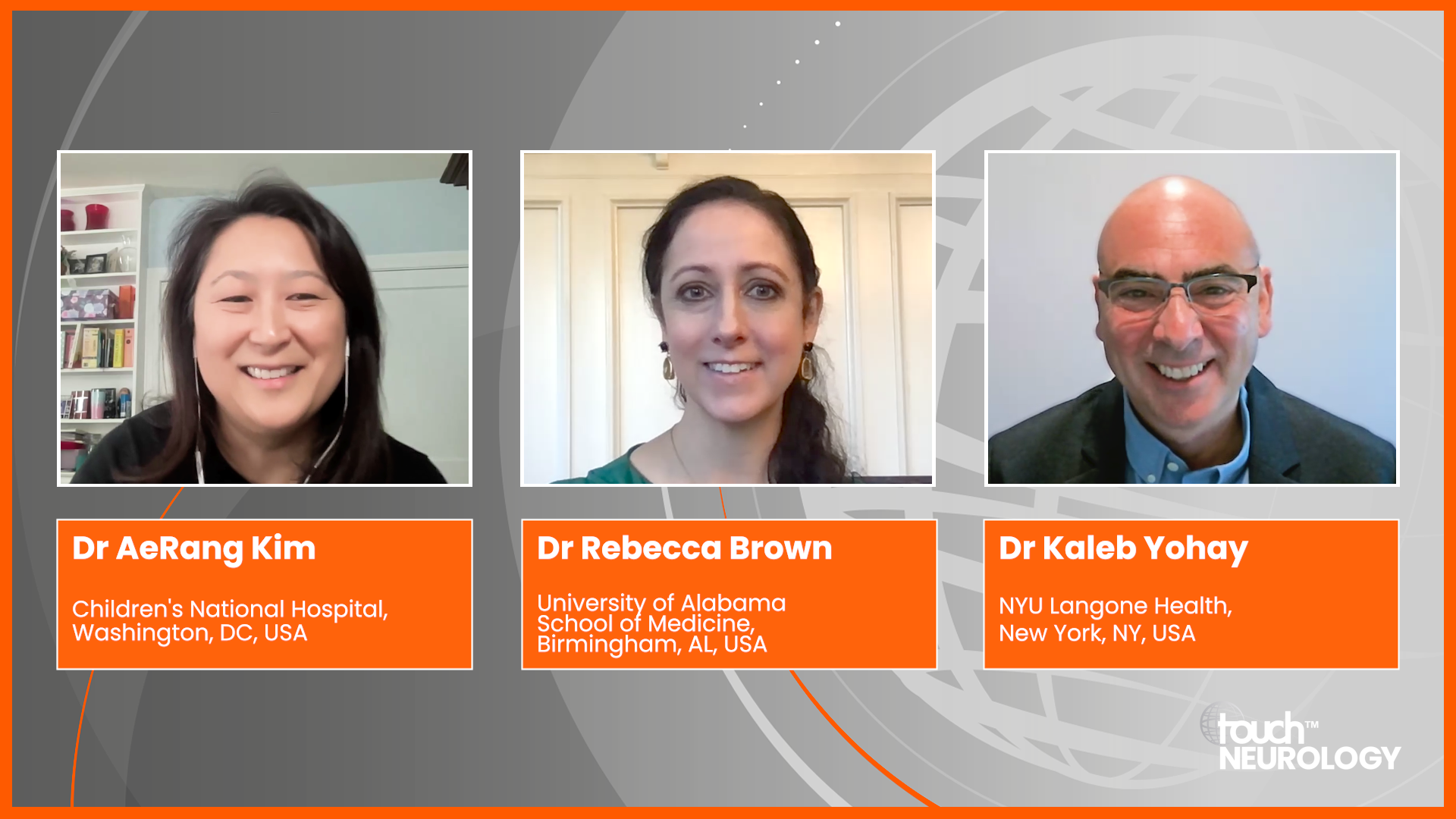

In this episode, we’re joined by Bradley Love, Professor of Cognitive and Decision Sciences at UCL, ELLIS fellow, and creator of BrainGPT. We discuss how this large language model is poised to assist researchers in advancing their work.
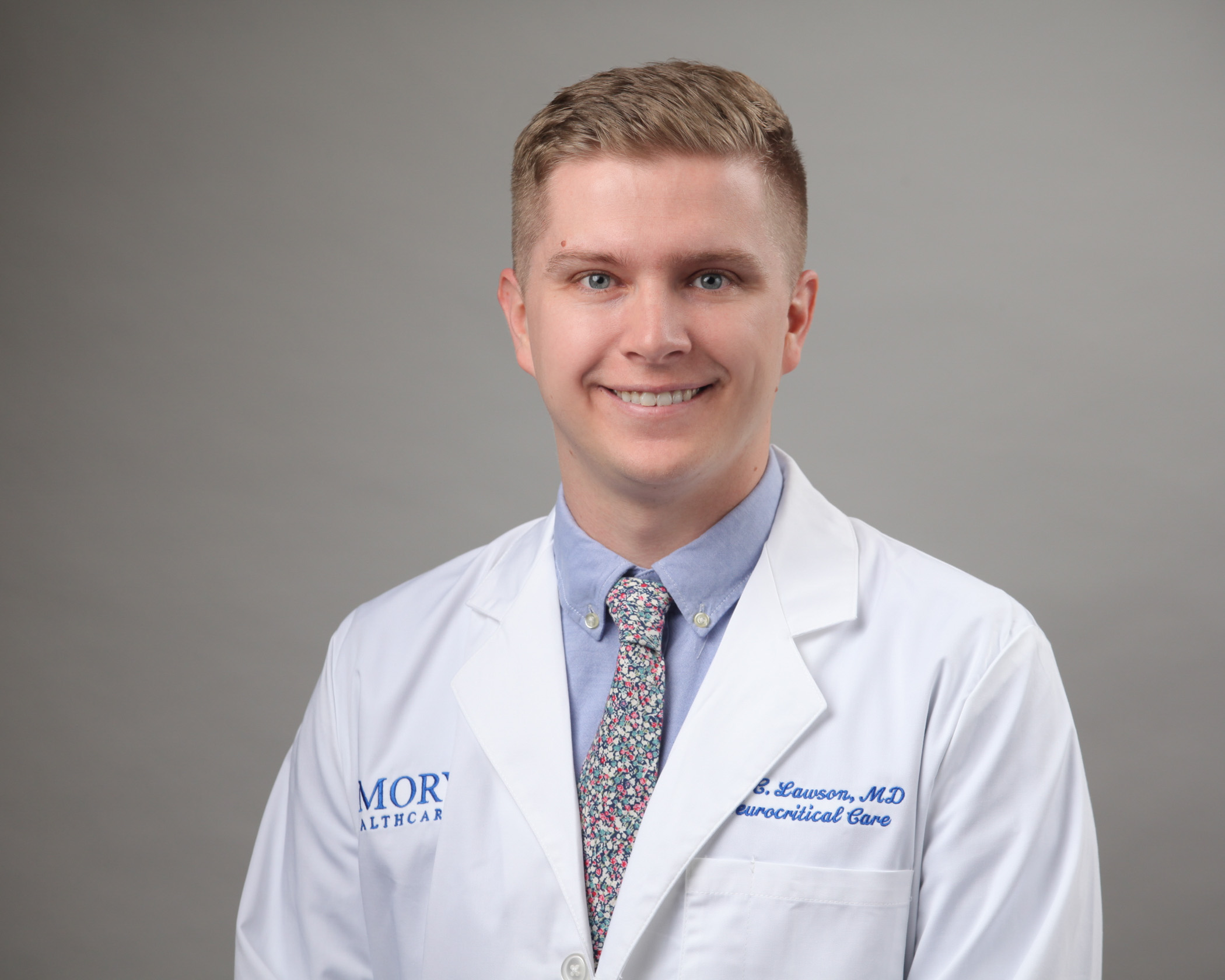
In this insightful Q&A, Dr Lawson shares the inspirations and motivations that led him to pursue a career in neurocritical care, the challenges he faces in this demanding specialty and his vision for the future of the field.




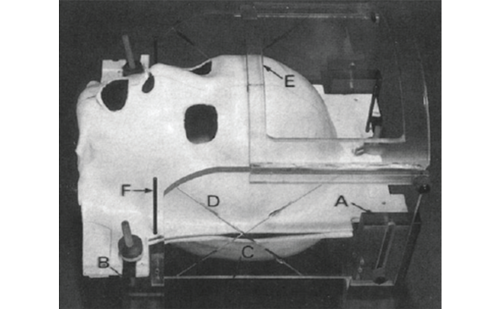
Intracranial radiosurgery, no matter the means or methods of administration, is predicated on a core set of principles, including head immobilization and precise delineation of the treatment target. For some five decades after Leksell introduced the concept of stereotactic radiosurgery ...
Studying cerebrospinal fluid (CSF) is essential for diagnosing many central nervous system (CNS) diseases, including infection, inflammation and malignancy. Lumbar puncture is a relatively safe and routinely performed procedure for extracting CSF.1 In this review, we summarize the essential CSF ...
Infections and their prevention have long been a significant concern for surgeons around the world. Surgical site infections (SSIs) represent a considerable burden for both patients and providers alike, as they often result in significant morbidity and mortality, as well ...
Log into your Touch Account
Keep track of your clinical interests and newsletter subscriptions.
Sign up with an Email
Or use a .
Register now for FREE access
Already registered? Login below.