
Brain Trauma
An Introduction to Brain Trauma
Traumatic brain injury is generally associated with long-term medical, cognitive, emotional and behavioral changes. The treatment pathway is highly dependent on the severity of the trauma, but can follow a surgical, pharmacological and/or rehabilitative pathway. Ongoing research to understand the mechanisms and processes that underlie recovery, and the development of better diagnostic tools, may help to improve patient outcomes.
Browse video highlights and short articles from the conference hub, providing insights into the latest updates from major conferences and peer-reviewed articles from our journal touchREVIEWS in Neurology. This is complimented by a range of educational activities developed in collaboration with our leading expert faculty.
Our supporting partners do not constitute an endorsement of the content on this page.


Highlights from the European Academy of Neurology (EAN) 2026 Congress included new phase 3 data in ocular myasthenia gravis, emerging migraine treatments, longer-term results in multiple sclerosis, and advances in deep brain stimulation for Parkinson’s disease. The 12th Congress of the ...
Meet the future leaders transforming neurology The touchNEUROLOGY Future Leaders 2026 programme recognizes outstanding early- and mid-career clinicians, researchers and scientists who are shaping the future of neurology. Nominated by peers across the global neurology community, these innovators are leading advances ...

Leading experts share their perspectives on the most important therapeutic and treatment updates at AAN 2026 and discuss how these findings may shape the future of neurologic care At American Academy of Neurology (AAN) Annual Meeting, Chicago, IL, USA, April 18–22, 2026, major ...

Emerging data from AAN 2026 across neuroimmunology, epilepsy, neuromuscular disease, movement disorders and neuroinfectious disease highlighted the continued evolution of neurology toward more precise, personalized and mechanism-driven care. The American Academy of Neurology (AAN) Annual Meeting, Chicago, IL, USA, from April 18–22, 2026, ...
In our inaugural touchNEUROLOGY Future Leaders 2025 campaign, we celebrate the next generation of neurologists, rising stars shaping the future of clinical practice, research, and education across neurological specialties.

In this episode of Visionary Voices, we welcome Associate Professor Grace Vincent from CQUniversity’s Appleton Institute. A leading expert on sleep and shift work, Grace explores how disrupted sleep affects physician health in both the short and long term, as well as its impact on safety and performance. We also discuss what this means for patient outcomes and share practical strategies to manage sleep loss.

As touchNEUROLOGY approaches 20 years of providing education for busy neurologists, we are looking to the future—and it certainly looks bright!

Physician burnout is at a critical point. In this episode, Nicky speaks with Dr Alfred Atanda about why so many physicians are burning out and what can be done to change the trend. From personal experience to system-wide solutions, Dr Atanda shares valuable insights on improving physician well-being and building a more effective healthcare culture.

What if your medical degree could launch more than a clinical career? In this candid and compelling read, Dr Jon Edelson shares his lessons for early-career clinicians ready to think beyond the bedside and explore the business of medicine.
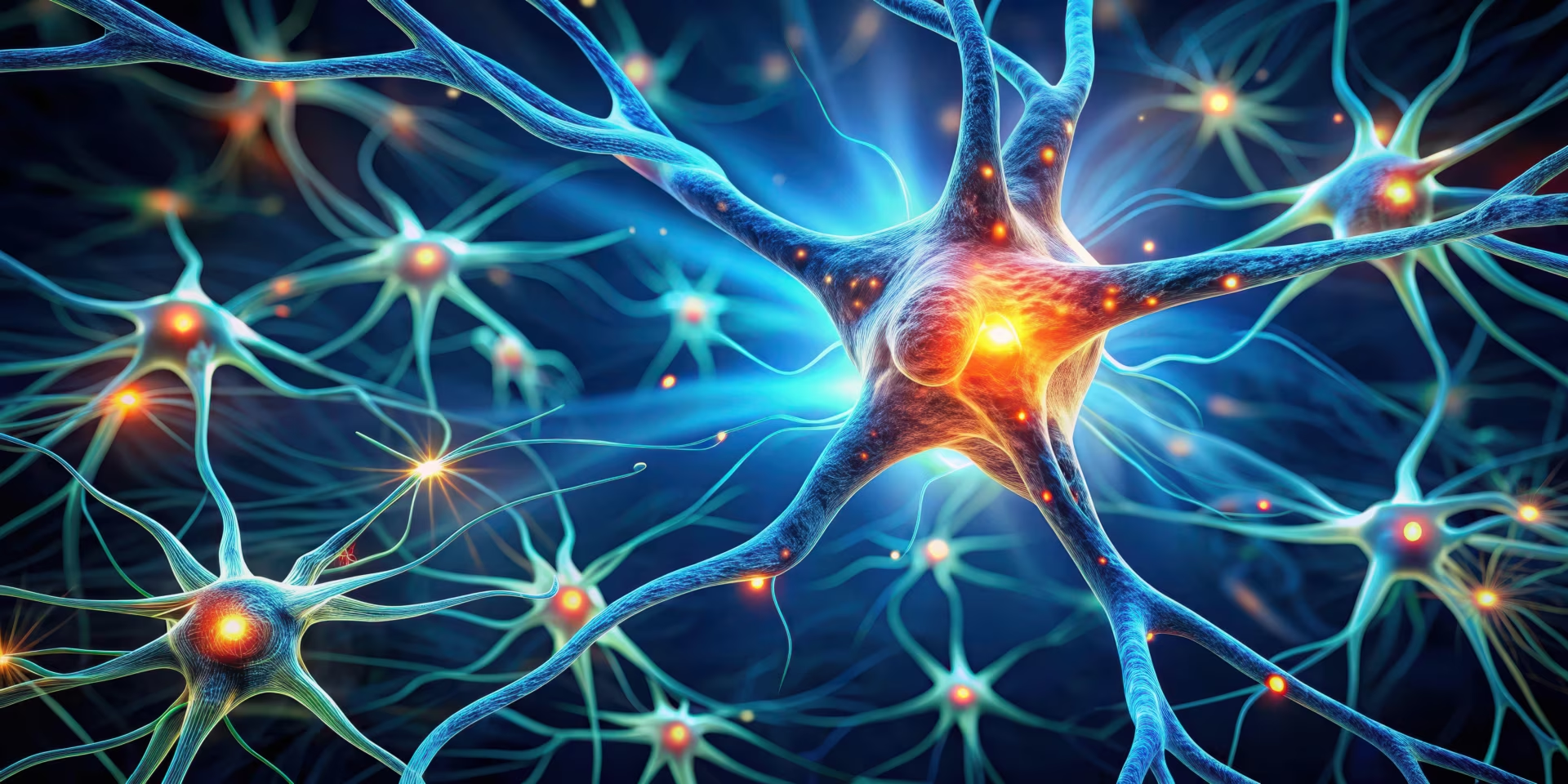
Amyotrophic lateral sclerosis (ALS) is a neurodegenerative disorder of upper and lower motor neurons that results in progressive motor impairment. ALS is the most common disease of motor neurons with an annual incidence of approximately 1.7–2.5 per 100,000 people. It is a ...

In this episode, we explore the future of continuing medical education (CME) with the team behind touchIME. Hannah Fisher and Matthew Goodwin share insights into global and US trends, the importance of patient inclusivity and how educational outcomes are evolving to better measure the direct impact of learning on clinical practice and patient care.

In this episode, we’re joined by Bradley Love, Professor of Cognitive and Decision Sciences at UCL, ELLIS fellow, and creator of BrainGPT. We discuss how this large language model is poised to assist researchers in advancing their work.
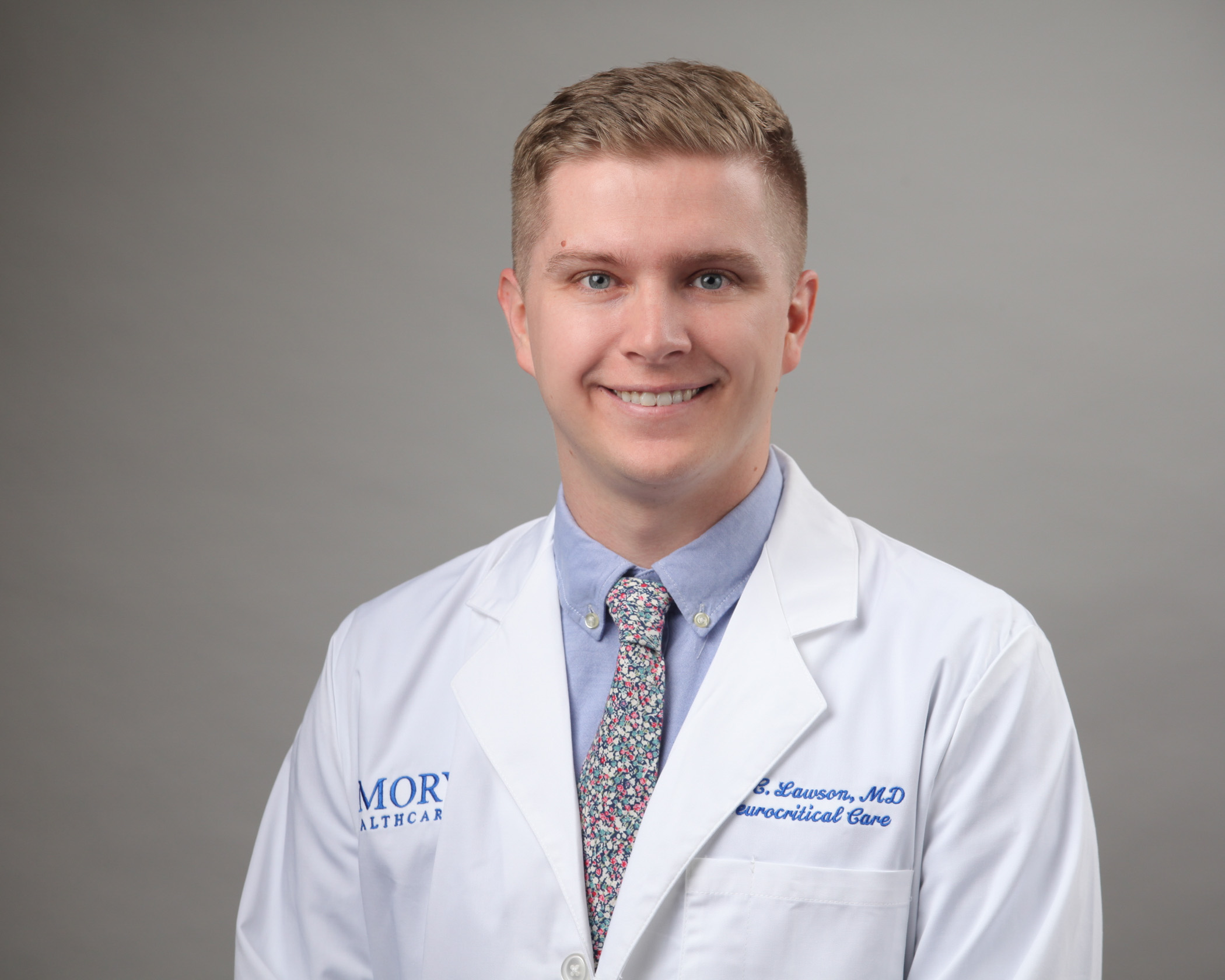
In this insightful Q&A, Dr Lawson shares the inspirations and motivations that led him to pursue a career in neurocritical care, the challenges he faces in this demanding specialty and his vision for the future of the field.







Welcome to the latest edition of European Neurological Review, which features a wide range of articles of interest to neurologists and other practitioners involved in the care of patients with neurological illness. As we move into a new decade, the ...
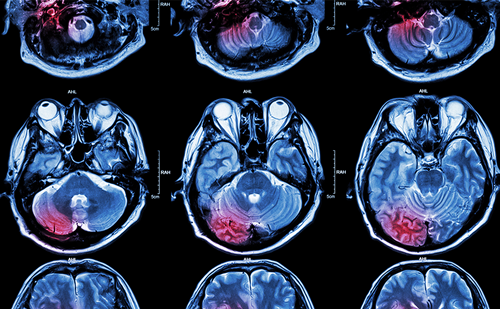
This year, the Alzheimer’s Association International Conference (AAIC) took place in Chicago, IL, US, July 22–26, 2018. During this major annual international meeting dedicated to the advancement of Alzheimer’s disease (AD) and dementia science, an impressive array of the ...

Welcome to the spring edition of US Neurology, which features a range of articles that have been chosen for their evaluation of current practices and research that directly affect neurologists and other practitioners involved in the care of patients with ...
“Insanity is doing the same thing over and over again and expecting different results.” Though the quote appears to be misattributed to Albert Einstein, its prudence is undeniable.1 CLEAR III (NCT00784134) provides ample evidence that this axiom has useful wisdom ...
Log into your Touch Account
Keep track of your clinical interests and newsletter subscriptions.
Sign up with an Email
Or use a .
Register now for FREE access
Already registered? Login below.