
Alzheimer's Disease and Dementia
An Introduction to Alzheimer's Disease and Dementia
Major advances in the understanding of the pathogenesis of Alzheimer’s disease (AD), the most common form of dementia, have occurred over recent years, but the need for truly disease-modifying therapies remains. Novel pharmacotherapy strategies under investigation include the repurposing of medications used to treat non-AD illnesses and multi-target-directed ligands, offering promise in this challenging treatment landscape.
Browse video highlights and short articles from the conference hub, providing insights into the latest updates from major conferences and peer-reviewed articles from our journal touchREVIEWS in Neurology. This is complimented by a range of educational activities developed in collaboration with our leading expert faculty.
Our supporting partners do not constitute an endorsement of the content on this page.



Phase 2 LiBBY study highlights the potential of cannabinoid therapy to improve agitation and quality of life in hospice-eligible patients with dementia. At the Alzheimer's Association International Conference (AAIC) 2026, Dr Jacobo Mintzer (Department of Psychiatry and Behavioral Sciences, Medical University of ...

Highlights from the European Academy of Neurology (EAN) 2026 Congress included new phase 3 data in ocular myasthenia gravis, emerging migraine treatments, longer-term results in multiple sclerosis, and advances in deep brain stimulation for Parkinson’s disease. The 12th Congress of the ...

Leading Alzheimer's disease experts share the therapeutic and research developments they believe had the greatest potential to transform diagnosis, treatment and prevention at the Alzheimer's Association International Conference (AAIC) 2026. The Alzheimer's Association International Conference (AAIC) 2026 showcased advances across the Alzheimer's ...

Could NLRP3 be the missing link between amyloid pathology and tau-mediated neurodegeneration? Dr Gennaro Pagano explains how insights from the GRADUATE trial is informing the next generation of Alzheimer's disease therapies and advancing our understanding of neuroinflammation. https://touchmedicalmedia-1.wistia.

Prof. Arcadi Navarro discusses BBRC's largest-ever presence at AAIC, the growing role of biomarkers and personalized risk prediction, and why prevention is becoming the future of Alzheimer's disease research. Introduction We spoke with Prof. Arcadi Navarro, Professor of Genetics and ...




Dr Reisa Sperling discusses the rationale for targeting preclinical Alzheimer's disease, the latest long-term data from the Brainshuttle AD programme evaluating trontinemab, and how the PrevenTRON study could help shift Alzheimer's disease treatment towards prevention. We spoke with Dr Reisa ...

Dr Klaus Dugi discusses the first-in-human data for VNA-318, the rationale for targeting cellular energy metabolism in Alzheimer's disease, and how improving mitochondrial function could offer both symptomatic and disease-modifying benefits. We spoke with Klaus Dugi, Chief Executive Officer of ...

Prof. John-Paul Taylor discusses the phase 2b RewinD-LB findings, lessons learned from the neflamapimod programme, and the next steps towards precision medicine in dementia with Lewy bodies We spoke with Prof. John-Paul Taylor, Newcastle University, Newcastle upon Tyne, UK, at ...

Prof. George Grossberg discusses the unmet need in agitation associated with Alzheimer's disease, the rationale behind the phase 3 ADAGIO studies, and the evolving role of biomarkers and caregivers in improving patient care. We spoke with Prof. George Grossberg, Saint Louis ...

Could biomarker-driven Alzheimer’s care widen existing disparities? Lessons from the New IDEAS study
Large real-world study highlights important ethnoracial differences in amyloid positivity and their implications for diagnosis, treatment and clinical trial access As amyloid biomarkers become central to Alzheimer's disease diagnosis and treatment, a new analysis from the New IDEAS (Imaging Dementia—...

Meet the future leaders transforming neurology The touchNEUROLOGY Future Leaders 2026 programme recognizes outstanding early- and mid-career clinicians, researchers and scientists who are shaping the future of neurology. Nominated by peers across the global neurology community, these innovators are leading advances ...

We are delighted to announce Dr Robin Zhou as a touchNEUROLOGY Future Leader 2026, selected by peers as one of the neurologists changing the future of Alzheimer's disease. Dr Robin Zhou (Karolinska Institutet, Stockholm, Sweden) is an MD and PhD student ...
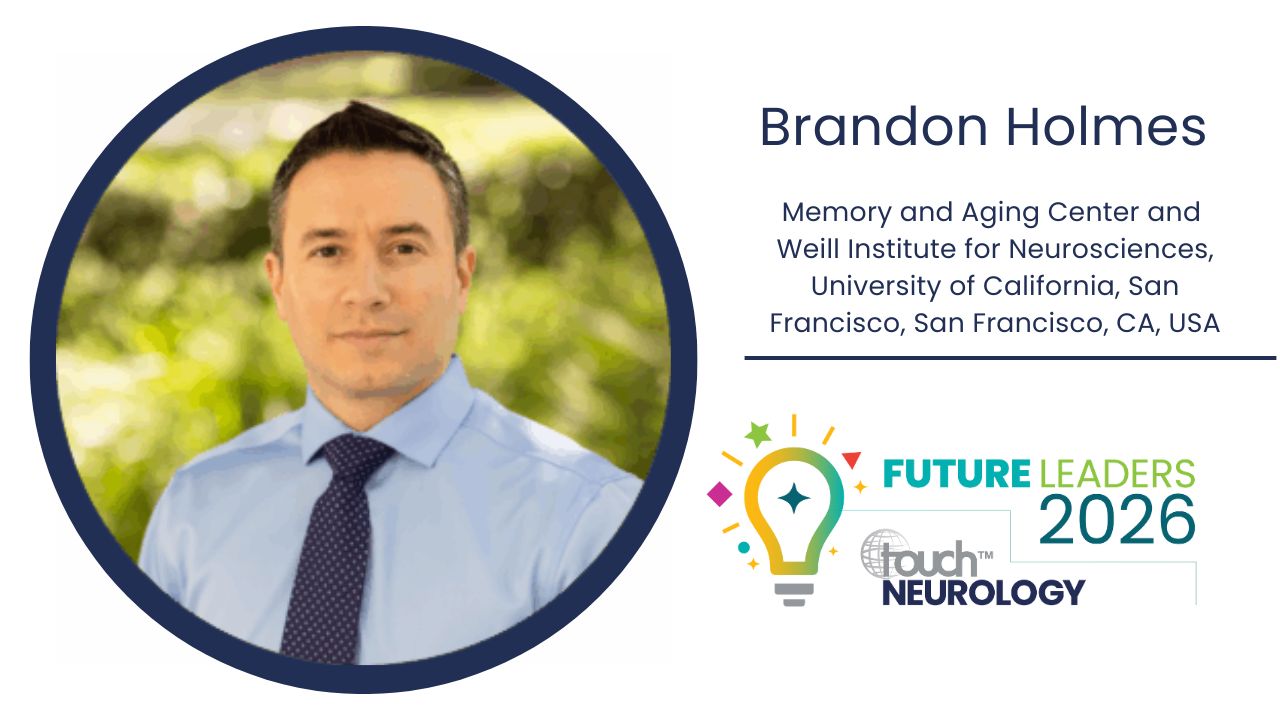
We are delighted to announce Dr Brandon Holmes as a touchNEUROLOGY Future Leader 2026, selected by peers as one of the neurologists changing the future of neurodegenerative disease. We spoke with Dr Brandon Holmes (Memory and Aging Center and Weill Institute ...
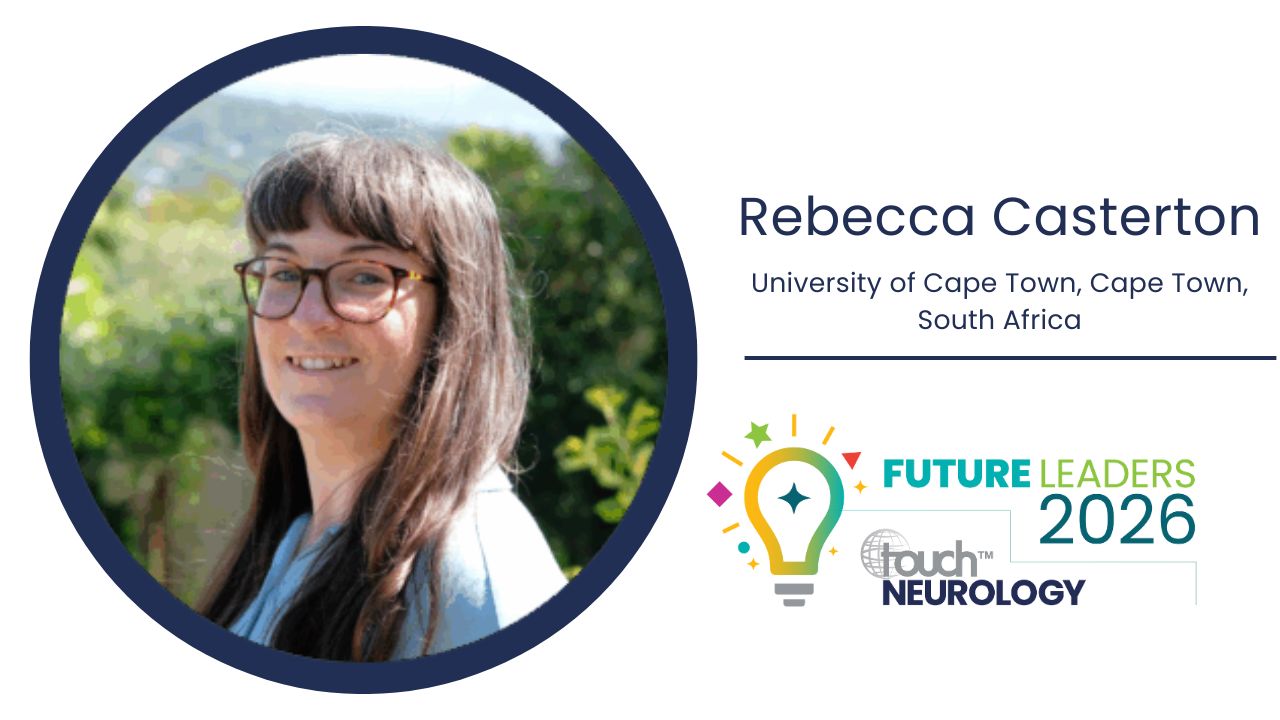
We are delighted to announce Dr Rebecca Casterton as a touchNEUROLOGY Future Leader 2026, selected by peers as one of the neurologists changing the future of neurodegenerative disease. We spoke with Dr Rebecca Casterton (University of Cape Town, Cape Town, South ...
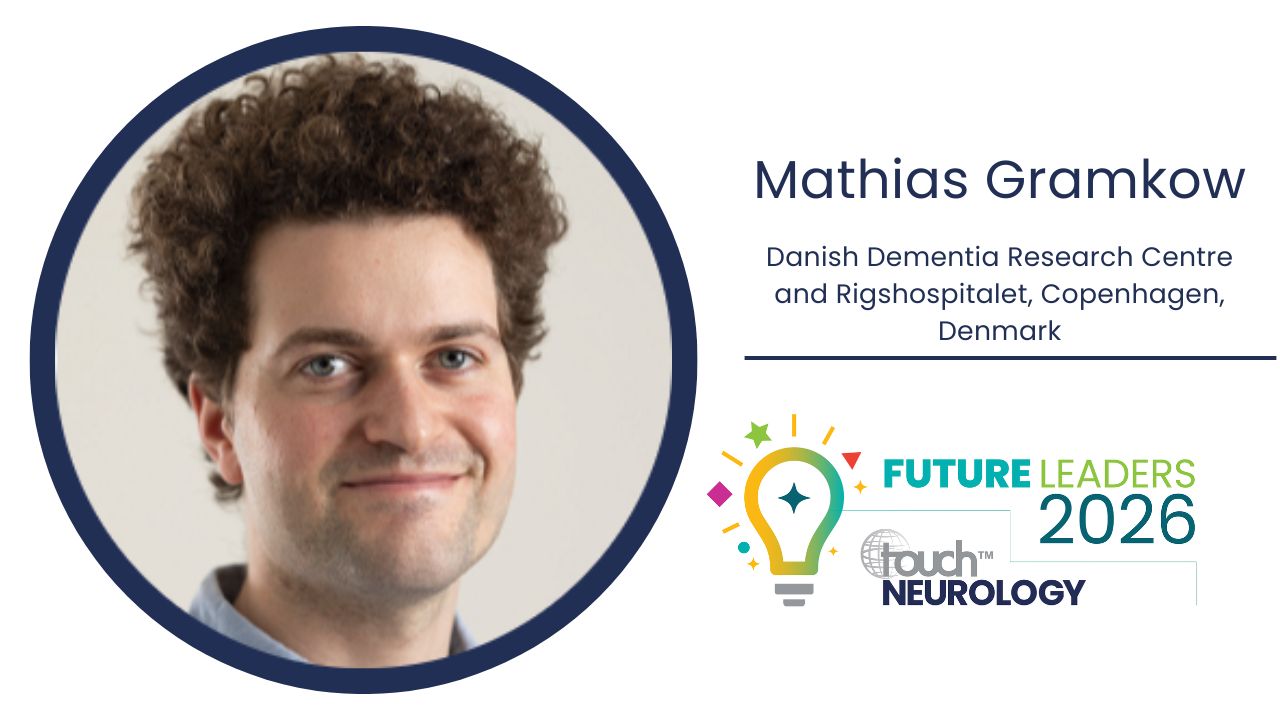
We are delighted to announce Dr Mathias Gramkow as a touchNEUROLOGY Future Leader 2026, selected by peers as one of the neurologists changing the future of Alzheimer's disease. We spoke with Dr Mathias Holsey Gramkow (Danish Dementia Research Centre and Rigshospitalet, ...
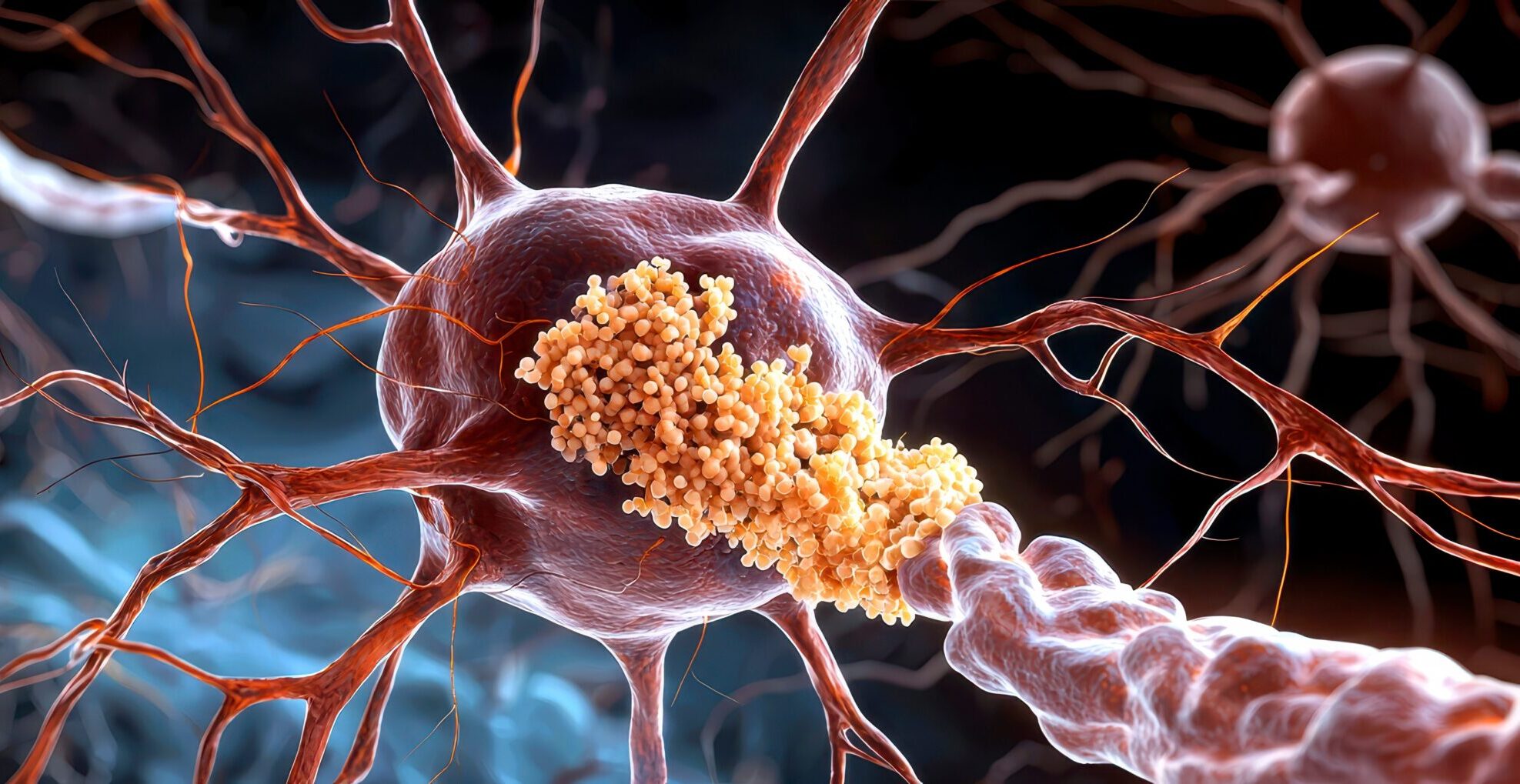
Prof. Lutz Frölich discusses the 48-month Clarity AD open-label extension, including long-term efficacy, clinical meaningfulness, safety and what these findings could mean for patients eligible for lecanemab in Europe. At the European Academy of Neurology (EAN) Congress 2026, Prof. Lutz ...

Leading experts share their perspectives on the most important therapeutic and treatment updates at AAN 2026 and discuss how these findings may shape the future of neurologic care At American Academy of Neurology (AAN) Annual Meeting, Chicago, IL, USA, April 18–22, 2026, major ...
Log into your Touch Account
Keep track of your clinical interests and newsletter subscriptions.
Sign up with an Email
Or use a .
Register now for FREE access
Already registered? Login below.