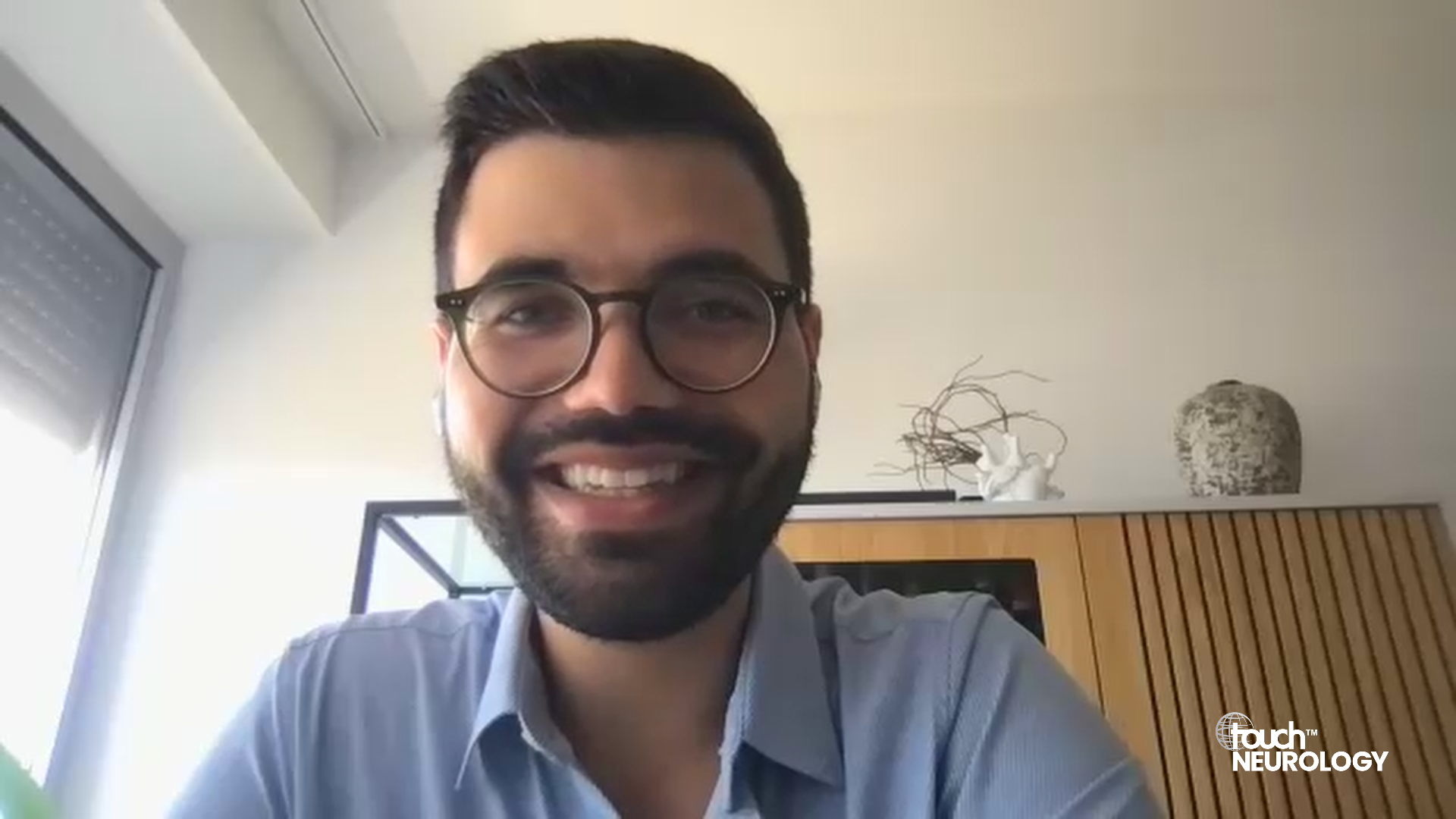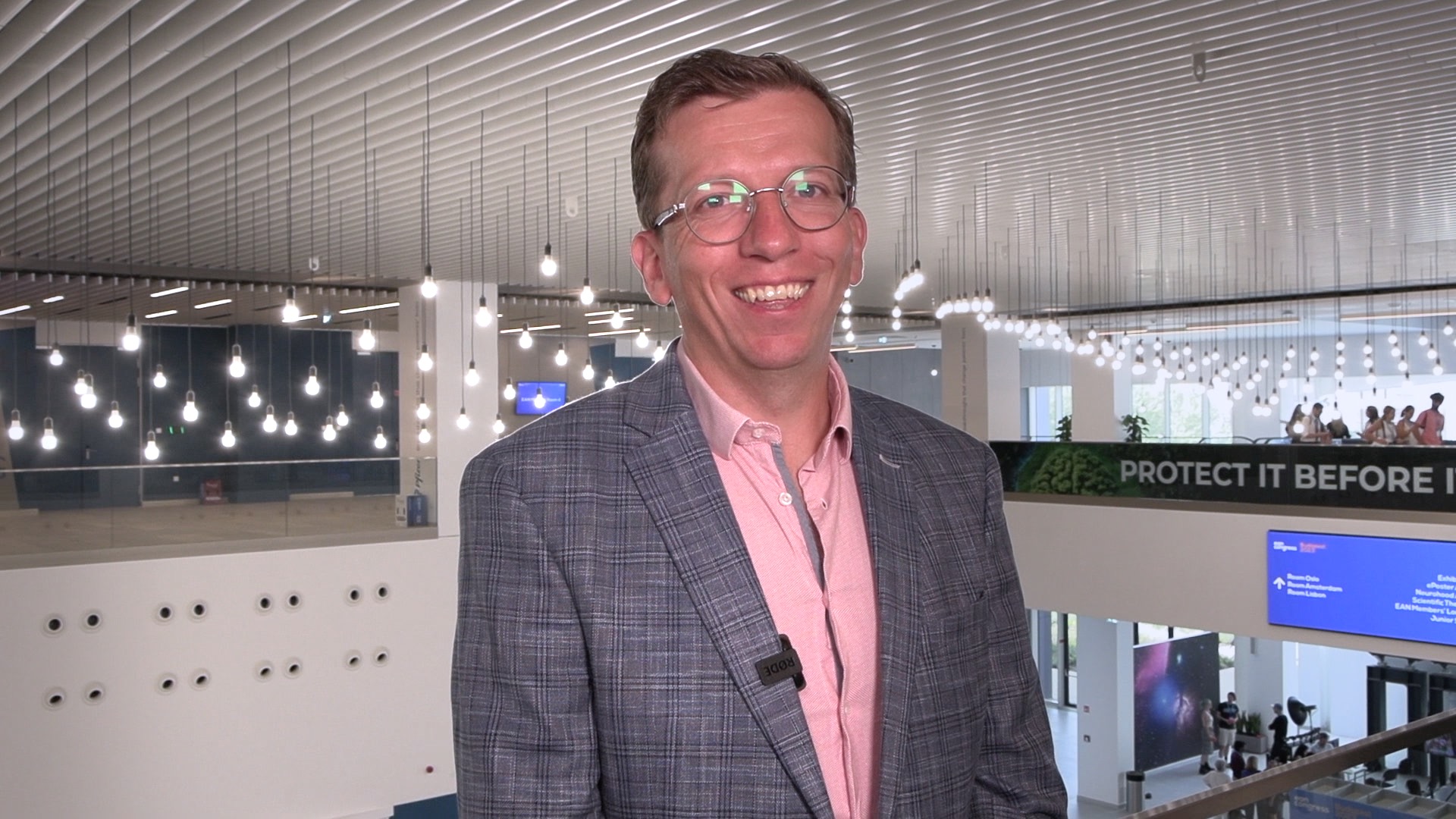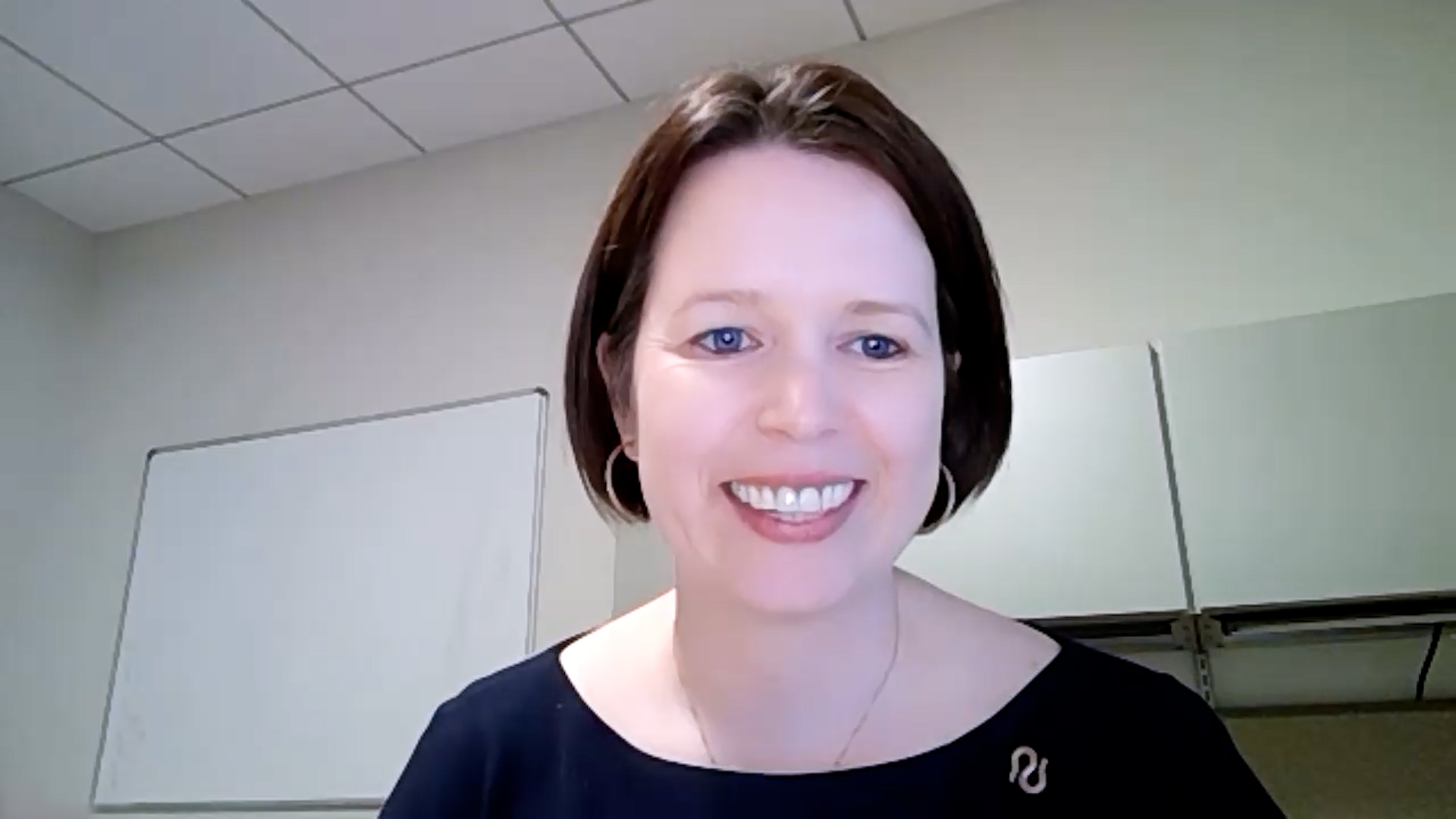
We are delighted to announce Dr Robin Zhou as a touchNEUROLOGY Future Leader 2026, selected by peers as one of the neurologists changing the future of Alzheimer’s disease.

Dr Robin Zhou (Karolinska Institutet, Stockholm, Sweden) is an MD and PhD student whose research focuses on the discovery and development of novel biomarkers in Alzheimer’s disease. His work aims to identify biomarkers with prognostic value in individuals with early Alzheimer’s disease, supporting earlier diagnosis and more personalized approaches to care. Robin has received multiple research grants from Swedish foundations and was awarded the 2023 Asklepiospriset from the Swedish Medical Society for the best scientific article of the year by a junior physician. In 2025, he also received the Carl Tullus Minnesfond award.
In this interview, Dr Zhou shares what inspired his career in neurology, reflects on his contribution to the 2024 Alzheimer’s disease diagnostic criteria, and discusses how blood-based biomarkers are shaping the future of Alzheimer’s disease research and care.
What inspired you to pursue a career in neurology?
In the last few decades, progress across many medical specialties has been inspiring. Perhaps particularly in oncology, where individuals with previously untreatable conditions can now be offered several types of therapy. Neurology is now beginning to catch up, with many promising breakthroughs in treatment, particularly for neurodegenerative disorders.
I wanted to pursue a career in neurology because it offers the opportunity to witness, and hopefully contribute to, this major shift in the treatment of previously incurable neurodegenerative diseases. Furthermore, although I may be biased, I think the brain is simply the most complex and fascinating organ we have.
What has been the most rewarding moment in your journey so far?
I was actively involved in discussions surrounding the new diagnostic criteria for Alzheimer’s disease, which were published in 2024. I wrote an editorial and several debate articles to highlight what I believed were some of the limitations of the new criteria.
This was a particularly rewarding experience because it generated significant feedback and discussion from the research community, both nationally and internationally.
Which current innovations or developments in neurology excite you most for the future?
The development of blood-based biomarkers for neurodegenerative diseases has made it possible to detect neuropathological processes in asymptomatic individuals.
“Rather than waiting for symptoms to emerge, we may increasingly be able to ask: We know the pathology is there, how can we prevent or delay the onset of symptoms?”
In the future, I believe these advances will help us move towards a more preventative approach to neurodegenerative diseases. Rather than waiting for symptoms to emerge, we may increasingly be able to ask: “We know the pathology is there, how can we prevent or delay the onset of symptoms?”. This shift has the potential to fundamentally change how we approach neurodegenerative disease care.
More content in Alzheimer’s disease
Cite: Dr Robin Zhou on advancing blood-based biomarkers for early Alzheimer’s disease: touchNEUROLOGY Future Leader 2026. touchNEUROLOGY. 08 July 2026
Editor: Katey Gabrysch, Editorial Director.
Disclosures: Robin Zhou has nothing to disclose.
The content was developed and edited by human editors. No fees or funding were associated with its publication. touchNEUROLOGY utilize AI as an editorial tool (ChatGPT (GPT-4o) [Large language model]. https://chat.openai.com/chat).
This content has been developed independently by Touch Medical Media for touchNEUROLOGY in collaboration with Dr Robin Zhou. Views expressed are the speaker’s own and do not necessarily reflect the views of Touch Medical Media.
SIGN UP to touchNEUROLOGY!
Join our global community today for access to thousands of peer-reviewed articles, expert insights, and learn-on-the-go education across 150+ specialties, plus concise email updates and newsletters so you never miss out.