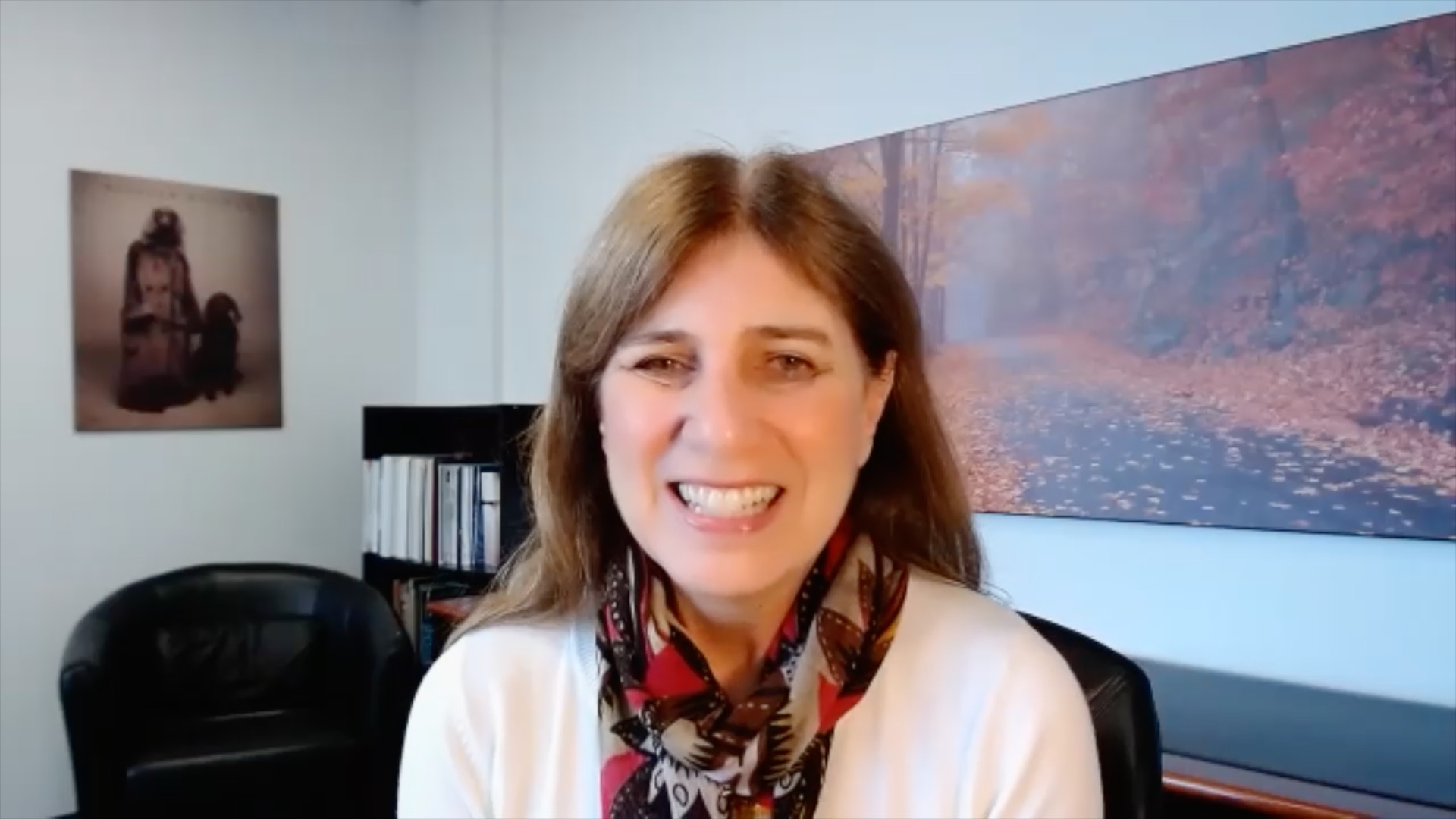
Prof. John-Paul Taylor discusses the phase 2b RewinD-LB findings, lessons learned from the neflamapimod programme, and the next steps towards precision medicine in dementia with Lewy bodies
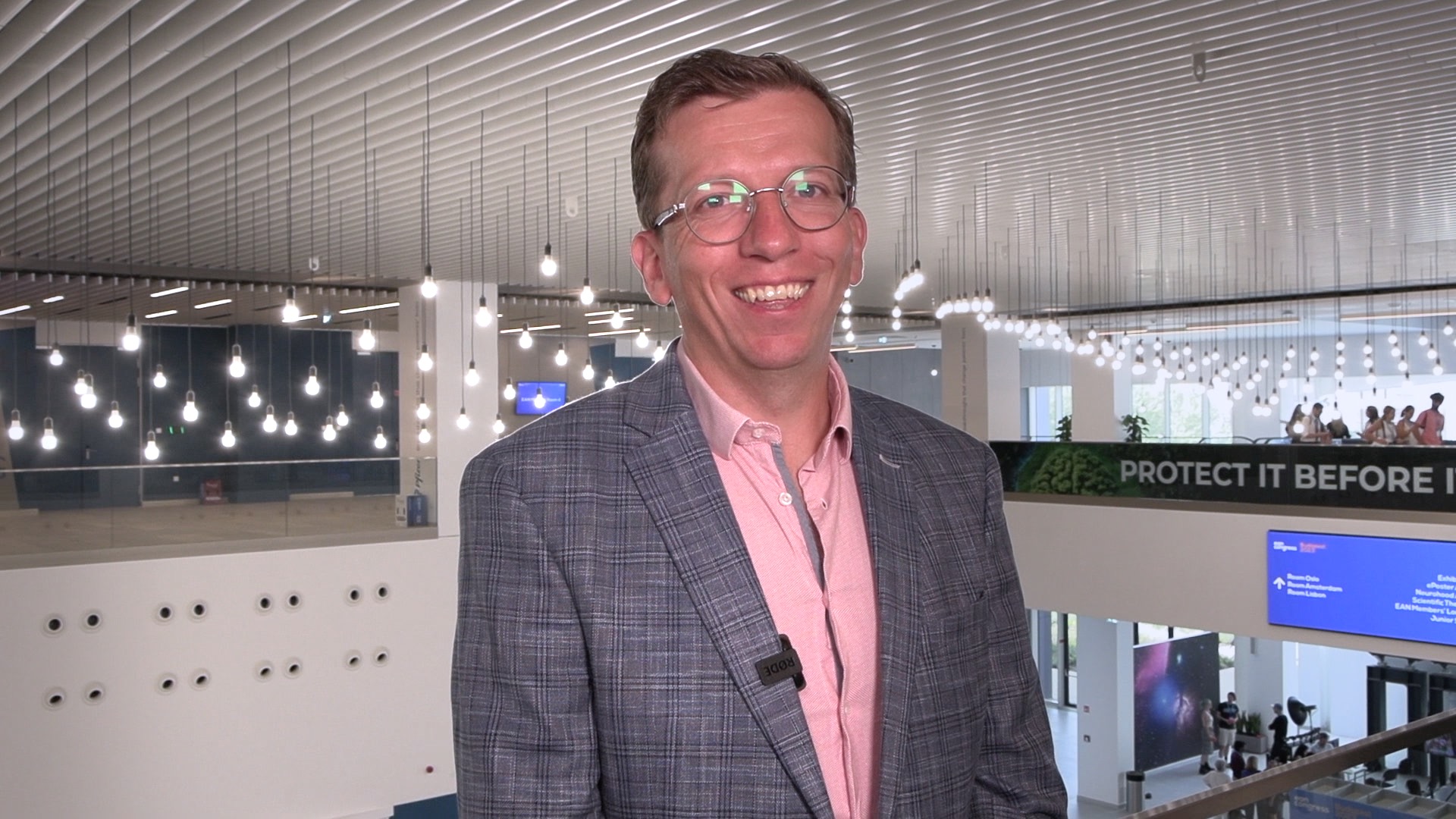
 We spoke with Prof. John-Paul Taylor, Newcastle University, Newcastle upon Tyne, UK, at the Alzheimer’s Association International Conference (AAIC) 2026 about the latest advances in disease-modifying therapies for dementia with Lewy bodies (DLB).
In this interview, Prof. Taylor discusses the rationale for targeting the cholinergic system with neflamapimod, the key findings from the phase 2b RewinD-LB programme, how biomarker stratification is helping identify patients most likely to benefit from treatment, and why precision medicine is set to play an increasingly important role in the future management of DLB.
Presentation: The Oral P38a Kinase Inhibitor Neflamapimod Slows The Rate Of Clinical Worsening In Dementia With Lewy Bodies (DLB)
touchNEUROLOGY coverage of AAIC 2026
What makes dementia with Lewy bodies such a challenging condition to treat, and why is there a need for therapies that target the underlying disease process?
A complex and underdiagnosed disease
Dementia with Lewy bodies (DLB) is the second most common neurodegenerative dementia, but it is frequently misdiagnosed or underdiagnosed. That is probably the biggest challenge we face.
Beyond that, the condition itself presents with a whole range of symptoms. People experience cognitive impairment with marked fluctuations in attention, neuropsychiatric symptoms such as visual hallucinations and delusions, Parkinsonism with movement difficulties, sleep disturbances, the archetype being REM sleep behavior disorder, and autonomic symptoms, including for example problems regulating blood pressure, constipation and urinary difficulties.
Taken together, all of these symptoms make DLB a very challenging condition to manage.
Moving beyond symptomatic treatment
At the moment, we have a number of symptomatic treatments, including cholinesterase inhibitors, and there is good evidence supporting their use for DLB. However, we remain firmly in the symptomatic treatment space and do not yet have any disease-modifying therapies that target the underlying pathological mechanisms of DLB.
Could you summarize the key findings from the RewinD-LB study, and which results do you consider most clinically meaningful?
Understanding the phase 2b findings
I have been involved with CervoMed as part of the neflamapimod programme, which has been investigating whether this molecule has efficacy in DLB through the RewinD-LB study. There is a strong rationale for targeting the cholinergic system because it is profoundly affected in DLB, and there has been a substantial body of preclinical and early clinical evidence that supports the use of neflamapimod as an effective agent in ameliorating this cholinergic dysfunction.
The RewinD-LB study was a phase 2b trial that included both a randomized controlled component and an extension phase. During the randomized phase, the primary endpoint, the Clinical Dementia Rating Sum of Boxes (CDR-SB), was negative overall. However, it subsequently became clear that there were issues relating to the drug batches used during that phase of the study.
Although that created obvious challenges, it also provided an opportunity to better understand the dose-response relationship and the mechanisms by which neflamapimod may exert clinical effects.
During the extension phase, a new drug batch was introduced that achieved the target pharmacokinetic exposure. This allowed comparisons between participants receiving the original batch and those receiving the new batch while maintaining blinding, as everyone believed they were receiving the active treatment. When those comparisons were made, there were significant improvements in clinical outcomes, including the CDR-SB and several secondary outcome measures.
Importantly, those clinical findings were accompanied by a biological signal through changes in glial fibrillary acidic protein (GFAP), which were associated with clinical response. Seeing the clinical and biological data converge provides encouraging evidence that neflamapimod is having a genuine effect.
The subsequent analyses were also informative. Looking back at the randomized phase, participants who achieved the target trough concentrations appeared to derive clinical benefit, again supporting the importance of adequate drug exposure.
Biomarkers point towards precision medicine
Perhaps one of the most interesting findings was the role of Alzheimer’s disease co-pathology. Earlier work suggested that patients with less Alzheimer’s co-pathology might respond better to neflamapimod. Within this study, plasma phosphorylated tau181 (p-tau181) was used to stratify participants, allowing us to identify individuals with relatively pure DLB and minimal Alzheimer’s disease pathology.
Again, it was this group that demonstrated the strongest clinical response. For me, this reflects the broader direction the field is moving in, towards precision medicine. We are increasingly recognizing that we need to match therapies to the biological profile of each individual patient.
For example, patients with significant Alzheimer’s disease co-pathology may ultimately benefit from anti-amyloid therapies, whereas those with relatively pure DLB may be better suited to treatments such as neflamapimod. That kind of biologically informed approach is where I think the future lies.
What are the next steps for the neflamapimod programme?
Learning from the phase 2b study
Although the randomized phase clearly presented challenges, it has been incredibly informative. We now have much better evidence regarding the dose-response relationship and the drug exposure required to achieve a clinical effect.
We also have a much clearer understanding of which patients are most likely to benefit, particularly those with relatively pure DLB identified using biomarkers such as plasma p-tau181.
Designing a more targeted phase 3 trial
All of this information is helping to shape the design of a much more robust phase 3 study. We now know the dosing levels we need to achieve and the patient population we should be targeting.
So despite the challenges, from the Phase IIb trial, these deeper analyses have provided a great deal of valuable information that will help guide the next stage of development.
If approved, how do you see neflamapimod fitting into clinical practice?
An accessible treatment option
One of the attractive features of neflamapimod is that it is an oral medication. That makes it relatively easy to prescribe and potentially scalable in routine clinical practice, much like cholinesterase inhibitors.
In addition the safety profile is generally favorable. At higher doses there have been concerns around elevated liver enzymes, but at the doses likely to be used clinically, that is unlikely to be a significant issue.
A new tool for treating DLB
From a mechanistic perspective, the neflamapimod targets one of the key pathological systems involved in DLB: the cholinergic system. That means it has the potential to improve a range of symptoms including cognition and associated fluctuations, in attention, and other symptoms like visual hallucinations which are heavily influenced by cholinergic dysfunction. I would also expect an overall global functional improvement as well, something that was borne out in the Phase 2b data, particularly using the effective batch.
If the Phase 3 trial is positive, I see neflamapimod as becoming one of the most important tools in our pharmacological arsenal for treating DLB.
Looking beyond your own research, what have been the most important therapeutic advances presented at AAIC 2026?
Expanding beyond amyloid
There has been a strong focus on anti-amyloid therapies, but I think the field is now beginning to pivot towards other disease mechanisms.
Tau is a major area of interest, and there has been a lot of emphasis on tau-targeted therapies at this conference.
I am also particularly interested in the emerging technologies that allow disease-modifying therapies to cross the blood-brain barrier more effectively. If we can deliver drugs into the brain more efficiently while reducing peripheral exposure, we may improve efficacy while reducing adverse effects such as ARIA.
Returning to the point about precision medicine, and the fact that disease heterogeneity is the norm, something that was big discussion point at this year’s meeting, I do not think dementia will be solved with one magic bullet. I think, much like cancer, we will ultimately use a combination of therapies targeting different disease mechanisms. Small incremental gains from multiple treatments may combine to produce much greater benefits for patients.
Making precision medicine a reality
Finally, I have also been impressed by developments in biomarker technology. While cerebrospinal fluid and plasma biomarkers are extremely valuable, we also need approaches that can be implemented in routine clinical practice.
From an NHS perspective, scalability is critical. Technologies such as capillary blood spot testing, which may provide results comparable to plasma or cerebrospinal fluid biomarkers, could be a real game changer by making testing much more accessible.
Related content
The Bidirectional Nexus of Sleep and Alzheimer’s Disease: Mechanisms and Translational Opportunities
More content in Alzheimer’s disease
Cite: John-Paul Taylor. Neflamapimod in dementia with Lewy bodies: New insights from the RewinD-LB programme. touchNEUROLOGY. 13 July 2026.
Presentation: The Oral P38a Kinase Inhibitor Neflamapimod Slows The Rate Of Clinical Worsening In Dementia With Lewy Bodies (DLB)
Editor: Katey Gabrysch, Editorial Director.
Disclosures: John-Paul Taylor is a consultant for CervoMed.
The content was developed and edited by human editors. No fees or funding were associated with its publication. touchNEUROLOGY utilize AI as an editorial tool (ChatGPT (GPT-4o) [Large language model]. https://chat.openai.com/chat).
This content has been developed independently by Touch Medical Media for touchNEUROLOGY in collaboration with John-Paul Taylor. Views expressed are the speaker’s own and do not necessarily reflect the views of Touch Medical Media.
SIGN UP to touchNEUROLOGY!
Join our global community today for access to thousands of peer-reviewed articles, expert insights, and learn-on-the-go education across 150+ specialties, plus concise email updates and newsletters so you never miss out.