New Phase 2b data highlight the potential of targeting synaptic dysfunction to slow disease progression in dementia with Lewy bodies

Dementia with Lewy bodies (DLB) remains an area of high unmet need, with no approved disease-modifying therapies and significant clinical heterogeneity. At AD/PD 2026, new data from the Phase 2b RewinD-LB trial provided further insight into the potential of neflamapimod, a p38α MAP kinase inhibitor, to target key disease mechanisms.
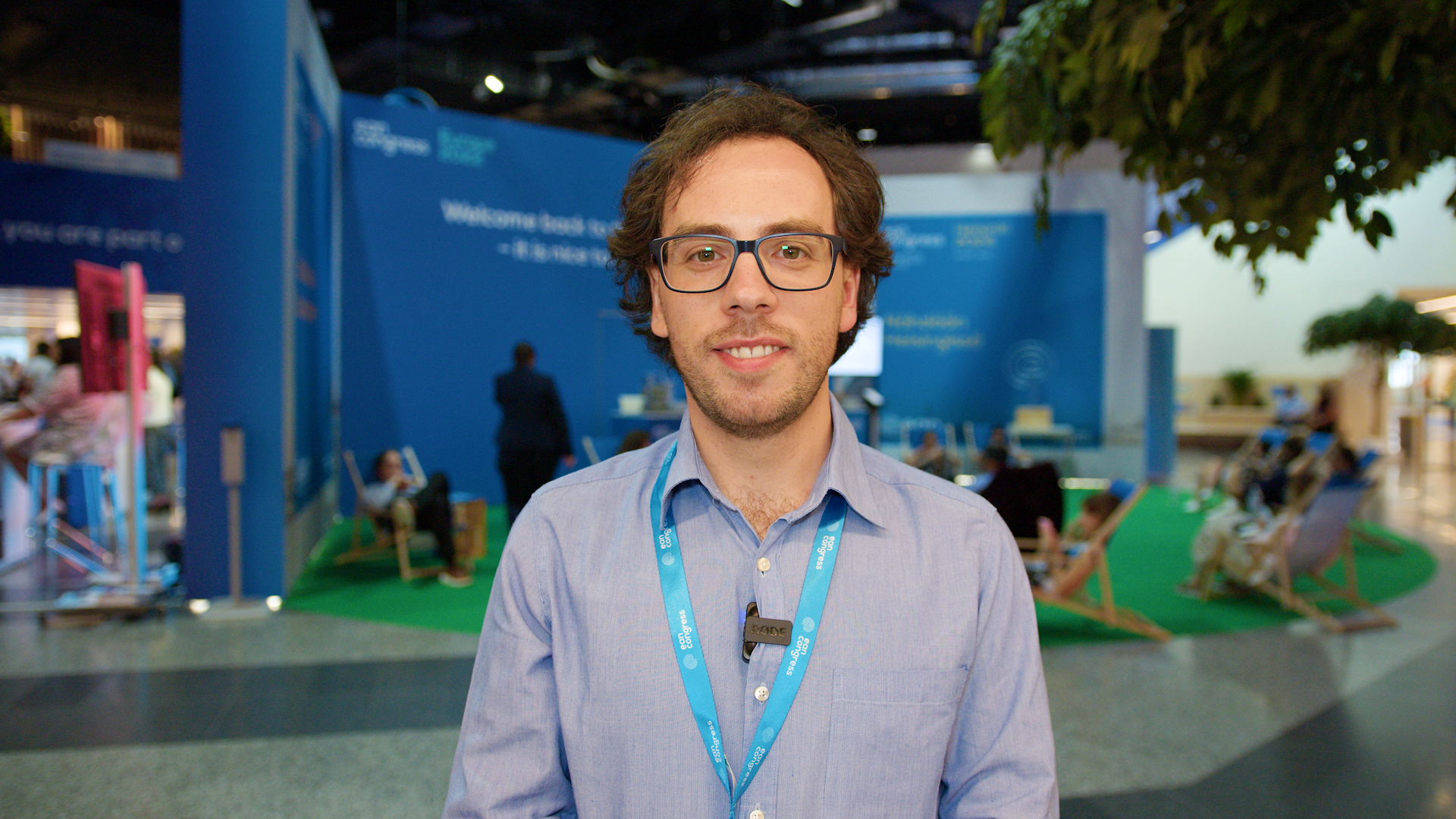
In this Q&A, Prof. John-Paul Taylor (Professor of Translational Dementia Research, Northumberland, Tyne and Wear NHS Trust, UK) discusses the trial findings, their implications for understanding DLB biology and the rationale for ongoing Phase 3 development, as well as broader themes in neurodegenerative research, including precision medicine and mechanism-based therapeutic strategies.
Q. Could you provide an overview of the Phase 2b RewinD-LB trial and the rationale for evaluating neflamapimod as a potential treatment for dementia with Lewy bodies (DLB)?
Neflamapimod is an investigational, orally administered, small-molecule drug that readily crosses the blood–brain barrier and selectively inhibits the alpha isoform of p38 MAP kinase (p38α), a key driver of neuroinflammation and synaptic dysfunction. By targeting critical disease processes underlying degenerative disorders of the brain, neflamapimod has the potential to reverse synaptic dysfunction, improve neuronal health and slow or prevent disease progression.
RewinD-LB was a 159-patient Phase 2b study that evaluated the efficacy and safety of neflamapimod in patients with DLB. The trial included two distinct parts: a 16-week randomized, double-blind, placebo-controlled phase, followed by a 32-week on-treatment extension with neflamapimod for participants completing the randomized phase. The primary clinical endpoint was the Clinical Dementia Rating Scale Sum of Boxes (CDR-SB), a valid and sensitive tool that captures both cognitive and functional decline in patients with DLB. Additional secondary, exploratory and biomarker endpoints were also evaluated.
Positive results from the RewinD-LB trial support neflamapimod’s potential to deliver meaningful clinical benefit. When expected plasma drug concentrations were achieved, neflamapimod demonstrated clinically meaningful treatment effects, improving both cognitive and functional outcomes and showing a positive effect on a key blood biomarker of neurodegeneration during the extension phase.
Q. The trial reported a statistically significant and clinically meaningful effect on disease progression in patients with DLB without Alzheimer’s disease co-pathology. How should clinicians interpret these findings, and what do they tell us about the underlying biology of DLB?
The statistically significant and clinically meaningful slowing of disease progression observed in the extension phase of RewinD-LB is encouraging, particularly given the lack of current treatments and the high unmet medical need.
These results suggest that p38α-driven synaptic dysfunction may play a key role in disease progression in DLB, and that more targeted, mechanism-based approaches may be critical to future therapeutic success.
The fact that the greatest clinical benefits from neflamapimod treatment were observed in patients without Alzheimer’s disease co-pathology reinforces the concept that “pure” DLB represents a distinct disease course, with reversible cholinergic dysfunction as a primary driver of progression. Clinically, this highlights the importance of biomarker-driven diagnosis, as therapeutic response may vary depending on the underlying pathology.
Collectively, these findings underscore both the therapeutic promise of neflamapimod and the importance of precision medicine approaches in dementia.
Q. Given that there are currently no approved disease-modifying therapies for DLB in the US or EU, what unmet clinical needs does neflamapimod aim to address in this patient population?
DLB is the second most common progressive dementia after Alzheimer’s disease. Patients may experience a combination of cognitive decline, fluctuations in attention, visual hallucinations, sleep disturbances and motor symptoms similar to Parkinson’s disease.
Despite affecting millions of people worldwide, there are no approved disease-modifying treatments for DLB in the United States or European Union, making it one of the most significant unmet needs in neurodegenerative disease. Current treatments are limited to symptomatic management and often provide only modest, transient benefits.
Neflamapimod is designed to address this gap by targeting disease biology directly, with the aim of slowing progression rather than simply alleviating symptoms. This is particularly important for patients and caregivers, as DLB often leads to rapid functional decline and substantial burden, with the average time from diagnosis to requiring nursing care being approximately 2 years.
Q. How are the findings from the RewinD-LB trial informing the design of the upcoming Phase 3 registrational study, and what will be the key questions that trial aims to answer?
Based on the positive RewinD-LB results and feedback from global regulators, CervoMed plans to initiate a single, global, randomized, double-blind, placebo-controlled Phase 3 clinical trial evaluating the efficacy and safety of neflamapimod in approximately 300 patients with DLB. The trial will enrich for participants without Alzheimer’s disease co-pathology.
Participants will be randomized 1:1 to receive either oral neflamapimod or placebo for 32 weeks, followed by a neflamapimod-only extension for 48 weeks. The primary endpoint will be worsening of global cognition and function, as measured by change in CDR-SB. Secondary endpoints will include the proportion of participants with a greater than 1.5-point increase in CDR-SB, alongside other established measures of cognitive and motor function. Assessments of key biomarkers of neurodegeneration will also be included.
According to CervoMed’s recent press release, the Phase 3 trial will use a dosing regimen of 50 mg three times daily (TID) of the stable crystal form of neflamapimod, to ensure plasma drug concentrations associated with therapeutic activity are achieved.
Q. Neflamapimod is also being explored in other neurodegenerative diseases, including ALS through the EXPERTS-ALS platform trial. What is the scientific rationale for investigating this mechanism in ALS, and what are the key outcomes researchers hope to evaluate?
ALS is a devastating disease that places an enormous burden on patients and their families. While I am not directly involved with EXPERTS-ALS, such platform trials can help accelerate the evaluation and potential regulatory approval of promising therapies.
EXPERTS-ALS enables rapid assessment of therapies through measurement of the blood biomarker neurofilament light chain (NfL). NfL levels are significantly elevated in patients with ALS due to accelerated neuroaxonal damage, and correlate with both the rate of disability progression and survival.
The selection of neflamapimod is based on its well understood mechanism of action, demonstrated clinical activity in other neurodegenerative diseases, including effects on blood biomarkers, and encouraging translational data in ALS-relevant neurotoxicity models.
Several studies have identified persistent p38α activation as a key driver of ALS pathology, with its inhibition shown to reduce neurotoxicity across multiple disease models, including neurons derived from patients with ALS. These data, together with neflamapimod’s ability to cross the blood–brain barrier and selectively inhibit p38α activity, provide a strong rationale for its evaluation in ALS.
Q. What were the most important therapeutic and treatment updates presented at AD/PD 2026?
At AD/PD 2026, one of the most important themes was the continued shift towards mechanism-based therapies in neurodegenerative diseases. Data presented, including new secondary analyses from the Phase 2b RewinD-LB trial, highlighted the importance of targeting specific biological pathways and selecting patients most likely to respond based on well understood pathology and validated biomarkers.
Across the field, there was growing recognition that heterogeneity in diseases such as DLB can significantly influence treatment response. CervoMed’s data contributed to this evolving perspective by demonstrating the potential to maximise clinical benefit and slow disease progression by targeting underlying biology in a well-defined patient population, namely those with DLB without Alzheimer’s disease co-pathology.
Already registered? Login below.
Related content
ECTRIMS 2025 highlights: Advancing precision in multiple sclerosis research and care
MS diagnostic criteria, biomarkers and therapeutics
More content in movement disorders
Cite: John-Paul Taylor. Neflamapimod as a potential treatment for dementia with Lewy bodies: Insights from the RewinD-LB trial. touchNEUROLOGY. 24 March 2026.
Editor: Katey Gabrysch, Editorial Director.
Disclosures: John-Paul Taylor is a consultant for CervoMed.
The content was developed and edited by human editors. No fees or funding were associated with its publication. touchNEUROLOGY utilize AI as an editorial tool (ChatGPT (GPT-4o) [Large language model]. https://chat.openai.com/chat).
This content has been developed independently by Touch Medical Media for touchNEUROLOGY in collaboration with Prof. John-Paul Taylor. Views expressed are the speaker’s own and do not necessarily reflect the views of Touch Medical Media.
SIGN UP to touchNEUROLOGY!
Join our global community today for access to thousands of peer-reviewed articles, expert insights, and learn-on-the-go education across 150+ specialties, plus concise email updates and newsletters so you never miss out.