 As the year draws to a close, we’re reflecting on the scientific and clinical progress that shaped 2025. It has been a truly groundbreaking year, marked by important therapeutic approvals, major guideline updates, and advances in personalized medicine, AI, and diagnostics that continue to refine the way neurological diseases are understood and managed. Across specialties these developments have driven meaningful improvements in patient care and opened the door to new research possibilities.
In this year-end review, we are pleased to share personal highlights from members of the touchNEUROLOGY Editorial Board, whose perspectives offer a window into the innovations that have most influenced clinical practice and research over the past 12 months. Their reflections capture not only the momentum of 2025, but also the promise of what lies ahead as the field continues to evolve.
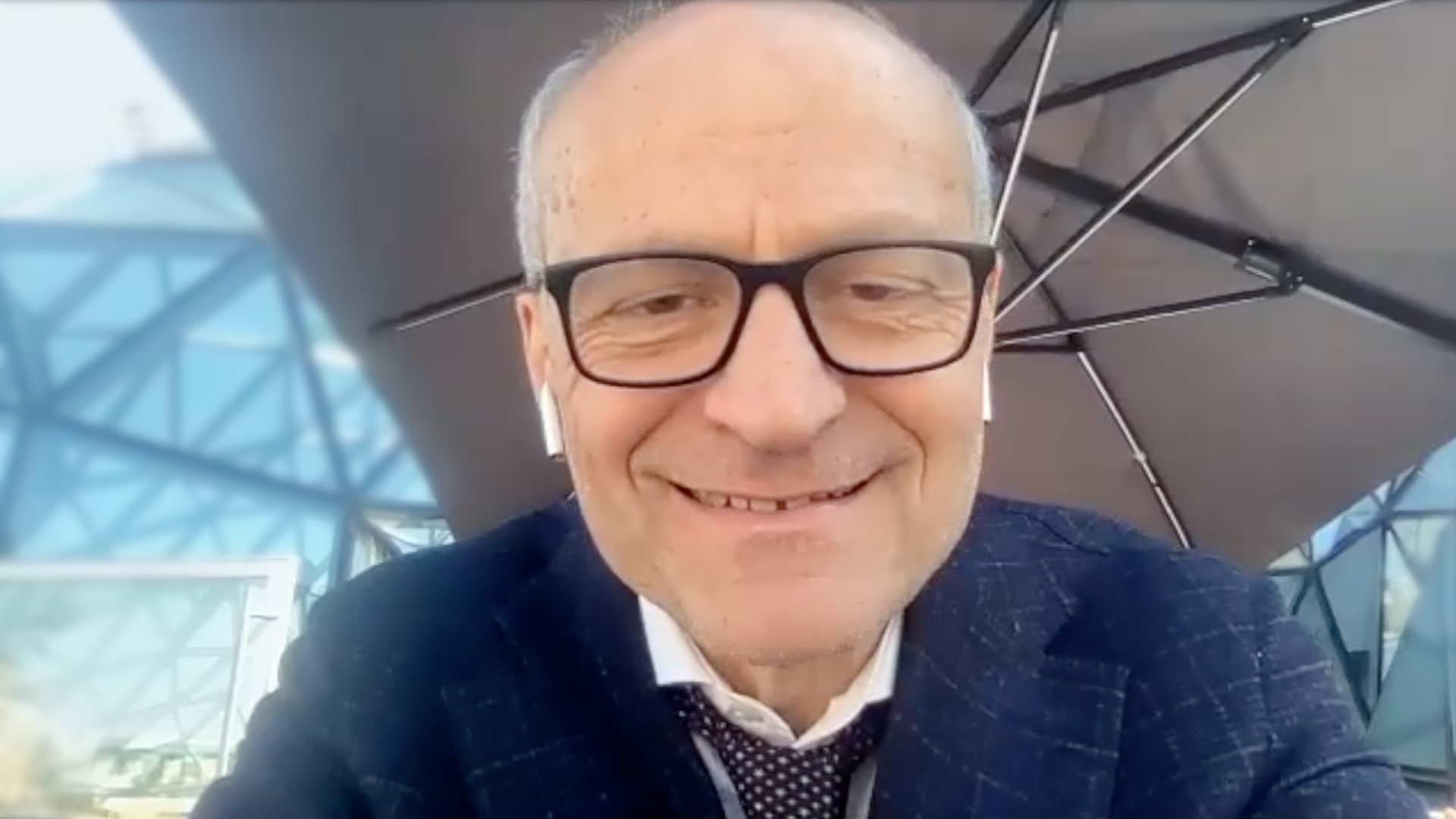
 Jeffrey Cummings
University of Nevada, Las Vegas, NV, USA
“The most influential advance in 2025 for Alzheimer’s disease was the FDA approval of the Alzheimer’s disease blood test. This will have a transformative effect on clinical trials and on clinical care. There were many other advances, but this one has immediate, substantial, and sustained impact.”
 Said R. Beydoun
University of Southern California, Los Angeles, CA, USA
“In the last couple of few years, there have been major advances in neuromuscular medicine, which is quite transformative. Knowledge of disease pathophysiology, refining phenotype definition have led to major breakthrough in therapeutics development, whether gene-based therapy or targeted immunotherapy. We’re witnessing a revolution in the application of a variety of diagnostic tools, in the field of genetics, immunology, imaging, and biomarker development. As neuromuscular physicians, we’re fortunate to practice during this era of time, and gratifying to care for our patients, ensuring early diagnosis and institution of highly effective and selective therapy.”
 Marcello Moccia
University of Naples Federico II, Naples, Italy
“The 2024 revision of the McDonald criteria marks a substantial change from previous iterations, establishing a unified, biomarker-based diagnostic framework that significantly expedites and broadens the spectrum of MS diagnosis. This paradigm shift enables earlier and more accurate diagnosis of MS, with the ultimate goal of improved long-term outcomes.”
 George Grossberg
St. Louis University School of Medicine, St. Louis, MO, USA.
“My 2025 most exciting developments in the Alzheimer’s space have been, firstly the FDA approval of the first blood-based biomarker. Then the emergence of “Brain-shuttle” technology to enhance blood-brain barrier penetration enabling higher CNS concentrations of drugs, resulting in more direct targeting and less systemic side effects and less ARIA with the monoclonals targeting A-Beta. Finally, data from the US Pointer Study reinforcing the notion that lifestyle modification is an active treatment in Alzheimer’s disease.”
 Michael Schulder
Zucker School of Medicine at Hofstra/Northwell, NY, USA
“The past year saw major steps towards treating persons with high grade primary brain tumours using medical and other methods that treat these infiltrating lesions using diffuse methods. Dordivaprone was approved for the treatment of diffuse midline (H3K27M mutated) gliomas, and vorasidenib, approved in 2023 for treating those with IDH mutated gliomas, was just recently included in the NCCN management guidelines as an option. At the same time, results from the Imvax auto-immunotherapy phase 2b randomized trial showed a 6-month increase in overall survival for study patients. The use of Alpheus low intensity diffuse ultrasound, in an open-label phase 1 trial with comparison to synthetic controls, also showed increased survival in a group of people with recurrent high grade glioma. While carefully planned and performed surgery remains an important part of high grade glioma management, neurosurgeons and their colleagues in other disciplines are increasingly accepting that focal treatments in these diffuse diseases are doomed to fail. Hence the ongoing search for diffuse treatments and 2025 has brought us closer to the goal of making serious progress in improving patient outcomes!”

Antonio Ciacciarelli
Policlinico Umberto I University Hospital, Rome, Italy
“In 2025, stroke research moved from expansion to refinement. The consolidation of evidence in large core stroke with large vessel occlusion (LVO) dismantled long-standing exclusion paradigms, showing that treatment effect cannot be reduced to infarct volume as a single, absolute measure. Importantly, it became clear that tissue appearing infarcted on baseline imaging may still contain meaningful volumes of salvageable brain, and that the benefit of reperfusion extends well beyond traditional thresholds. This apparent universality of benefit in LVO, however, did not translate to distal and medium vessel occlusions (DMVO). Randomised trials in DMVO tempered earlier enthusiasm for broadly applying endovascular therapy, demonstrating that distal occlusions represent a distinct disease entity requiring dedicated patient selection and dedicated devices. Alongside these developments, evidence around tenecteplase consolidated its role as a cornerstone of modern pharmacological reperfusion, expanding eligibility across wider time windows and traditionally excluded populations, including anticoagulated patients. Finally, anticipation surrounding OCEANIC-STROKE signalled a potential paradigm shift in secondary prevention, introducing factor XIa inhibition as a strategy to reduce recurrent stroke without the traditional bleeding trade-off. Collectively, 2025 will be remembered as a year that replaced one-size-fits-all approaches with precision, nuance, and biological insight across the stroke continuum.”
 Cris S Constantinescu
Cooper Medical School of Rowan University, Camden, NJ, USA
“As 2025 is coming to a close, it is exciting to review some of the important achievements made in the field of neurology this year. There have been many such achievements, and I will only select some that I find particularly relevant.
In multiple sclerosis (MS), steps have been taken to further expand the therapeutic armamentarium. Trials of Bruton Tyrosine Kinase (BTK) inhibitors, which show efficacy in relapsing MS, are now performed in progressive forms. CAR T cell therapies are being tested. Large studies elucidate the genetics of progression. All of these are major advances. But a most significant, key achievement this year was the publication of the revised diagnostic (“McDonald”) criteria for MS established in 2024. The new criteria will undoubtedly allow earlier diagnosis and treatment of MS and will reduce its burden. The additions to the criteria include the contribution of the central vein sign on magnetic resonance imaging and of the free kappa light chains in the cerebrospinal fluid, and have special recommendations for children, older adults, and persons with comorbidities.
There have been numerous advances in the treatment and rehabilitation of stroke. An important one was the successful trial of Tenecteplase for acute ischemic stroke, post-thrombectomy, extended to between 4.5 to 24 hours after the onset. This is proven to be safe and enlarges the therapeutic window, an approach that will improve the stroke outcome for thousands of patients. In rehabilitation, vagus nerve stimulation showed benefits to upper extremity function in stroke survivors.
Anti-amyloid immunotherapy for Alzheimer’s disease has made roads into widespread clinical practice, revolutionizing the management of this common, devastating disease. There has been progress toward the easier and less costly treatment with lecanemab via subcutaneous injection. Intensive research into biomarkers, risk factors, and lifestyle modifications have produced important results. In my opinion, the excellent study of a natural experiment with shingles vaccination has shown a significant protective effect of vaccination throughout the course of dementia, from frequency of diagnosis to prevention of death due to mild cognitive impairment or dementia.
In myasthenia gravis (MG), there has been a flurry of novel treatments in the last few years. This year saw the approval of inebilizumab (currently in use for the treatment of neuromyelitis optica spectrum disorder) for acetylcholine receptor or MuSK antibody-positive MG. Also, the top-line results of the ADAPT-SERON trial show a promising effect of efgartigimod for seronegative MG, a condition where therapeutic options are otherwise limited.
There have been many advances in many other neurological disease so we can say 2025 has been a good year for neurology treatment and research.”
 K Ray Chaudhuri
King’s College Hospital, London, UK
“Many developments have occurred in the field of real life care of Parkinson’s disease (PD), a condition that is likely to become the world’s most prevalent neurodegenerative disorder after Alzheimer’s disease and dementia. A steep rise in numbers in Asia with a high percentage of young onset Parkinson’s with a huge societal cost is predicted and in a 2025 paper, Poplawska-Domaszewicz et al describe the specific genetic and nonmotor profile of these early onset Parkinson (EOPD) cases and the need for bespoke personalised therapies which is included in Stepped Care first published in touchNEUROLOGY.1
Similarly, a welcome paper by Dr V Metta et al has also addressed the widely ignored concept of the needs of non white and Muslim PD patients who fast during the holy month of Ramadan.2 Dr Metta and colleagues describe a specific Ramadan Regime of treatment of a multitude of Muslim PD patients to avoid deterioration of parkinsonian state during fasting. Finally, with the help of expert patients and Sir Nicholas Mostyn, a Parkinson sufferer, a novel practical self help app for PD, the Parkinson Companion is soon to be launched after the publication of the Chaudhuri dashboard of PD in 2022 and 2023.3-5 The app would address often ignored “vitals” of Parkinson including gut, bone and vison health as well as overall wellness as developed by the group of Subramanian et al from USA and Movement Disorders Society.6 These developments are as important as the recently described trials of cell and gene therapy in Parkinson’s.”
1. Poplawska-Domaszewicz K, Qamar M, Falup-Pecurariu C, Ray Chaudhuri K. Recognition and characterising non-motor profile in Early Onset Parkinson’s Disease (EOPD). Park Rel Disord. 2024. Doi: 10.1016/j.parkreldis.2024.107123. 2. Metta V, Ibrahim H, Dafsari H, et al. Conceptualizing a Personalized Care Pathway for Parkinson’s Disease Using Wearable Sensors in Muslim Patients: The Ramadan Regimen. J Mov Disord. 2025. Doi: 10.14802/jmd.25198. 3. Chaudhuri KR and Mostyn N. A dashboard and toolkit for Parkinson’s: Patient voice – Clinician enabled. https://iforgottoaskthedoctor.com/wp-content/uploads/2024/12/C-M-dashboard.pdf. 4. Chaudhuri KR, Titova N, Qamar MA, Murășan I, Falup-Pecurariu C. The Dashboard Vitals of Parkinson’s: Not to Be Missed Yet an Unmet Need. J Pers Med. 2022;12:1994. 5. Qamar MA, Rota S, Batzu L, et al. Chaudhuri’s Dashboard of Vitals in Parkinson’s syndrome: an unmet need underpinned by real life clinical tests. Front Neurol. 2023;14:1174698. 6. Subramanian I, Ricciardi L, Schrag A. International Parkinson; Movement Disorder Society Task Force on Wellness. A Holistic Wellness Prescription for Parkinson’s Disease: Evidence-Based Perspectives and Unmet Needs. Mov Disord Clin Pract. 2025. Doi: 10.1002/mdc3.70381.
 Peter Goadsby
King Abdullah University of Science and Technology, Saudi Arabia and King’s College London, UK
“2025 was a great year for research in headache disorders. We saw a range of fundamental and clinical studies that deepened our understanding of primary headache disorders, particularly migraine. A few of the many can be easily highlighted. Peng and colleagues showed using task-based fMRI that hypothalamic activation was only demonstrated in menstrually-related migraine, not in menstruating controls.1 Challenging evolving dogma concerning the site of action of gepants, CGRP receptor antagonists, a double-blind, placebo-controlled study of the premonitory stage of migraine with ubrogepant, demonstrated reversal of premonitory symptoms, prior to headache, including photophobia and concentration difficulties.2 Laboratory data demonstrating the biodistribution of gepants as measured with mass spectrometry showed substantial brain penetration of gepanats in mouse brain.3 No doubt the site of action debate will continue. Therapeutically, we saw a third positive study with candesartan,4 which must be a first line choice for migraine prevention that is certainly cost-effective. Mechanistically, a blinded challenge study showed that in the presence of CGRP blockade with eptinezumab, PACAP38 could still trigger headache.5 This augurs well for the development of PACAP-targeted therapies, especially considering patients who do not respond to CGRPs. We also saw important work in cluster headache, suggesting there is a way forward for CGRP-targeted therapies for this most severe disease.6,7 It certainly was an exciting year with so much more to come in 2026.”
1. Peng KP, Mehnert J, May A. Neuronal Dynamics of Menstrually Related Migraine: A Longitudinal Task-Based fMRI Study. Neurology. 2025;105(9):e214234. 2. Goadsby PJ, Ailani J, Dodick DW, et al. Ubrogepant for the treatment of migraine prodromal symptoms: an exploratory analysis from the randomized phase 3 PRODROME trial. Nat Med. 2025;31:2179-85. 3. Pistolesi A, De Cesaris F, Buonvicino D, Chiarugi A. Biodistribution of Atogepant and Rimegepant in Mouse Peripheral and Central Structures of Relevance to Migraine Pathogenesis. Cephalalgia. 2025;45:in press. 4. Oie LR, Wergeland T, Salvesen O, et al. Candesartan versus placebo for migraine prevention in patients with episodic migraine: a randomised, triple-blind, placebo-controlled, phase 2 trial. Lancet Neurol. 2025;24(10):817-27. 5. Al-Karagholi MA, Zhuang ZA, Beich S, et al. PACAP38-induced migraine attacks are independent of CGRP signaling: a randomized controlled trial. J Headache Pain. 2025;26(1):79. 6. Tassorelli C, Jensen RH, Goadsby PJ, et al. Long-term safety, tolerability, and efficacy of eptinezumab in chronic cluster headache (CHRONICLE): an open-label safety trial. Lancet Neurol. 2025;24(5):429-40. 7. Jensen RH, Tassorelli C, Tepper SJ, et al. Efficacy and Safety of Eptinezumab in Episodic Cluster Headache: A Randomized Clinical Trial. JAMA Neurol. 2025;82:706-14.
 Sonu Bhaskar
Director, Global Health Neurology Lab, NSW Brain Clot Bank, Sydney, Australia
“The most impactful shift in 2025 has been the convergence of targeted neuroimmunology and AI-enhanced diagnostics. The arrival of novel CD40L-directed therapies in MS offers a new benchmark for efficacy and tolerability, fundamentally altering our approach to aggressive disease. Simultaneously, the clinical rollout of AI-interpreted biomarker panels, integrating proteomic, genomic, and imaging data, is revolutionising early and differential diagnosis in complex cases, from Alzheimer’s variants to autoimmune encephalopathies. This dual advance empowers us to move beyond syndromic management towards mechanism-based, individualised care pathways much earlier in the disease course. The year has solidified that the future of neurology lies in precisely interrupting pathophysiology before irreversible neurodegeneration occurs.”
This content has been developed independently by Touch Medical Media for touchNEUROLOGY. Views expressed are the speaker’s own and do not necessarily reflect the views of Touch Medical Media.
Disclosures: The content was developed and edited by human editors. No fees or funding were associated with its publication. touchNEUROLOGY utilize AI as an editorial tool (ChatGPT (GPT-4o) [Large language model]. https://chat.openai.com/chat).
Cite: A year in review: Expert voices on the developments that defined 2025. touchNEUROLOGY. 16 December 2025.
Register now to receive the touchNEUROLOGY newsletter!
Don’t miss out on hearing about our latest peer reviewed articles, expert opinions, conference news, podcasts and more.