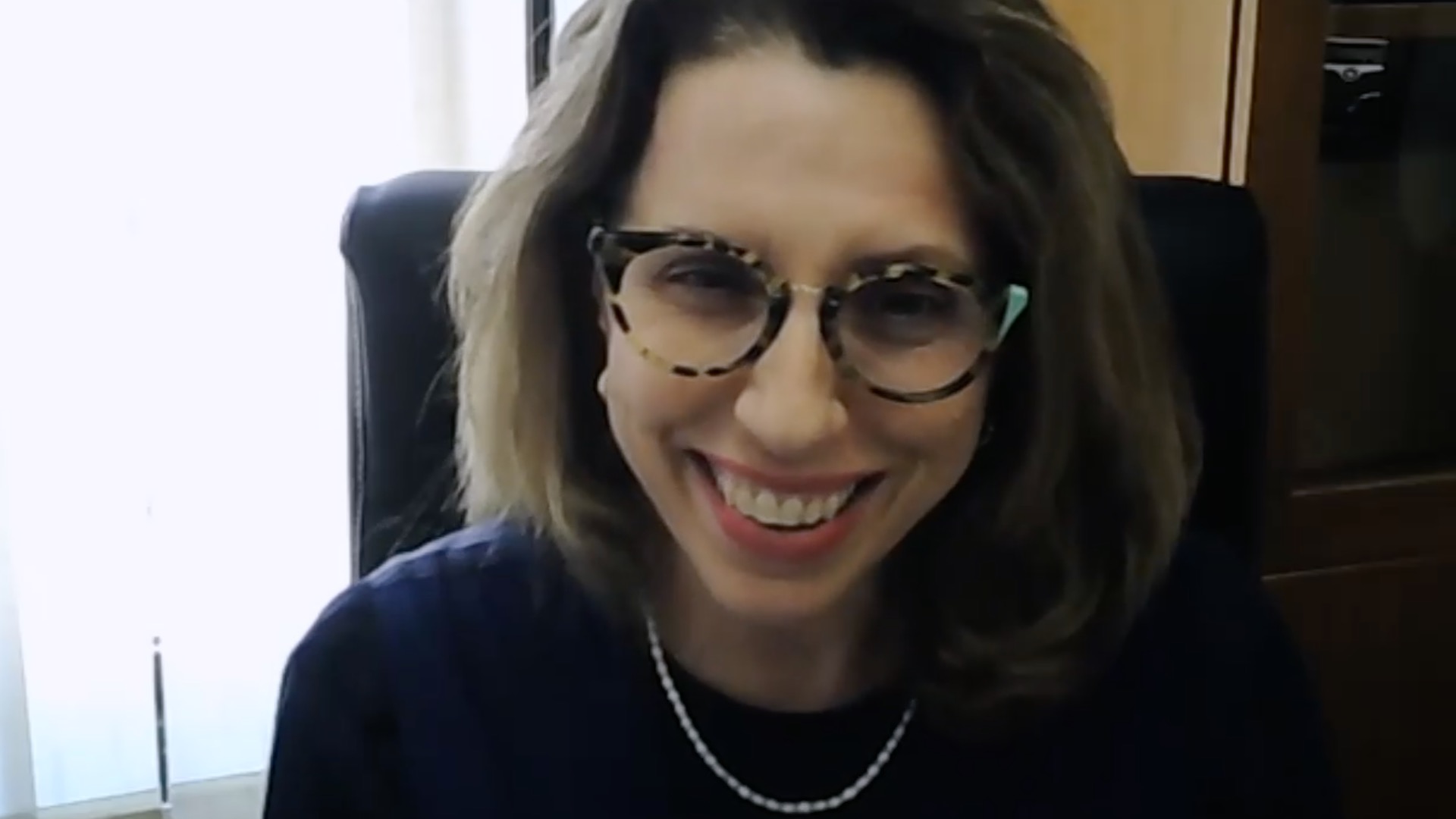
– Dr Ellis van Etten
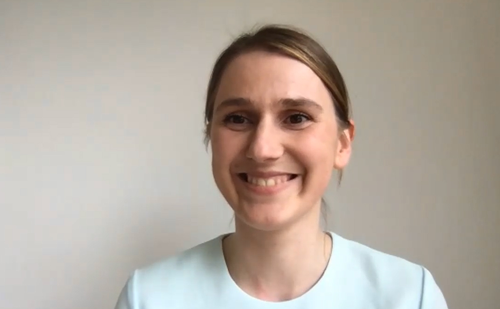
Dr Ellis van Etten, vascular neurologist and clinical scientist at Leiden University Medical Center, specializes in cerebral amyloid angiopathy and other types of cerebral small vessel disease. With early research training at J. Philip Kistler Stroke Research Center at Massachusetts General Hospital, and a PhD on cerebral amyloid angiopathy at Leiden University, she is now actively contributing to international research, including participation in a multicentre phase II trial.
Nominated as a touchNEUROLOGY Future Leader 2025, and in collaboration with the European Stroke Organisation (ESO), Dr van Etten shares her career journey and insights into the future of cerebral amyloid angiopathy treatment, highlighting the role of imaging, inflammation, and patient-driven science.
I studied medicine at Leiden University, Netherlands, and, after graduating, I worked for 1 and a half years as a Research Fellow at the J. Philip Kistler Stroke Research Center at Massachusetts General Hospital Stroke Research Center in Boston, USA. There, I first became involved in research on cerebral amyloid angiopathy (CAA). When I returned to Leiden, I started my neurology residency and my PhD on CAA.
I am now a vascular neurologist and clinical scientist at Leiden University Medical Center, focusing on small vessel disease, especially hereditary and sporadic CAA. Neurology attracted me because it combines analytical thinking with close clinical observation. Vascular neurology is a particularly dynamic and fast-developing field.
I find CAA fascinating because MRI plays such an important role in the research, I am a very visual person, and we are only just beginning to understand how CAA develops. I also enjoy working with the great international group of collaborators in this field.
In the past 10 years, the CAA group at LUMC has worked very hard to better understand the natural history and disease mechanisms of CAA. This has required a lot of effort from both our patients and our research team. The hereditary Dutch-type CAA cohort, with whom I work closely, has been crucial in this progress.
Now we are moving into a new phase, where we can start to build on this investment and test possible treatments for CAA. For example, we are now part of a multicentre phase II clinical trial for the treatment of CAA. I feel a strong responsibility to ensure the research is of the highest quality and to give the best chance of finding an effective treatment.
It is very motivating to combine patient care with working on the scientific frontier of this disease.
My PhD supervisor, Professor Marieke Wermer, has been an important mentor throughout my career. She uses her empathic leadership skills to encourage her students to think about their goals and to set ambitious targets. She helps you reach further than you would have thought possible. Her calm and friendly manner, combined with a good sense of humour, creates a supportive environment.
This guidance has helped me to grow while also enjoying my work. I also appreciate the encouragement of senior colleagues who told me they believed in my abilities, such simple words can be surprisingly influential at the start of a career.
The most exciting development for me is the growing potential to find a treatment for CAA, with several possible treatment targets now being identified. My research focuses on the role of inflammation as a possible cause of vascular damage in CAA, which is becoming more important with new Alzheimer’s disease immunotherapies.
I believe that in some cases, inflammation can also trigger an intracerebral haemorrhage, and I hope one day to prove this, because it would provide more treatment options for the prevention of intracerebral haemorrhage. These and other research ideas come from listening carefully to patients and keeping an open mind, which I think makes my work so rewarding.
More generally, finding an acute treatment for intracerebral haemorrhage, an area currently being explored by several groups worldwide, would be a major breakthrough for vascular neurology, similar to what thrombectomy and thrombolysis have meant for ischaemic stroke.
About Dr Ellis van Etten
Dr Ellis van Etten is a stroke neurologist and clinical scientist at Leiden University Medical Center (LUMC), specializing in CAA. Her research integrates clinical neurology, radiology, and epidemiology to better understand vascular damage in CAA, with a particular focus on inflammation. Following her medical training, she completed a research fellowship at Massachusetts General Hospital in Boston and earned a PhD at LUMC on early detection and disease progression in CAA.
She has developed recognized expertise in CAA-related inflammation (CAA-ri), contributing to diagnostic criteria and international treatment guidelines. She serves as secretary of the international CAA Association and co-chairs an amyloid-related imaging abnormalities (ARIA) working group. Dr van Etten is local principal investigator and unpaid steering committee member of a multicenter CAA treatment trial. She has received national and international recognition, including the ESO Fellowship, and actively contributes to the stroke research community through mentoring, teaching, and science communication.
Editor: Katey Gabrysch, Editorial Director.
Disclosures: This short article was prepared by touchNEUROLOGY in collaboration with Ellis van Etten. The content was developed and edited by human editors. No fees or funding were associated with its publication. touchNEUROLOGY utilize AI as an editorial tool (ChatGPT (GPT-4o) [Large language model]. https://chat.openai.com/chat). Ellis van Etten has nothing to disclose in relation to this interview.
Cite: Ellis van Etten. CAA, inflammation and Stroke Care with Ellis van Etten: touchNEUROLOGY Future Leader 2025. touchNEUROLOGY. 15 August 2025.
Register now to receive the touchNEUROLOGY newsletter!
Don’t miss out on hearing about our latest peer reviewed articles, expert opinions, conference news, podcasts and more.