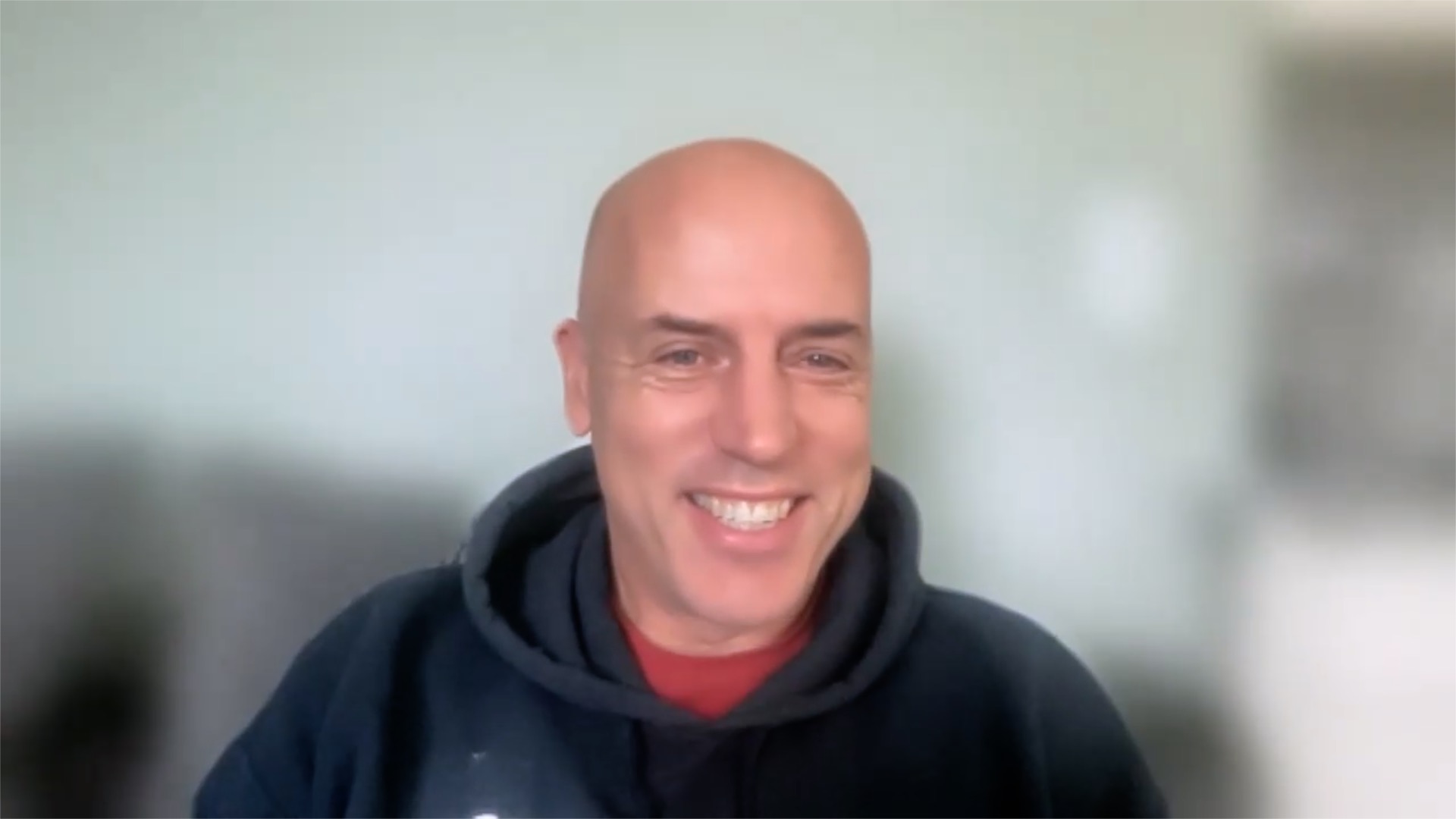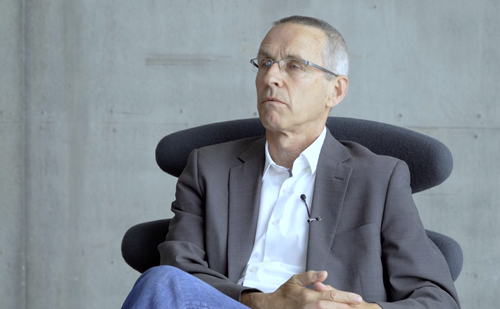

Nominated as a touchNEUROLOGY Future Leader 2025, and in collaboration with the European Stroke Organisation (ESO), Dr Björn Logi Thorarinsson, a neurologist and stroke specialist from Iceland (Landspitali University Hospital Reykjavik) has led major innovations in acute stroke care both nationally and across Europe. Currently the Chief Operating Officer of the Stroke Action Plan for Europe, Dr Thorarinsson speaks to touchNEUROLOGY about the pivotal moments that shaped his career, the transformative impact of teamwork in implementing 24/7 stroke services in Iceland, and the future of stroke care as a multi-disciplinary, protocol-driven endeavour.
I rotated within the Department of Neurology at Landspítali University Hospital, Reykjavik, near the end of my specialization training in internal medicine. I had planned to go into subspecialization training within internal medicine, but I was fascinated during this rotation by the diagnostic method of neurology, with its targeted and eloquent history taking and examination based on neuroanatomical knowledge. The broad disease spectrum in neurology made it a challenge to tackle.
Later, in specialist training in neurology at the University Hospital in Lund, Sweden, I became more and more fascinated by acute stroke treatment because it requires acute decision-making, with neuroanatomical understanding of stroke syndromes, diagnostic imaging and teamwork. However, it was not until a close relative suffered a major stroke that my interest in stroke deepened, from only the acute standpoint and work-up to all aspects of the chain of care. Building a strong chain of care in stroke is a formidable challenge, where all elements need to cooperate if outcome and quality of life are to be maximized after the acute phase. Evidence-based treatment needs to be realised and optimized through well-functioning teamwork and systems.
The most rewarding moment in my career was leading the update of the acute stroke pathway protocols and the subsequent implementation of mechanical thrombectomy at Landspítali Hospital in 2017-2019, together with my colleagues, soon after completing my subspeciality training. We had high goals, energy and optimism. We united professionals from emergency medical services (EMS), emergency reception, diagnostic imaging and intensive care unit (ICU) departments to implement all 12 recommendations of the Target: Stroke initiative from the American Heart Association (AHA). We had none of these before the project.
Only three months after implementing the project, a stroke interventional service 24/7 could be started. At that time, we were the smallest country in the world to have such a service, which also posed organizational challenges. Subsequently, we assisted all hospitals outside the capital region in updating their protocols.
This huge project was solved through teamwork, and all obstacles were tackled with resilience and flexibility. It was a true crash course in change management. The project was a total success, immediately doubling the rate of thrombolysis, reducing the median door-to-needle time from over 70 minutes to 25 minutes in intravenous thrombolysis (IVT), and starting mechanical thrombectomy. The dramatic change in care, and seeing all the teammates proud and happy, was the best.
The lessons from this project were countless, what works best and what does not. The project touched on all aspects of change management. I still draw lessons from it on how to tackle challenges and drive effective change through cooperation and teamwork.
It would be difficult to pinpoint only one mentor and one lesson having the strongest impact on me. If I had to choose, I would say that my father has had the most profound influence on me. He built up and led a comprehensive treatment service for people with addiction diseases in Iceland. I learned from him that there are no shortcuts, it is a balance of flexibility, persistence and resilience, demanding that one shall be no less comfortable with challenges than with reaching goals. Solutions to obstacles can always be found, most often through interaction with others or collective effort, sometimes when you least expect it.
I would add that it is important to understand what motivates and drives people, and how teamwork can change people, it is often the key to solving obstacles. I must also add that two leading stroke neurologists have had a major impact on me in this regard: Bo Norrving from Lund, Sweden, and Andrew Demchuk from Calgary, Canada. Both helped me tackle challenges to achieve better care in Iceland at a critical time. To sense that behind big names, with busy schedules and strong scientific records, were two extremely helpful and kind individuals, motivated and driven at their core simply to help others, to assist and to improve care for all, that meant a lot to me.
Stroke treatment has progressed enormously, with the breakthrough of stroke unit care, followed by IVT and, more recently, mechanical thrombectomy, revolutionizing the outlook for patients with acute ischaemic stroke. At the same time, smaller but significant additional options have emerged in treatment and prophylaxis that further improve outcomes.
All these, often time-sensitive innovations, must be interwoven, and that underscores the need for a well-functioning, coordinated and streamlined system of care based on protocolized, multi-professional cooperation. This is imperative if an optimal, equitable chain of care is to be provided. These continuous innovations and the resulting organizational needs have made acute stroke one of the most exciting challenges in modern healthcare systems.
About Bjorn Thorarinsson
Dr Bjorn Logi Thorarinsson is a neurologist and stroke specialist from Iceland, recognized for his leadership in developing acute stroke care systems nationally and across Europe. He currently serves as Chief Operating Officer of the Stroke Action Plan for Europe, overseeing the largest improvement initiative of the European Stroke Organisation and Stroke Alliance for Europe.
He has driven transformative initiatives, including the establishment of Iceland’s 24/7 mechanical thrombectomy service and nationwide stroke pathway optimisation. An active member of the ESO Stroke Unit Certification Committee and the EAN Scientific Panel on Stroke, he was recently nominated by the Executive Committee of the Nordic Stroke Society as a candidate for Chair, with the election to be held at the 2025 Nordic Stroke Conference. His work reflects a passion for translating evidence-based innovations into practical, team-driven solutions that improve patient outcomes across the entire stroke care pathway.
Editor: Katey Gabrysch, Editorial Director.
Disclosures: No funding was received in the publication of this article. This content has been developed independently by Touch Medical Media for touchNEUROLOGY. Views expressed are the speaker’s own and do not necessarily reflect the views of Touch Medical Media.
Cite: Stroke pathway transformation in Iceland, with Bjorn Thorarinsson: touchNEUROLOGY Future Leader 2025. touchNEUROLOGY. 14 August 2025.
Register now to receive the touchNEUROLOGY newsletter!
Don’t miss out on hearing about our latest peer reviewed articles, expert opinions, conference news, podcasts and more.