Abstract
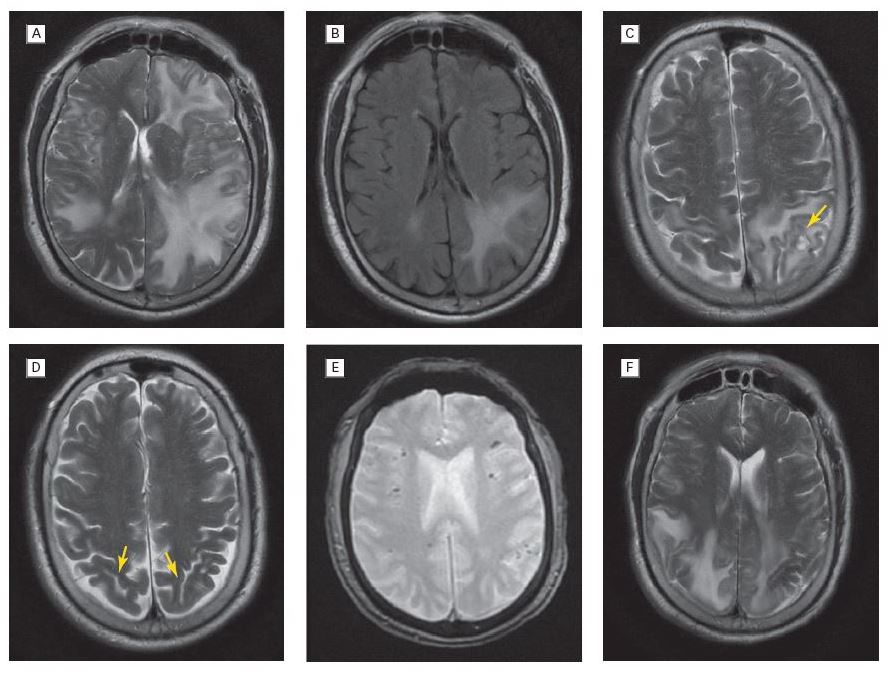
A heavy burden of white matter hyperintensities (WMH) is a risk factor for stroke and vascular cognitive impairment making it important to understand their pathophysiology, aetiology and clinical implications. Ageing studies suggest a linear relationship between blood pressure (BP) and both WMH and microstructural integrity in normal-appearing white matter and, after age, hypertension is the strongest risk factor for WMH. Numerous large population-based observational studies have reported significant associations between elevated BP and WMH burden, however, the relative importance of systolic versus diastolic BP remains controversial. Limitations of prior studies include the use of only a single measurement of BP and oversimplifying hypertension as a dichotomous variable. Race/ethnic differences in the association between BP and WMH have been suggested, but most studies only included older Caucasians. Antihypertensive treatment has been demonstrated to slow WMH progression, but lowering BP in the elderly may also reduce brain perfusion in those with poor autoregulation. Ongoing trials aim to clarify the effects of BP treatment on WMH progression in multi-ethnic populations and the implications of these findings for stroke prevention require further study.
To view the full article in PDF or eBook formats, please click on the icons above.