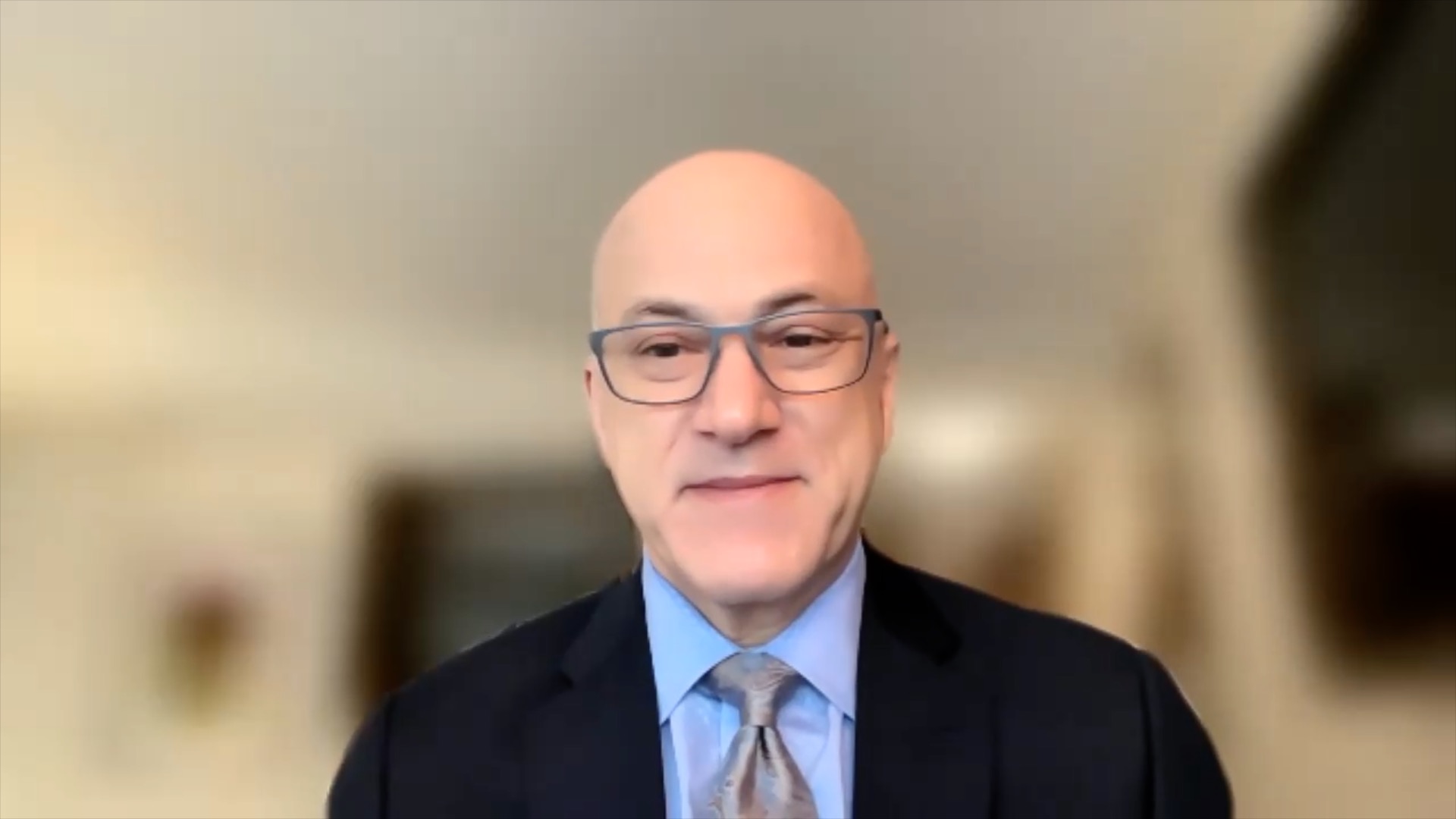
We are delighted to announce Dr Ahmed Abdelhak as a touchNEUROLOGY Future Leader 2026, selected by peers as one of the neurologists changing the future of research in blood biomarkers in multiple sclerosis.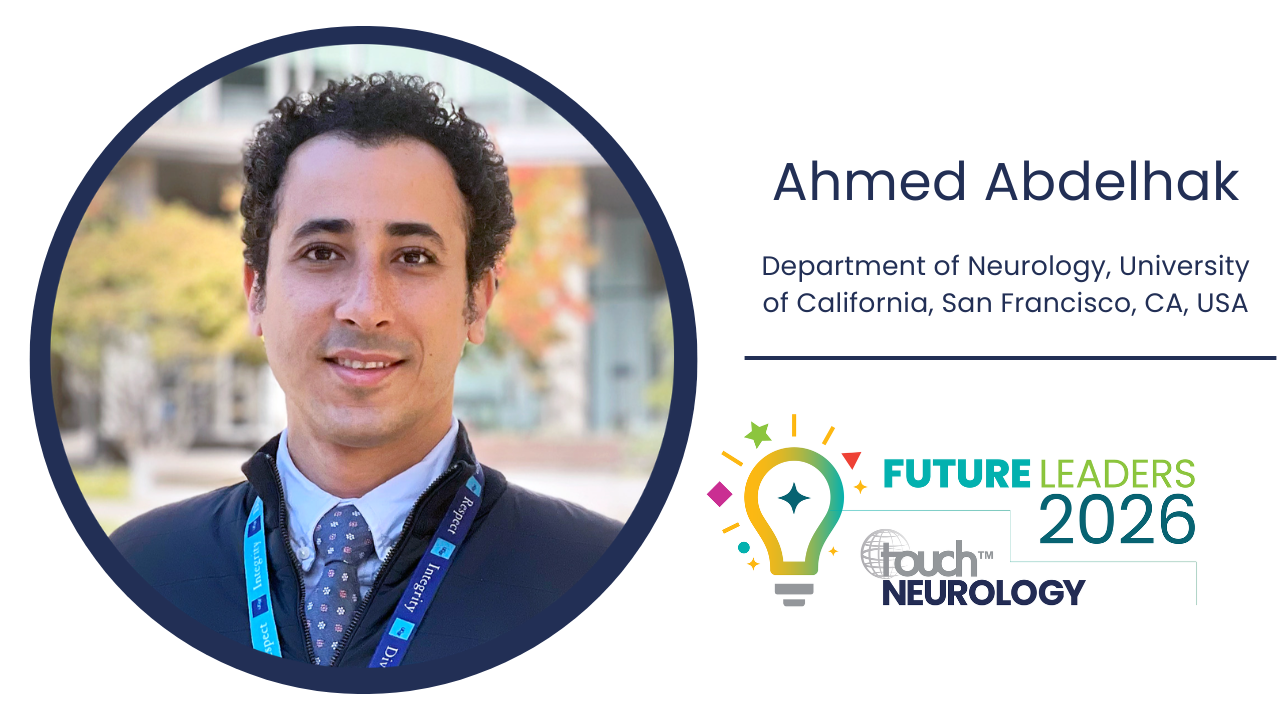
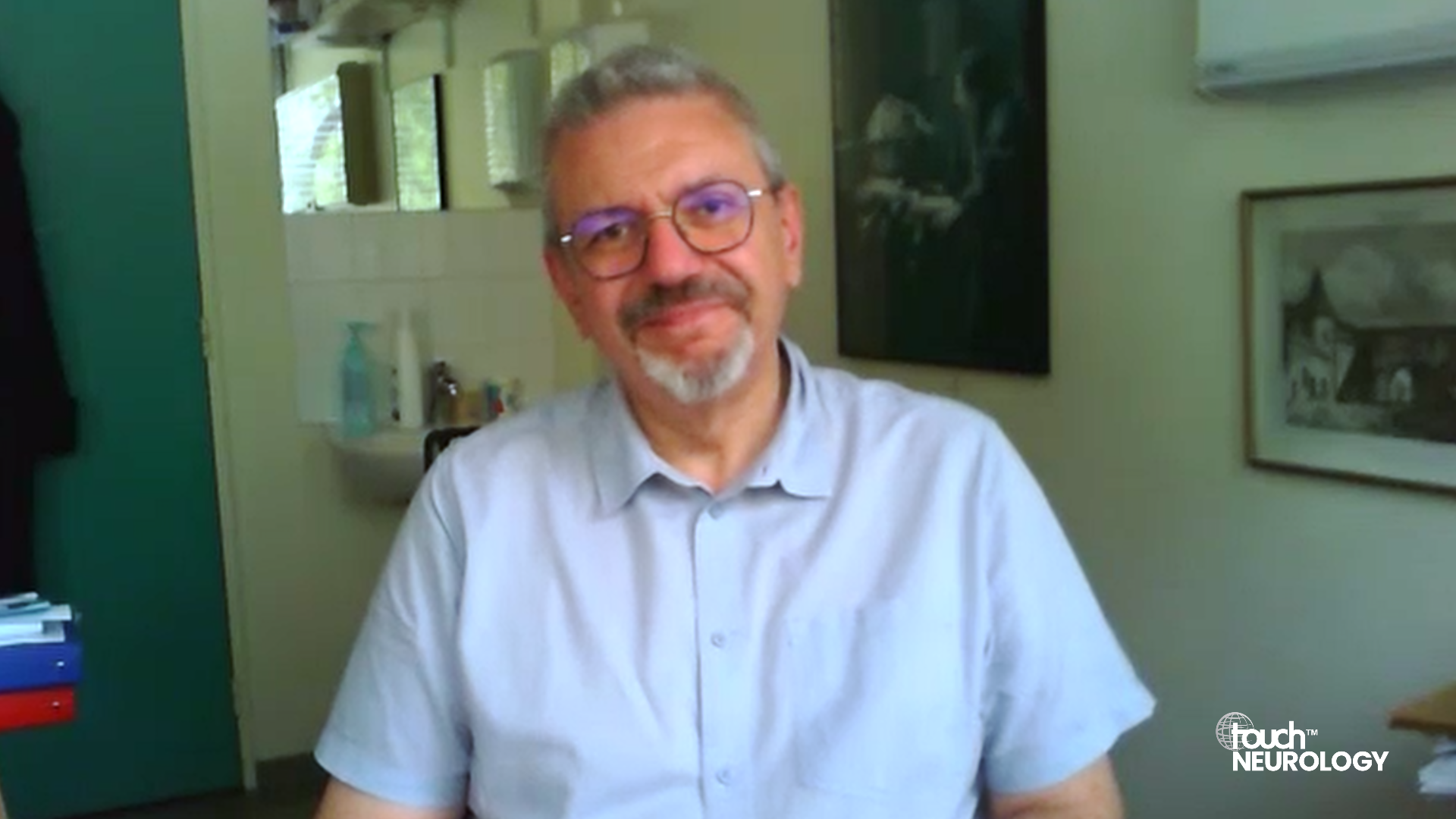
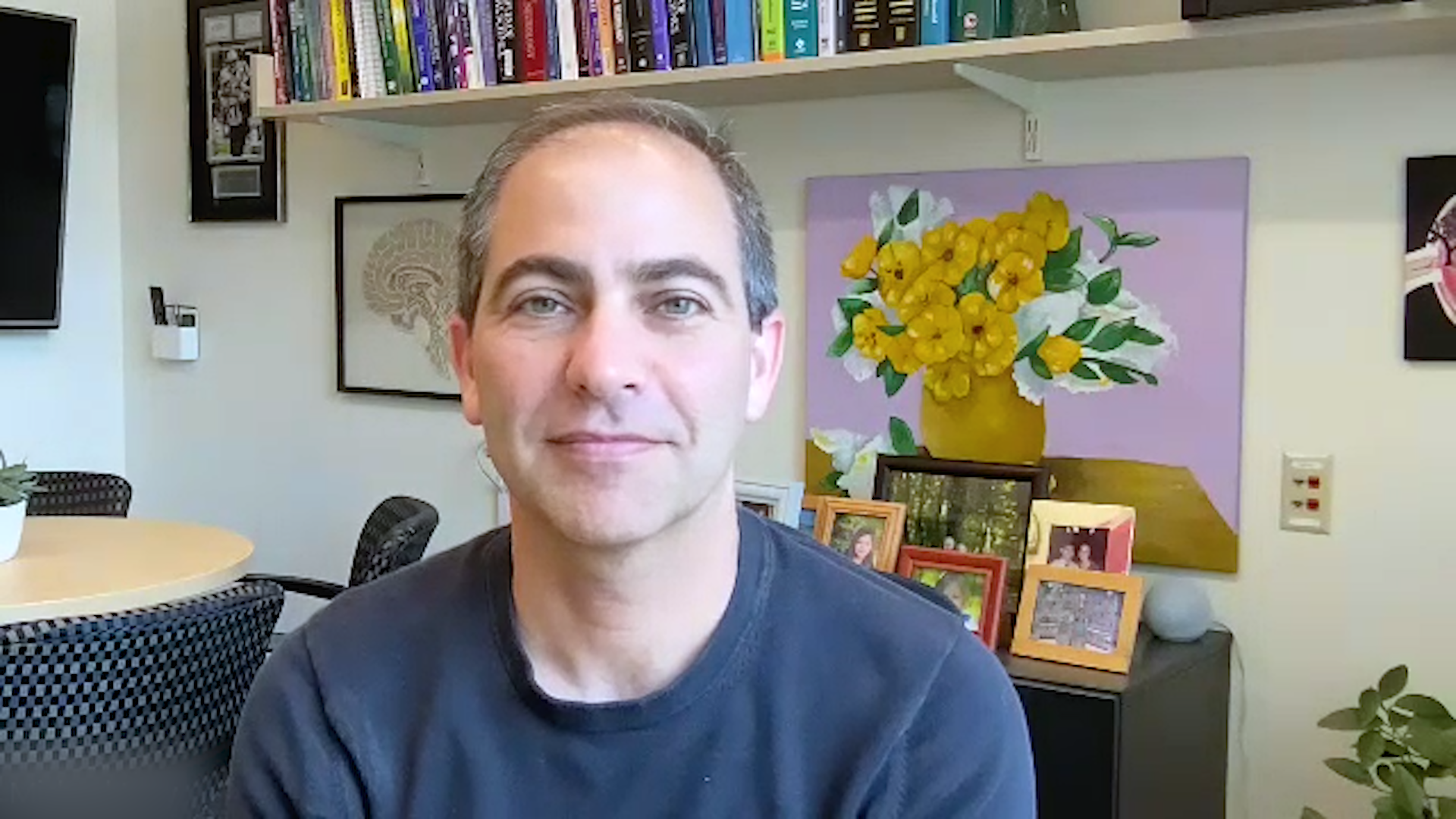
We spoke with Dr Ahmed Abdelhak (Department of Neurology, University of California, San Francisco [UCSF], San Francisco, CA, USA), an assistant professor, attending neurologist and clinician-scientist specializing in neuroimmunological disorders. His translational research focuses on identifying the earliest biological changes in neurological disease and developing reliable biomarkers that can predict disease progression and treatment response. Combining expertise in assay development, targeted protein detection and advanced proteomic profiling, Dr Abdelhak’s laboratory aims to improve our understanding of neuronal injury, support earlier diagnosis and advance more personalized treatment strategies for neurological disorders, including multiple sclerosis (MS).
In this interview, Dr Abdelhak reflects on the experiences that inspired his career in neurology, the mentors who have shaped his scientific journey and why he believes advances in blood biomarkers and glial biology will transform the future of MS care.
What inspired you to pursue a career in neurology?
I studied medicine in Egypt, where the curriculum begins with three to four years of basic sciences before moving into clinical training. During those early years, I became fascinated by neuroscience from both a scientific and philosophical perspective. The idea that everything we experience, feel and do ultimately arises from electrical signaling between neurons was remarkable to me, and it sparked a lasting interest in the nervous system.
My first clinical rotation was in neurology, where I cared for two young patients whose experiences had a profound impact on me. One had MS, and the other had experienced a stroke. Seeing how neurological disease could dramatically affect people at such a young age reinforced my decision to pursue neurology.
I have always been motivated by discovering new things and understanding biological processes that are not yet fully explained. Although there has been tremendous progress in neurology, it remains a complex field with many unanswered questions. That sense of discovery continues to motivate me today.
“Research offers the opportunity to improve our understanding of neurological diseases and ultimately benefit many more patients than those we see individually.”
After graduating from medical school in Egypt, I moved to Germany to complete my neurology residency alongside research training. From the outset, I knew I wanted my career to combine patient care with research. While caring for individual patients is incredibly rewarding, research offers the opportunity to improve our understanding of neurological diseases and ultimately benefit many more people.
When I was in Germany, the field of blood biomarkers was beginning to undergo a major transformation. Highly sensitive technologies were emerging that allowed us to measure proteins in blood that had previously only been detectable in cerebrospinal fluid. Around that time, we published one of the first studies exploring the role of glial fibrillary acidic protein (GFAP) as a biomarker for monitoring MS progression.
As these technologies continued to evolve, it became clear there was still so much to learn, not only about newly discovered biomarkers, but also about what they tell us regarding disease biology. That curiosity ultimately brought me to the University of California, San Francisco (UCSF), where I completed a postdoctoral fellowship focused on biomarker research.
It is an incredibly exciting environment to pursue translational neuroscience, to establish my laboratory and continue investigating how biomarkers can improve our understanding and management of neurological disease
What has been the most rewarding moment in your journey so far?
I do not think I have had my “eureka” moment yet, but there have been many rewarding experiences throughout my career.
From a clinical perspective, one of the most meaningful moments is how to help patients deal with the fear and uncertainty that come when they get the diagnosis of MS. Many arrive believing the disease will completely change the life they had imagined for themselves. Being able to explain the progress that has been made in the field, thanks to the work of many outstanding scientists, and to discuss treatments that can help people continue living the lives they had planned is incredibly rewarding. Seeing that initial fear replaced with hope is something I never take for granted.
Research has been equally rewarding. Every time we make a discovery that has the potential to improve patient care or deepen our understanding of the biological mechanisms driving MS, it reminds me why I chose this career. Even when the impact may not be immediate, contributing another piece to the puzzle is immensely satisfying.
“One of the most rewarding aspects of research is seeing independent groups replicate your findings. It is not competition, it is how we move the field forward together.”
One of the most rewarding aspects of research is seeing independent groups replicating your findings and using discoveries you contributed to advance science further. Rather than viewing this as competition, I see it as confirmation that we are moving the field forward together and, ultimately, brings us closer to improving patient care.
Which current innovations or developments in neurology excite you most for the future?
Focusing specifically on multiple sclerosis (MS), one of the most exciting developments is that we are beginning to look beyond the traditional role of immune cells and better understand the contribution of other glial cells within the central nervous system.
For many years, MS research focused primarily on the immune system. Today, however, we are increasingly recognizing that glial cells are not simply bystanders in the disease process. They actively contribute to both tissue damage and repair, opening entirely new avenues for understanding disease biology and developing therapies.
This shift in thinking is already influencing treatment development, with some of the newer MS therapies targeting these pathways. I believe this represents a major step forward for the field.
Closely linked to this is the growing focus on repair. Researchers at the University of California, San Francisco (UCSF), and other institutions worldwide, have spent years trying to understand how we can promote repair within the central nervous system. While we do not yet have approved therapies that achieve this, our understanding of these biological processes has advanced considerably. I am optimistic that we will see major progress in this area over the coming years.
From my own perspective, I believe this is also one of the most exciting times to be working in blood biomarker research.
When I began my research career, the introduction of highly sensitive analytical technologies allowed us to measure one or two biomarkers in blood with sufficient sensitivity. Since then, these technologies have advanced at an extraordinary pace.
Today, we can simultaneously measure 5,000–10,000 proteins from a blood sample using only a fraction of the sample volume that was previously required. This gives us an unprecedented opportunity to monitor biological processes occurring in the immune system, the brain and other organs by analyzing soluble proteins circulating in the blood.
My laboratory is heavily focused on leveraging these technologies, analyzing thousands of patient samples, understanding the biology behind the new markers we are discovering and help bring those to the clinic.
I believe these advances will fundamentally transform our understanding of MS. More broadly, I expect blood biomarker technologies to reshape how we diagnose, monitor and understand not only neurological diseases, but many conditions across medicine over the next decade.
Closing thoughts
Looking back, what continues to motivate me is the opportunity to combine clinical care with discovery.
Every patient teaches us something new, and every research finding has the potential to improve the care we provide. Bringing those two worlds together, understanding disease mechanisms while caring for patients, is what continues to make neurology such an exciting field.
I believe we are entering a remarkable era for neurological research. New technologies, improved biomarkers and a deeper understanding of disease biology are already transforming clinical practice. It is a privilege to be part of that journey, and I am excited to see where the field goes next.
More content in multiple sclerosis
Cite: Dr Ahmed Abdelhak on transforming multiple sclerosis care through biomarker discovery: touchNEUROLOGY Future Leader 2026. touchNEUROLOGY. 24 March 2026.
Editor: Katey Gabrysch, Editorial Director.
Disclosures: Ahmed Abdelhak has received grant/research support from NMSS, NINDS, and DMSG; is on the advisory board for Genentech, Sanofi, and Roche; has received honoraria/honorarium from Roche, and Sanofi.
The content was developed and edited by human editors. No fees or funding were associated with its publication. touchNEUROLOGY utilize AI as an editorial tool (ChatGPT (GPT-4o) [Large language model]. https://chat.openai.com/chat).
This content has been developed independently by Touch Medical Media for touchNEUROLOGY in collaboration with Ahmed Abdelhak. Views expressed are the speaker’s own and do not necessarily reflect the views of Touch Medical Media.
SIGN UP to touchNEUROLOGY!
Join our global community today for access to thousands of peer-reviewed articles, expert insights, and learn-on-the-go education across 150+ specialties, plus concise email updates and newsletters so you never miss out.