
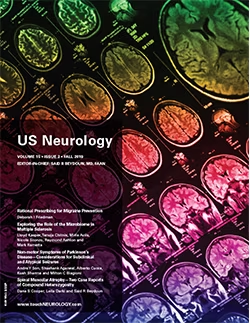
US Neurology – Volume 15 Issue 2 – Fall 2019
Welcome to the Fall 2019 edition of US Neurology!
This edition is introduced by Editorial Board member Rebecca Gilbert (Chief Scientific Officer of the American Parkinson Disease Association [APDA]), who has also contributed a special report summarizing a recent APDA Diversity in Parkinson’s Disease Research Conference.
This latest selection of articles cover pertinent topics across epilepsy, Parkinson’s disease, migraine, multiple sclerosis and spinal muscular atrophy. We trust you’ll find something of interest.
As always, we’d love to hear from you if you’re an expert in the field with work you wish to share; please visit our submission site for more information.
Thanks and enjoy!
Foreword
Welcome to the fall edition of US Neurology. This edition features a diverse range of topical articles covering many therapeutic areas relevant to neurologists and other practitioners involved in the care of patients with neurological illness. We begin with an expert interview with Ruben Kuzniecky on the subject of the Human Epilepsy Project, which aims […]
Expert Interview

Epilepsy is an important cause of disability and mortality, and affects around 50 million people worldwide.1 Focal seizures, which originate in only one part of the brain, account for around 80% of all epileptic seizures.2 Treating epilepsy, however, is challenging since the types, severity, frequency, and impact of unprovoked seizures vary from person to person. […]
Special Report

Parkinson’s disease (PD) is a progressive neurodegenerative disorder, with an average age of onset of 56, that causes abnormalities both in motor and non-motor functioning. Clinical features that affect motor function include bradykinesia, rigidity, resting tremor, gait abnormality, and postural instability. Clinical features that affect non-motor function include cognitive dysfunction, depression, anxiety, sleep disorders, orthostatic […]
Reviews
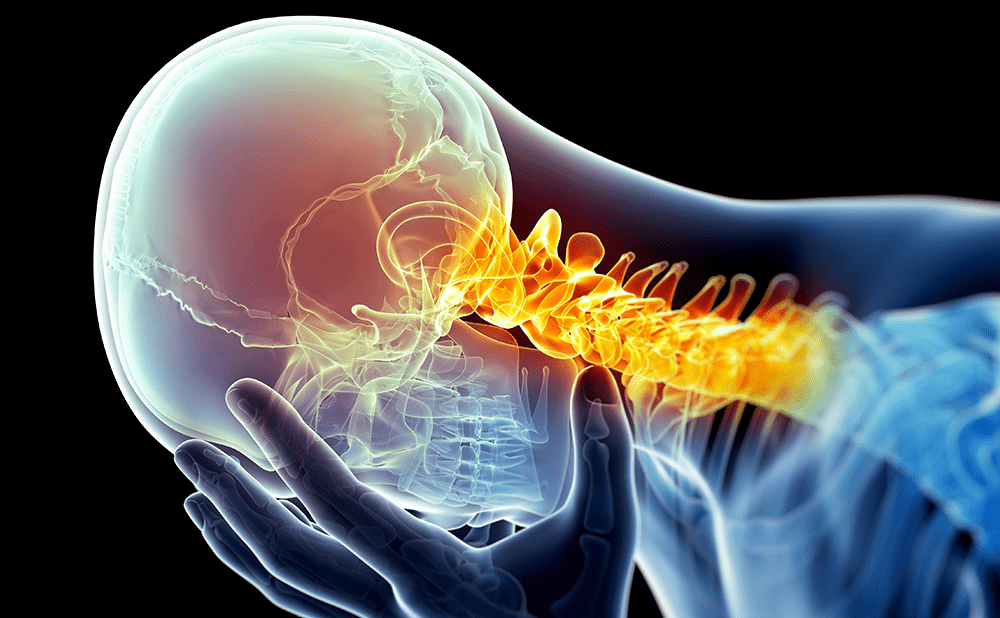
Headache is the second most common reason children seek neurological care in the USA.1 Migraine can affect children of all ages, and by the age 10, it affects more than 5% of children in the USA.1 Before puberty, it affects both boys and girls equally; however, post-puberty migraine is more prominent in females at a […]
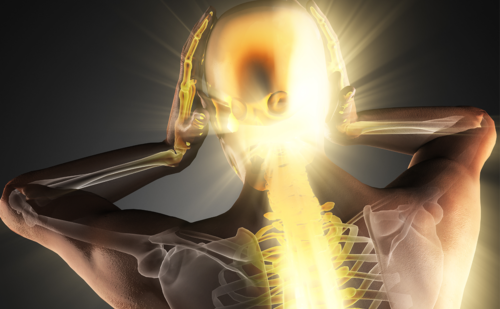
Migraine prevention medication is recommended for: (1) frequent headaches (generally defined as at least four migraines per month that are associated with some degree of impairment); (2) migraines that significantly interfere with a patient’s daily activities despite acute treatment; (3) migraine with brainstem aura and hemiplegic migraine independent of frequency; (4) contraindication to, treatment failure […]
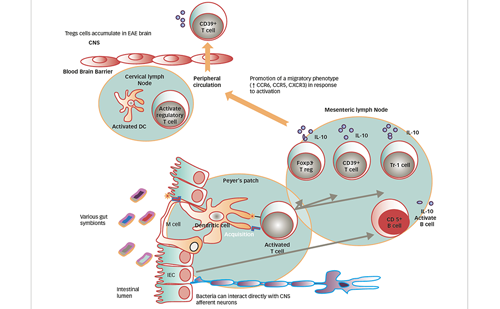
Multiple sclerosis (MS) involves inflammation, demyelination and neurodegeneration of the central nervous system (CNS) and is characterized by variable degrees of axonal loss and gliosis.1 Lesions occur in both the white and grey matter. Generally, the overall incidence of MS and other chronic autoimmune disorders has increased in the last 100 years.2 The incidence and […]

Parkinson’s disease (PD) is a multifaceted neurodegenerative disease that progressively affects individuals’ mobility. In addition to the cumulative motor disability, a plethora of non-motor symptoms (NMS-PD) can be encountered at different stages of the disease. Some of these NMS-PD are indeed regarded as significant determinants of the patient’s quality of life, functional independence, and overall […]
Case Report
Spinal muscular atrophy (SMA) is a progressive neuromuscular disorder affecting approximately 1 in 10,000 births. It is characterized by predominantly proximal muscle weakness as a result of degeneration of anterior horn cells of the spinal cord.1 In most patients with SMA, the disease is caused by a homozygous deletion or mutation of the telomeric survival […]

Trending Topic
It is my pleasure to introduce the 2025 of touchREVIEWS in Neurology, which brings together an exceptional collection of reviews, original research and congress highlights that reflect the continued evolution of neurological science and clinical innovation. This issue opens with Jelle Demeestere and Sarah Gorey’s editorial on the 2025 European Stroke Organisation Conference (ESOC), which […]
Journal Archive
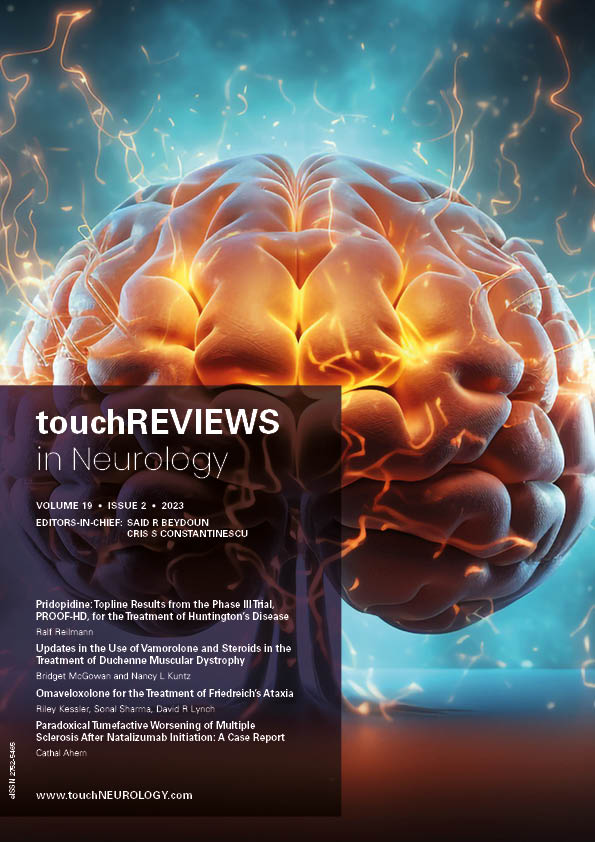
touchREVIEWS in Neurology is a peer-reviewed, free-to-access, bi-annual neurology journal comprising review articles, case reports, practice guides, theoretical discussions, and original research. It features balanced and comprehensive articles written by leading authorities, addressing the most important and salient developments in the field of neurology.

Log into your Touch Account
Keep track of your clinical interests and newsletter subscriptions.
Sign up with an Email
Or use a .
Register now for FREE access
Already registered? Login below.