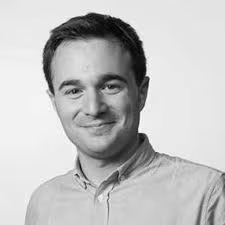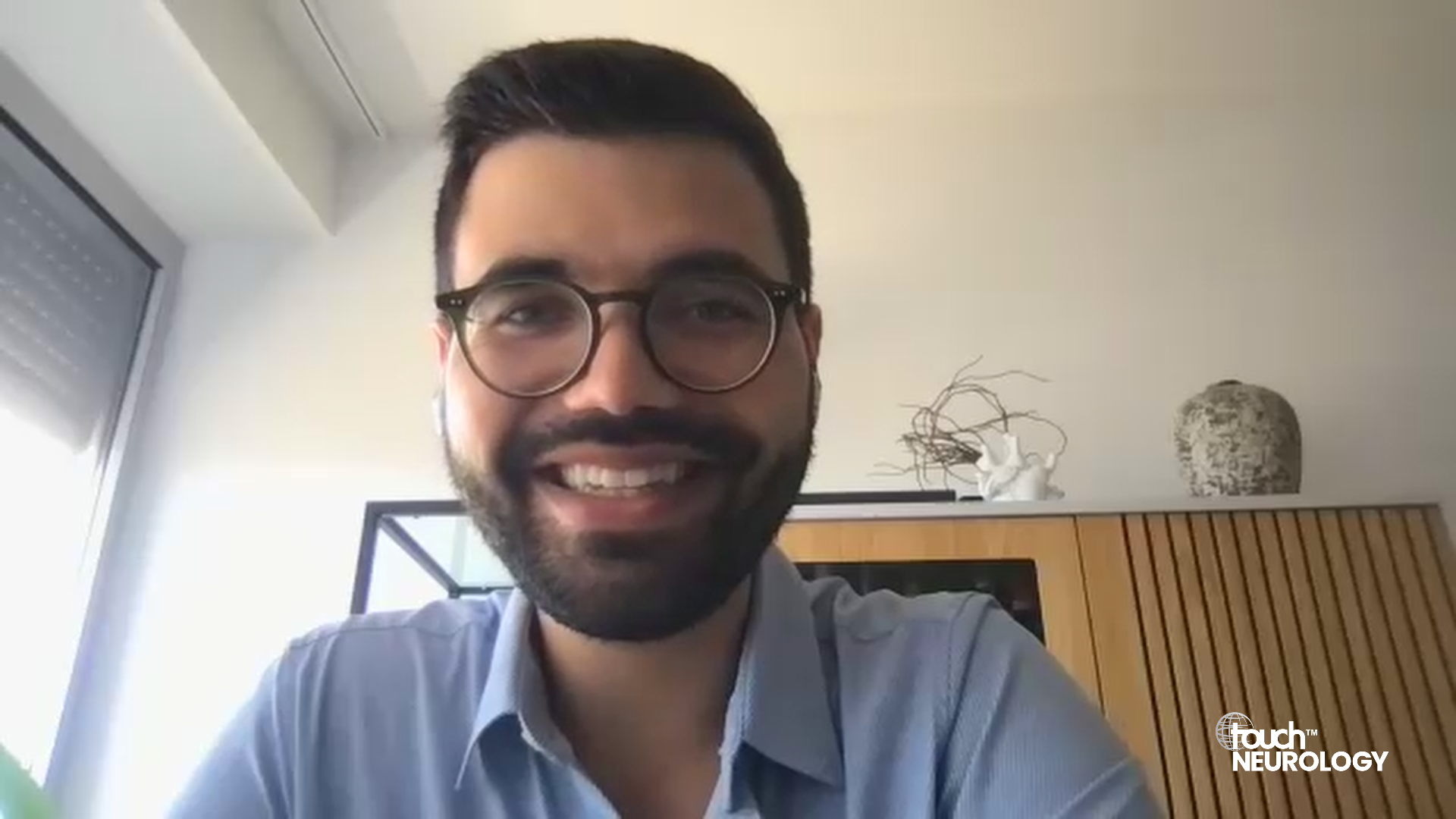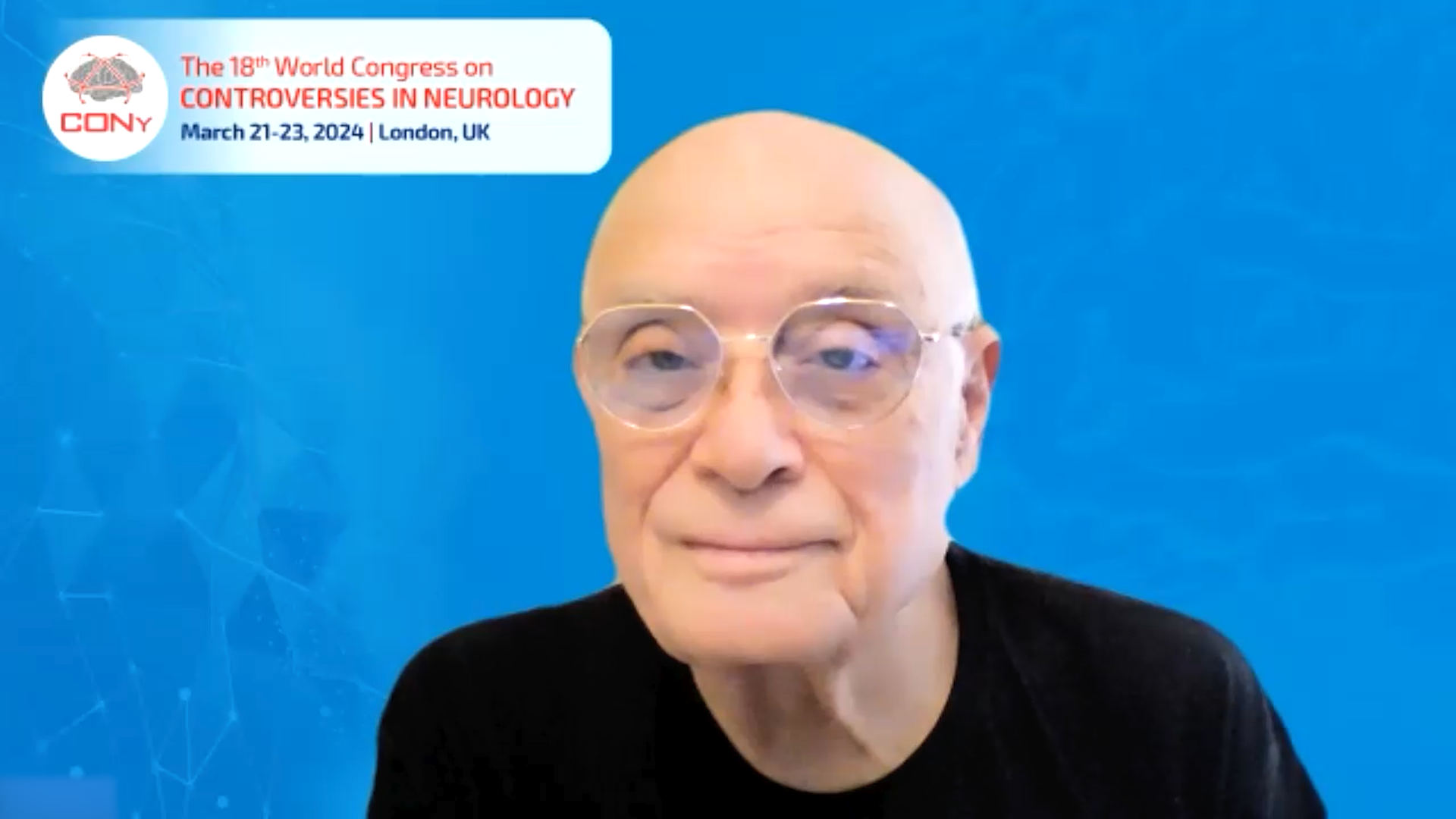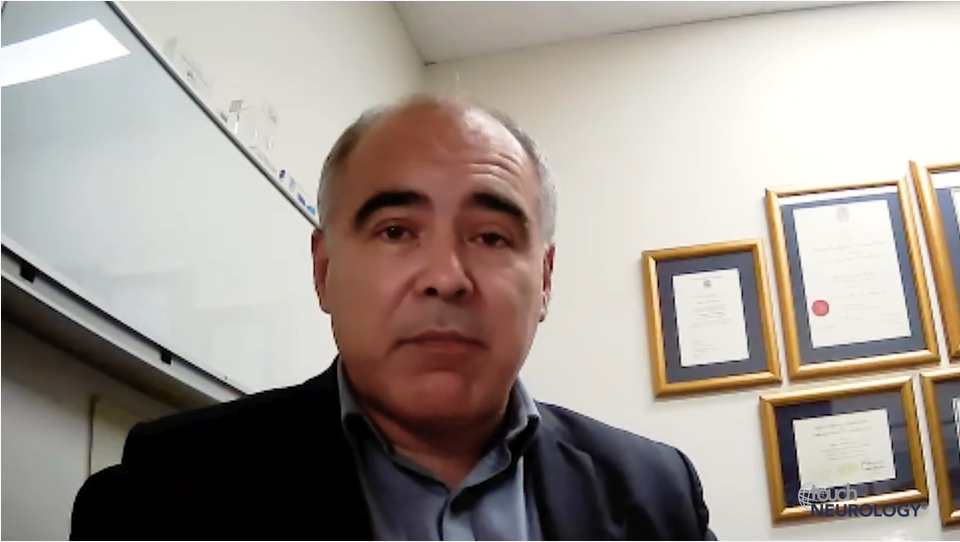
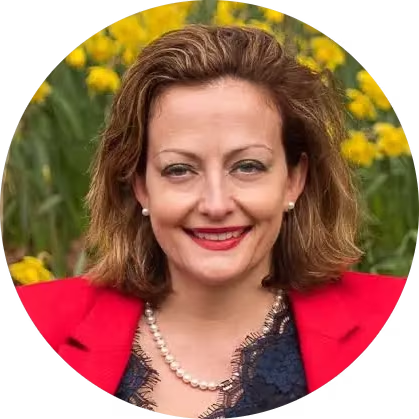
Nominated as a touchNEUROLOGY Future Leader 2025, we met with Dr Antonella Macerollo, Consultant Neurologist at The Walton Centre NHS Foundation Trust and Honorary Clinical Associate Professor at the University of Liverpool, UK. With a specialist focus on movement disorders and advanced neuromodulation therapies such as deep brain stimulation (DBS) and MRI-guided focused ultrasound, Dr Macerollo shares her personal journey into neurology, the mentors who shaped her path, and her vision for more equitable, personalized neurological care.
This nomination was proudly supported by Parkinson’s Europe.
I realized I wanted to become a neurologist during my second year of medical school in Bari, my hometown in Southern Italy. I was fascinated by neuroanatomy, and that passion only deepened after studying neurophysiology.
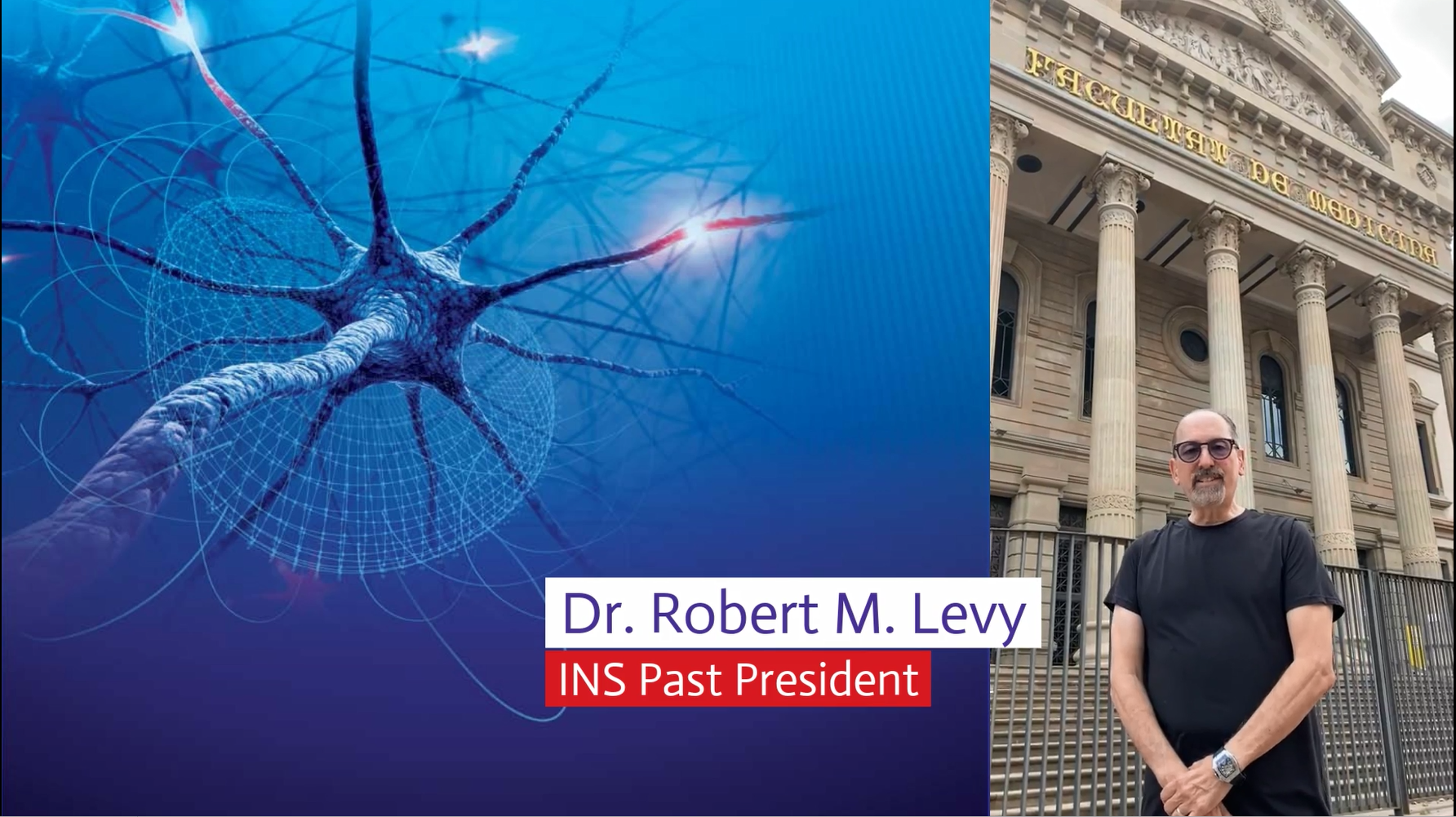
In the third year of medical school, I chose to focus on movement disorders for my thesis project and joined a team working on lower limb dystonia. At that time, I was mentored by Prof. Davide Martino, who was a PhD student, who had just returned from a fellowship at UCL with Prof. Kailash Bhatia. That connection truly shaped my career path in a unique way. Meeting Davide and hearing about his international experiences and his passion for academic work encouraged me to pursue opportunities abroad.
While I’ve had several mentors throughout my career, Prof. Davide Martino played a pivotal role in my early development. He guided me through writing my first paper and inspired me with stories of international research. Coming from a non-medical family, I had limited exposure to academic medical pathways, so his influence was significant and unique in that specific time of professional life.
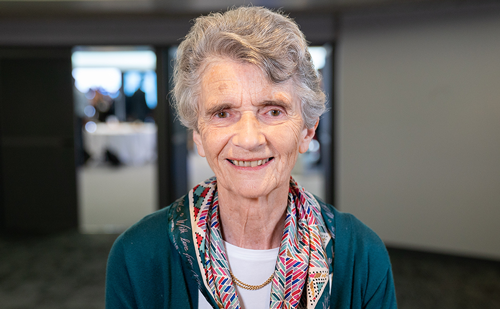
Later, I trained in London with Professor Bhatia, gaining experience in rare movement disorders and botulinum toxin therapy. During that time, I met Dr Amit Batla, who was the senior fellow in Prof. Bhatia’s group at that time and guided me in settling in a new academic environment. I then joined Prof. Mark Edwards’ team, where I developed my neurophysiology skills and eventually completed a PhD in deep brain stimulation for Parkinson’s disease, co-supervised by Prof. Edwards and Prof. Patricia Limousin.
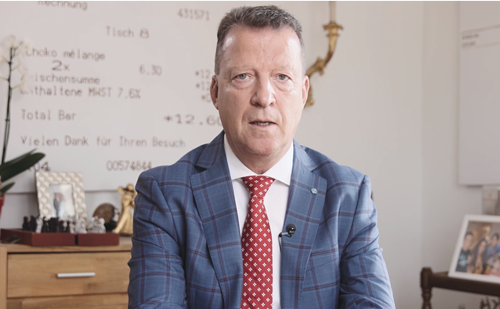
A crucial year in my career was 2015 when I co-funded with other colleagues the resident and research fellows section of the European Academy Neurology (EAN) under the supervision and support of Professor Guenther Deuschl (first President of the EAN) and Professor Hannah Cock. It was a crucial experience that led me to engage with educational activities of the EAN with Professor Cock and, subsequently, to be involved in the communication committee under different roles with Professor Elena Moro, who was the Editor of the EANpage and the EAN website at that time. Being part of the EAN family, gave me the unique opportunity to be mentored and, then, collaborate with Prof. Moro and Prof. Deuschl in the field of neuromodulation for movement disorders.
More recently, after moving to Liverpool, I’ve had the precious opportunity to learn how to establish new neuromodulation services, develop multidisciplinary team, optimise the use of routine clinical data for research under the mentorship of Dr Jibril Osman-Farah, Consultant Neurosurgeon and lead of the neuromodulation service at the Walton Centre.
The field of neuromodulation is evolving rapidly, especially in deep brain stimulation (DBS). I’m particularly excited by innovations such as:
- Neuroimaging-guided software, which supports more precise electrode placement for surgeons and more effective programming for neurologists.
- Sensing-enabled DBS systems that use local field potentials to guide adaptive programming.
- MRI-guided Focused ultrasound techniques, which offer incisionless alternatives for treating essential tremor and Parkinson’s disease.
These tools are helping us individualise care, improve surgical outcomes, and expand treatment access for patients who may not have been candidates previously.
My research focuses on identifying clinical, neurophysiological, and neuroimaging biomarkers that can help us predict surgical outcomes in movement disorders. I hope this work contributes to:
- Improved patient selection for advanced therapies like DBS and focused ultrasound.
- Stronger connections between primary care, general neurologists, and tertiary centres.
- Better integration of precision medicine into daily practice.
Ultimately, I believe this will lead to more personalized treatment pathways, improved resource allocation, and better outcomes for patients.
In addition, one of my key areas of interest is tackling health inequalities in access to neurology services, particularly surgical treatments. In the UK, access to advanced therapies is not always equitable, and I am working closely with colleagues across different centres to map service availability and ensure we address these disparities.
About Dr Antonella Macerollo
Dr Antonella Macerollo is a Consultant Neurologist at the Walton Centre NHS Foundation Trust, and Clinical Associate Professor at the University of Liverpool.. She completed her medical training at University of Bari (Italy) and theneurology residency jointly at the University of Bari and University College of London.Later, she undertook a PhD in Neuroscience at UCL under the supervision of Professors Patricia Limousin and Mark Edwards.
Her clinical and academic interests focus on movement disorders, with particular expertise in deep brain stimulation and MRI-guided focused ultrasound. She has also developed a specialist service in Tourette syndrome, co-leading the first neurology-neuropsychiatry clinic of its kind in the North West.
Dr Macerollo s the recipient of multiple awards including the AAN International Scholarship Award (2015) and the EAN Investigator Award (2016). A committed educator, she co-founded the EAN Residents and Research Fellows Section, and has held several editorial roles. She is Regional Lead for Parkinson’s UK Excellence Network (North West) and NIHR Specialty Lead for Neurological Disorders.
Editor: Katey Gabrysch, Editorial Director.
Disclosures: This short article was prepared by touchNEUROLOGY in collaboration with Antonella Macerollo. The content was developed and edited by human editors. No fees or funding were associated with its publication. touchNEUROLOGY utilize AI as an editorial tool (ChatGPT (GPT-4o) [Large language model]. https://chat.openai.com/chat). Antonella Macerollo has nothing to disclose in relation to this interview.
This content has been developed independently by Touch Medical Media for touchNEUROLOGY. Views expressed are the speaker’s own and do not necessarily reflect the views of Touch Medical Media.
Cite: Antonella Macerollo. Advancing neuromodulation with Antonella Macerollo: touchNEUROLOGY Future Leader 2025. touchNEUROLOGY. 02 October 2025.
Register now to receive the touchNEUROLOGY newsletter!
Don’t miss out on hearing about our latest peer reviewed articles, expert opinions, conference news, podcasts and more.