Stroke remains one of Europe’s most urgent yet under-addressed public health challenges. As the World Health Organization’s Global Status Report on Neurology (2025) confirms, stroke is now the world’s leading cause of neurological health loss, accounting for over 1.1 million cases and 460,000 deaths each year across Europe.1
This October, policymakers, clinicians, researchers, and patient advocates gathered at the European Parliament in Brussels for the event “Closing the Gaps in Stroke Care: A Call to Action for Europe.” Jointly hosted by MEP Billy Kelleher (Ireland) and MEP Romana Jerković (Croatia), alongside the European Stroke Organisation (ESO) and the Stroke Alliance for Europe (SAFE), the meeting highlighted the urgent need to align national and EU health strategies around one cohesive framework, the Stroke Action Plan for Europe (SAPE).2
This report is written collaboration with the ESO and SAFE.
Source: European Stroke Organisation (ESO) and Stroke Alliance for Europe (SAFE). Closing the Gaps in Stroke Care: A Call to Action for Europe. Press release issued 15 October 2025, Brussels.
A shared call for change
The Brussels event underscored the growing consensus that stroke prevention and care must become a core pillar of the EU Cardiovascular Health Plan and wider brain health strategies.
Speakers from the European Parliament, the European Commission’s Directorate-General for Health & Food Safety (DG SANTE), the Organisation for Economic Co-operation and Development (OECD), and patient representatives described persistent inequalities in stroke care, where access to prevention, treatment, and rehabilitation continues to depend heavily on geography.

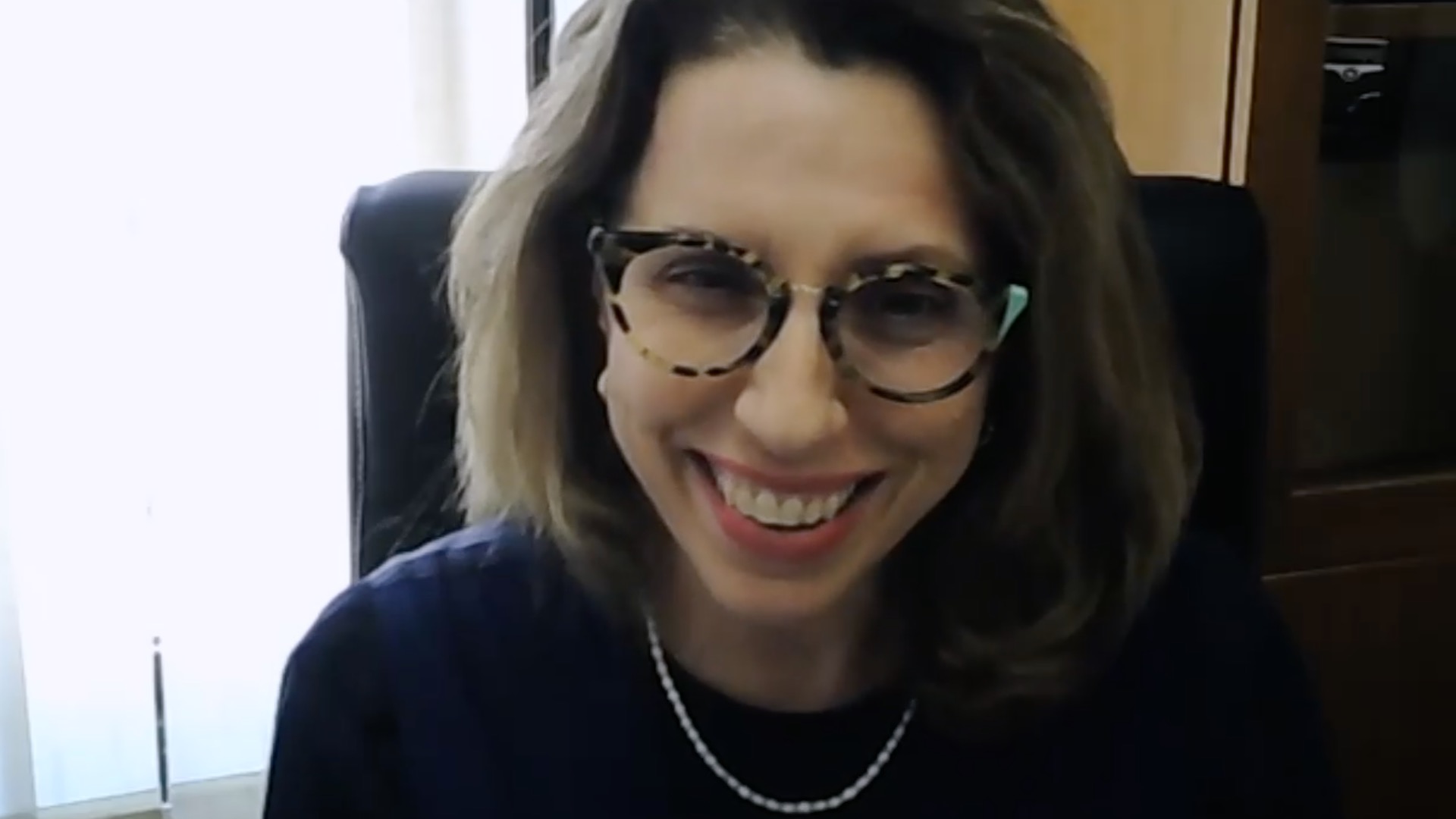
“With the upcoming publication of the Stroke Action Plan for Europe, we now have a clear roadmap. What we need is EU leadership to turn this evidence into action.”– Arlene Wilkie, Director General of SAFE.
The Stroke Action Plan for Europe: A framework for progress
Developed by ESO and SAFE, the SAPE provides a roadmap for reducing stroke incidence, mortality, and disability by 2030.3
The plan identifies five priority areas where concerted action is needed:
Prevention: Implementing systematic screening for hypertension and atrial fibrillation, and promoting knowledge exchange across Member States.
Acute care: Expanding access to dedicated stroke units, emergency coordination, and life-saving interventions such as thrombolysis and thrombectomy.
Rehabilitation: Ensuring early, multidisciplinary rehabilitation and scaling up community-based and outpatient services with EU support.
Life after stroke: Embedding long-term recovery, mental health, and reintegration services into national health frameworks.
Research and monitoring: Establishing EU-wide registries, performance indicators, and embedding stroke in EU research and innovation agendas.

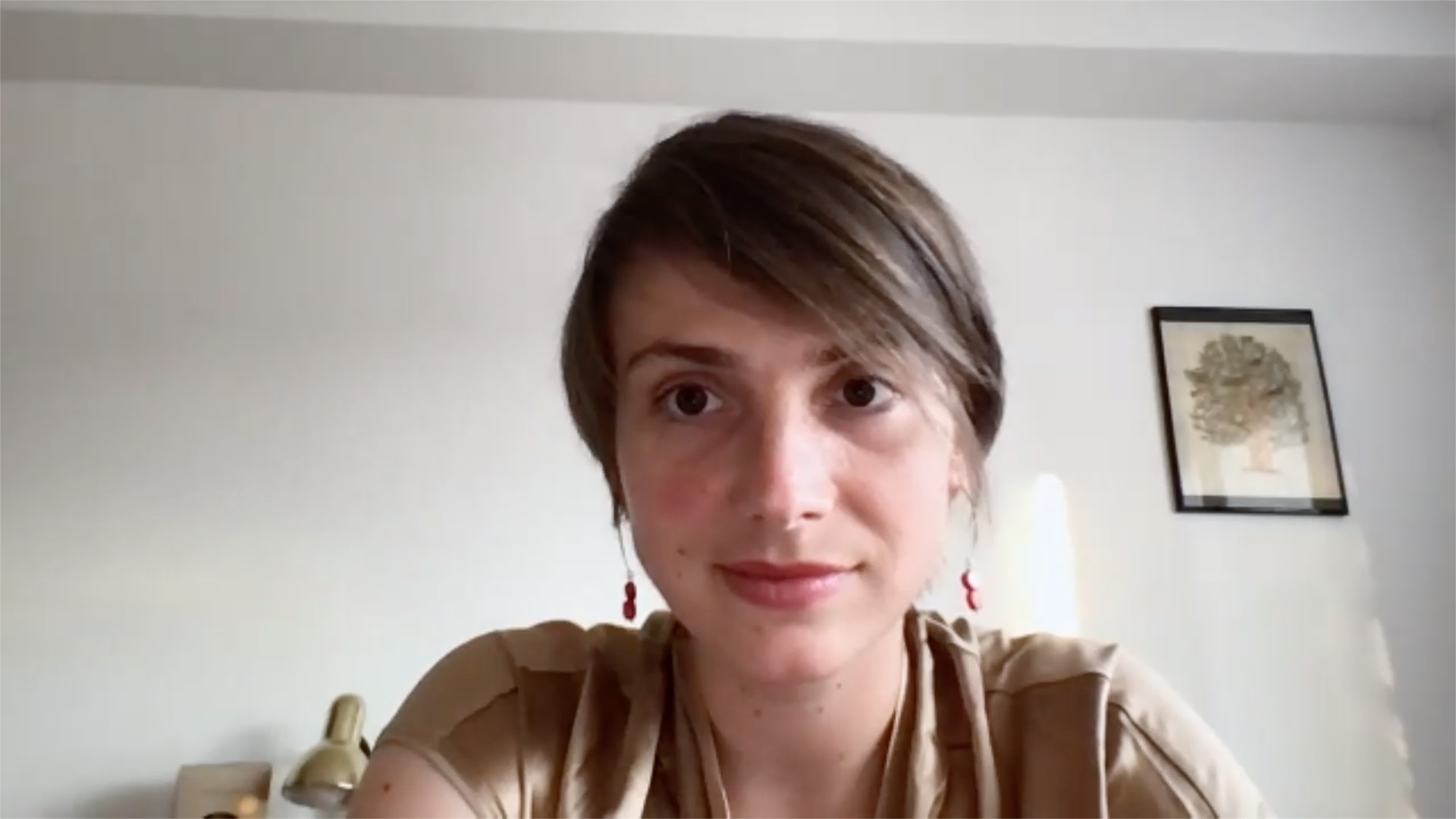
“This is the moment to move from fragmented efforts to a coordinated European approach.”– Professor Simona Sacco, President of ESO
Human stories behind the statistics
Personal experience added emotional depth to the policy discussions. Associate Professor Melinda B. Roaldsen, a physician and stroke scientist from Norway living with the long-term effects of stroke, shared her perspective on the lived realities of recovery and the importance of equitable care:

“Too many Europeans are left to navigate complex health systems on their own, facing barriers to rehabilitation, returning to work and rebuilding their lives,”
“By bringing stroke into the heart of EU health policy, policymakers have an opportunity to ensure that every person, no matter where they live, has timely access to treatment and long-term support. This is about dignity, independence and hope for millions.”
– Prof. Melinda B. Roaldsen, University Hospital of North Norway, Norway
Europe’s stroke burden and opportunity
Stroke is the second leading cause of death and the leading cause of adult disability in Europe. The continent faces a projected economic burden of €86 billion by 2040, making investment in prevention and coordinated care both a moral and economic imperative.4
Both ESO and SAFE are advocating for the inclusion of stroke-specific targets in upcoming EU health frameworks. These include measurable indicators within the EU Beating Cancer Plan, European Health Data Space, and EU Research and Innovation Programmes, ensuring that stroke receives the cross-sectoral policy recognition it demands.5,6,7
About the collaborating organizations
The European Stroke Organisation (ESO)
ESO is a pan-European society of stroke researchers, clinicians, and national organizations dedicated to improving stroke prevention, treatment, and recovery. By advancing professional excellence, fostering public awareness, and advocating for political change, ESO aims to harmonize stroke management across Europe and reduce the burden of disease worldwide.
Learn more: www.eso-stroke.org
The Stroke Alliance for Europe (SAFE)
SAFE represents over 30 national stroke support organisations and serves as the unified voice of people affected by stroke in Europe. Through advocacy, education, and awareness initiatives, SAFE works to reduce the incidence and impact of stroke, aiming for a future where preventable strokes are eliminated and all survivors live their best possible lives.
Learn more: www.safestroke.eu
Key takeaways
As Europe prepares to shape the next decade of cardiovascular and brain health policy, stroke must be recognized as a central priority.
The ESO-SAFE partnership continues to bridge science, policy, and patient advocacy, translating evidence into action to ensure equitable access to prevention, treatment, and life after stroke.
With SAFE now providing a structured pathway, the message from Brussels is clear: collaboration, data, and leadership can transform the outlook for millions affected by stroke across Europe.
Related content
- Stroke pathway transformation in Iceland, with Björn Thorarinsson
- Evolving frontiers of vascular neurology with Antonio Ciacciarelli
- Closing the stroke care gap: ESO’s strategic vision and AI integration plans – Presidential update
References:
-
World Health Organization. Global Status Report on Neurology. Geneva: World Health Organization; 2023. Available at: https://www.who.int/publications/i/item/9789240116139 (Accessed 20 October 2025).
-
Stroke Alliance for Europe (SAFE). Stroke Takes Centre Stage at a European Parliament Event – A Call to Close the Gaps in Stroke Care Across Europe. 16 October 2025. Available at: https://www.safestroke.eu/2025/10/16/stroke-takes-centre-stage-at-a-european-parliament-event-a-call-to-close-the-gaps-in-stroke-care-across-europe/ (Accessed 20 October 2025).
-
European Stroke Organisation (ESO). Stroke Action Plan for Europe. Available at: https://eso-stroke.org/projects/stroke-action-plan/ (Accessed 20 October 2025).
-
Stroke Alliance for Europe (SAFE). SAFE Recommendations. Available at: https://strokeeurope.eu/recommendations/safe-recommendations/ (Accessed 20 October 2025).
-
European Commission. Europe’s Beating Cancer Plan. Luxembourg: Publications Office of the European Union; 2021. Available at: https://health.ec.europa.eu/system/files/2022-02/eu_cancer-plan_en_0.pdf (Accessed 20 October 2025).
-
European Commission. European Health Data Space (EHDS) Regulation. Available at: https://health.ec.europa.eu/ehealth-digital-health-and-care/european-health-data-space-regulation-ehds_en (Accessed 20 October 2025).
-
European Commission. Horizon Europe Funding Programme. Available at: https://research-and-innovation.ec.europa.eu/funding/funding-opportunities/funding-programmes-and-open-calls/horizon-europe_en (Accessed 20 October 2025).
This content has been developed independently by Touch Medical Media for touchNEUROLOGY, in collaboration with ESO and SAFE. Views expressed are the speaker’s and society’s own and do not necessarily reflect the views of Touch Medical Media.
Acknowledgements: This report is written collaboration with the European Stroke Organisation (ESO) and the Stroke Alliance for Europe (SAFE).
Editor: Katey Gabrysch, Editorial Director.
Disclosures: This short article was prepared by touchNEUROLOGY in collaboration with ESO and SAFE. The content was developed and edited by human editors. No fees or funding were associated with its publication. touchNEUROLOGY utilize AI as an editorial tool (ChatGPT (GPT-4o) [Large language model]. https://chat.openai.com/chat).
Cite:
Register now to receive the touchNEUROLOGY newsletter!
Don’t miss out on hearing about our latest peer reviewed articles, expert opinions, conference news, podcasts and more.