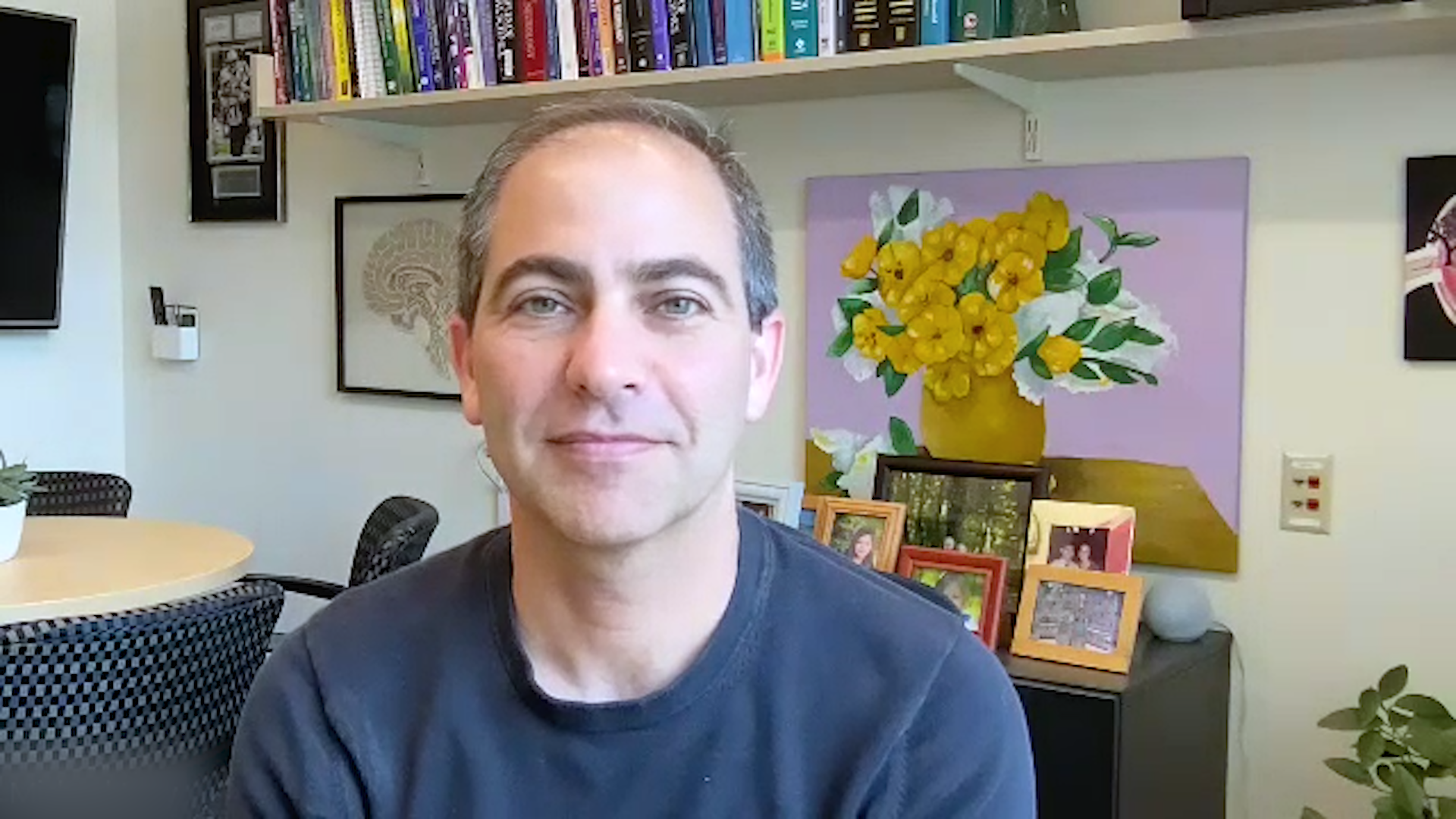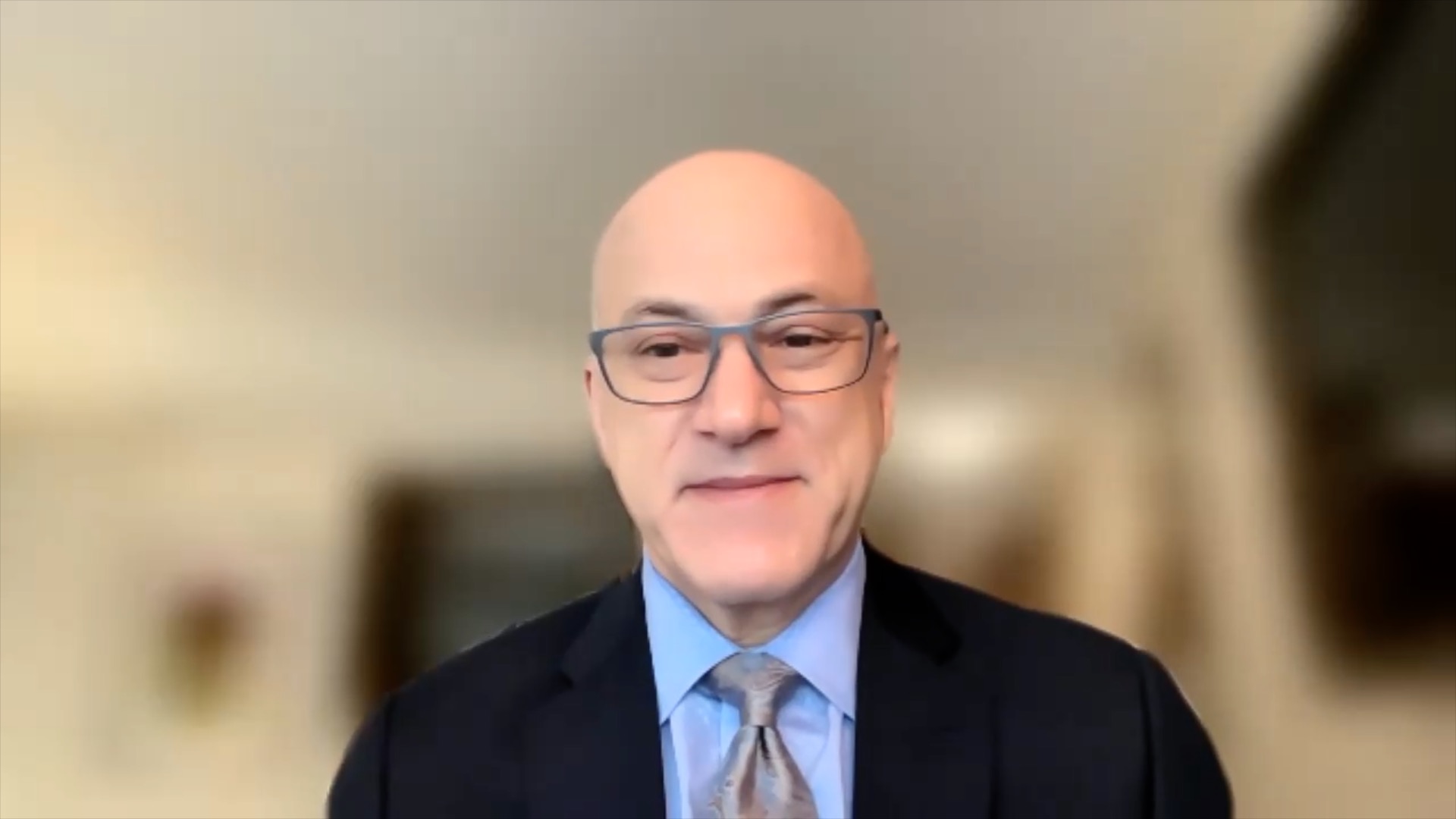
We are delighted to announce Dr Elias Sotirchos as a touchNEUROLOGY Future Leader 2026, selected by peers as one of the neurologists changing the future of neuroimmunological disorders research
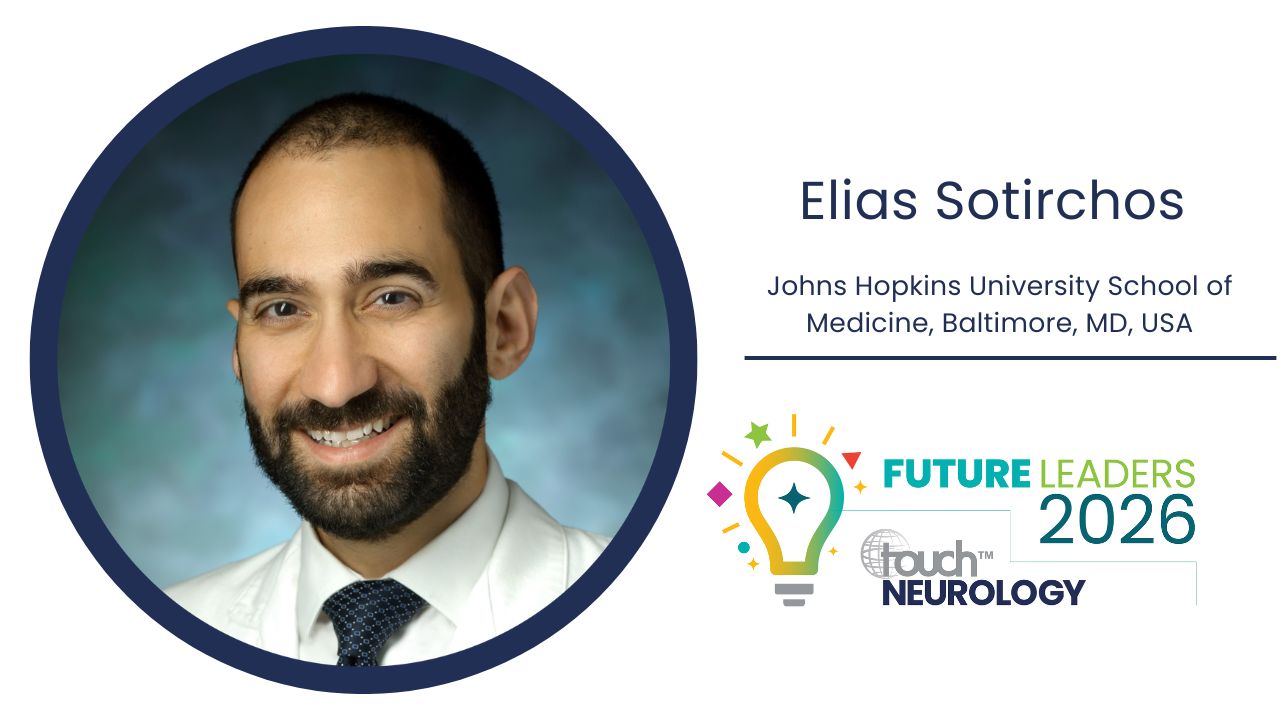 We spoke with Dr Elias Sotirchos (Johns Hopkins University School of Medicine, Baltimore, MD, USA), an Associate Professor of Neurology specializing in neuroimmunological disorders of the central nervous system, including multiple sclerosis (MS), neuromyelitis optica spectrum disorder (NMOSD) and myelin oligodendrocyte glycoprotein antibody-associated disease (MOGAD). His research focuses on developing and validating novel imaging and blood-based biomarkers, as well as evaluating emerging therapeutic approaches through clinical trials. He currently co-leads the multicenter TIMELY-PLEX trial, which is investigating early versus rescue plasma exchange for the treatment of transverse myelitis and optic neuritis.
In this Future Leaders interview, Dr Sotirchos reflects on the experiences that inspired his career in neuroimmunology, the privilege of caring for patients with chronic neurological diseases and the therapeutic advances he believes will shape the future of the field.
What inspired you to pursue a career in neurology?
During my preclinical training, I became fascinated by the complexity of the nervous system through my neuroanatomy classes and how a strategically located lesion can manifest as seemingly unrelated, yet interconnected, symptoms and signs.
At the same time, I found immunology to be an equally fascinating field and became captivated by the immune system’s remarkable ability to distinguish friend from foe, as well as how this process becomes disrupted in autoimmune diseases.
Given these interests, neuroimmunology became an obvious career choice. That decision was further strengthened through caring for patients with neuroimmunological diseases and by witnessing the impact of multiple sclerosis on a close family member over time. Together, these experiences inspired me to dedicate my career to this field.
What has been the most rewarding moment in your journey so far?
Caring for patients with neuroimmunological diseases has been the most rewarding part of my career.
These conditions often affect people at a young age and are life-changing, lifelong diseases. As a result, I have the privilege of developing long-term relationships with my patients, which is one of the aspects of my work that I value most.
I find it incredibly rewarding to support patients not only as they manage their disease, but also as they pursue their education, build careers and start families while living with a chronic neurological condition.
I am fortunate to practice in an era where effective treatments now exist for many of these disorders, and I find it immensely rewarding to witness many of my patients living full and vibrant lives despite their condition. These successes also inspire my commitment to research to expand treatment options to improve the lives of those patients who are less fortunate.
Which current innovations or developments in neurology excite you most for the future?
There are many things to be excited about in the field of neuroimmunology, and I truly believe we are on the brink of major breakthroughs. Over the past two decades, we have made enormous progress in understanding the mechanisms that drive central nervous system (CNS) neuroimmunological diseases, alongside remarkable advances in therapies that prevent relapses and disability.
However, most of our current therapies broadly target the immune system rather than the specific immune cells responsible for disease, which can lead to unwanted adverse effects. Therapies that selectively target pathogenic immune cell populations, or induce antigen-specific immune tolerance, have the potential to achieve disease remission while minimizing these side effects. I am particularly excited by the growing pipeline of therapies pursuing these approaches.
At the same time, although our current treatments are highly effective at preventing relapses, we still lack therapies that directly protect neurons or promote remyelination.
There has been a major focus on research to decipher the mechanisms underlying neuronal degeneration in CNS neuroimmunological diseases, while simultaneously developing neuroprotective and remyelinating therapies.
I am very hopeful that these advances will be translated into clinical practice and become available to our patients over the coming decade.
More content in neuroimmunology
Cite: Dr Elias Sotirchos on advancing precision therapies in MS, MOGAD, and NMOSD: touchNEUROLOGY Future Leader 2026. touchNEUROLOGY. 08 July 2026.
Editor: Katey Gabrysch, Editorial Director.
Disclosures: Elias Sotirchos
The content was developed and edited by human editors. No fees or funding were associated with its publication. touchNEUROLOGY utilize AI as an editorial tool (ChatGPT (GPT-4o) [Large language model]. https://chat.openai.com/chat).
This content has been developed independently by Touch Medical Media for touchNEUROLOGY in collaboration with Elias Sotirchos. Views expressed are the speaker’s own and do not necessarily reflect the views of Touch Medical Media.
SIGN UP to touchNEUROLOGY!
Join our global community today for access to thousands of peer-reviewed articles, expert insights, and learn-on-the-go education across 150+ specialties, plus concise email updates and newsletters so you never miss out.