© EHC 2025
The 19th European Headache Congress (EHC25) was held in Lisbon and brought together headache specialists, researchers and healthcare professionals from across Europe and beyond. Under the theme Transforming challenges into solutions, the congress focused on translating advances in headache science into meaningful improvements in clinical care.
The meeting addressed key challenges in the prevention, diagnosis and treatment of headache and facial pain disorders, with an emphasis on bridging basic science, translational research and real-world clinical practice.
Full 2025 Abstract booklet available here
From mechanisms to clinical decision-making
A central objective of EHC25 was to connect advances in headache pathophysiology with practical clinical application. Sessions explored developments in biomarkers, trigeminal pain pathways and neuroinflammation, alongside discussion of how these insights can inform diagnosis, stratification and treatment selection in migraine and other headache disorders.
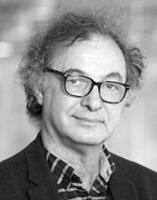
As Congress Co-Chair Professor Raquel Gil-Gouveia (Lisbon, Portugal) noted, the programme was designed to move from mechanistic understanding to practice, while maintaining a clear focus on patient-centred care. Dedicated sessions addressed the needs of specific populations, including children, women across the reproductive life course and patients with comorbid conditions.
Evolution of treatment strategies
Treatment innovation was a prominent theme throughout the congress. Updates were presented on monoclonal antibodies, neuromodulation and emerging therapeutic approaches, accompanied by discussion on how best to define meaningful treatment outcomes. In particular, speakers examined whether treatment goals should extend beyond symptom reduction towards the aspiration of complete pain freedom.
Conditions that remain challenging to manage were also addressed, including cluster headache, post-traumatic headache, vestibular migraine, trigeminal neuralgia and headache–sleep interactions. Broader lifestyle and biological influences, such as sex differences, diet, weight and the microbiome, highlighted the expanding scope of headache research beyond traditional pharmacological strategies.
Education, skills development and collaboration
© EHC 2025
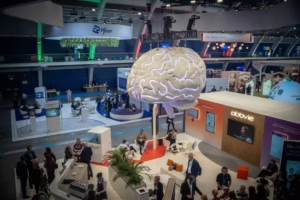
Education and professional development were key components of EHC25. Daily teaching courses combined evidence-based instruction with practical application, including hands-on training using anatomical models to support procedural skills such as nerve blocks. “Meet the expert” sessions, methodological workshops and interactive discussions supported clinicians and researchers at different stages of their careers.
The congress also showcased a strong research presence, with more than 700 abstract submissions presented across 19 poster sessions. These sessions provided a forum for discussion and collaboration between early-career investigators and established researchers and remain a central feature of the European Headache Congress.
A forward-looking field
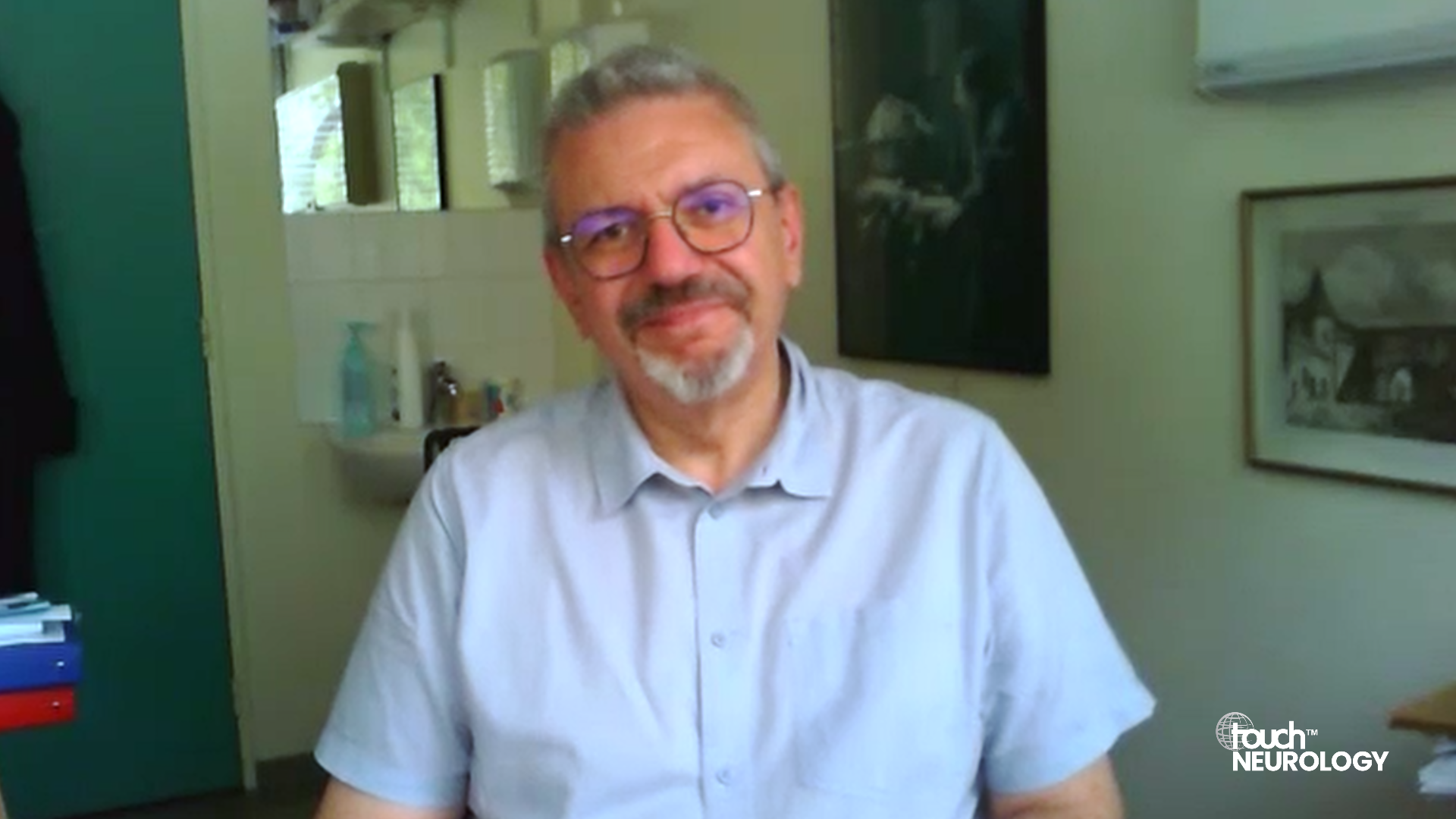
Reflecting on the meeting, Congress Co-Chair Dr Christina Deligianni (Athens, Greece) highlighted that EHC25 brought together the full spectrum of headache medicine, from molecular research to holistic, patient-centred care. The active participation of early-career clinicians and scientists contributed to a dynamic and forward-looking atmosphere, underscoring the role of innovation, digital tools and multidisciplinary collaboration in shaping the future of the field.
Overall, EHC25 reinforced the importance of integrating scientific discovery with clinical experience to address ongoing challenges in headache care. The congress also emphasised the value of interactive formats and cross-disciplinary dialogue in advancing research and improving patient outcomes.
Looking ahead
The 20th European Headache Congress (EHC26) will take place in Berlin from 9–12 December 2026. The congress will be co-chaired by Professor Uwe Reuter (Bonn, Germany) and Professor Mark Braschinsky (Tartu, Estonia). The scientific organiser is the European Headache Federation (EHF), a non-profit organisation dedicated to improving awareness, research and care for headache disorders across Europe.
Related content
Comparison of Headache Characteristics in Patients with and without Autoimmune Disease
Anti-CGRP therapies improve migraine control and adherence
More content in headache disorders
Cite:
Editor: Katey Gabrysch, Editorial Director.
Disclosures: The content was developed and edited by human editors. No fees or funding were associated with its publication. touchNEUROLOGY utilize AI as an editorial tool (ChatGPT (GPT-4o) [Large language model]. https://chat.openai.com/chat).
This content has been developed independently by Touch Medical Media for touchNEUROLOGY.
SIGN UP to touchNEUROLOGY!
Join our global community today for access to thousands of peer-reviewed articles, expert insights, and learn-on-the-go education across 150+ specialties, plus concise email updates and newsletters so you never miss out.