

“this is a field where rigorous science can rapidly change lives” – Dr Bardia Nourbakhsh
Nominated as a touchNEUROLOGY Future Leader 2025, and in collaboration with National Multiple Sclerosis Society (NMSS), Dr Nourbakhsh shares his experiences, mentors and breakthroughs that continue to inspire his work. Dr Nourbakhsh is a Partner in MS Care through the Johns Hopkins University designation and his practice is designated as a Center for Comprehensive MS Care from the National Multiple Sclerosis Society.
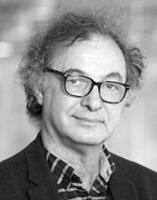
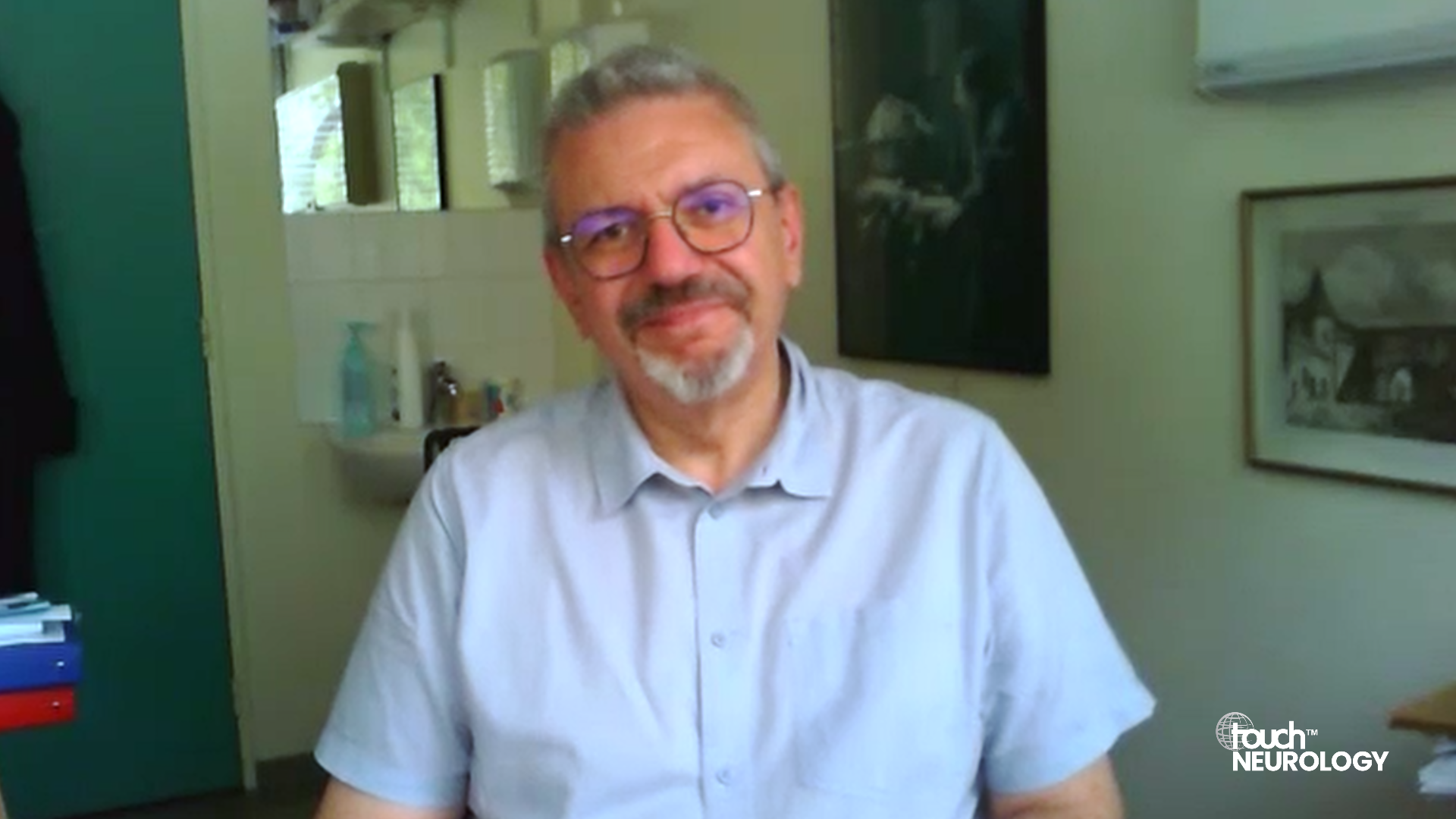
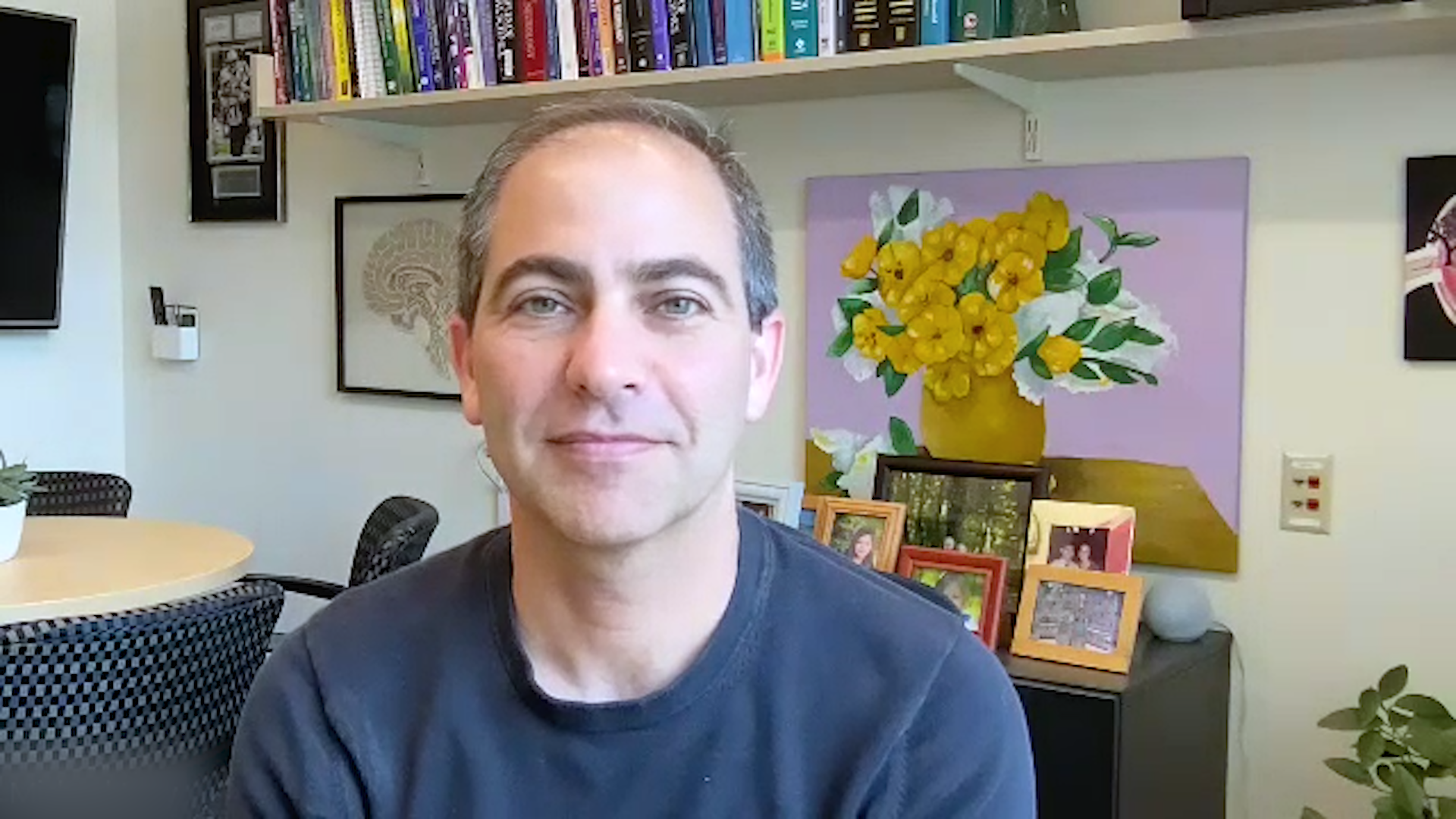
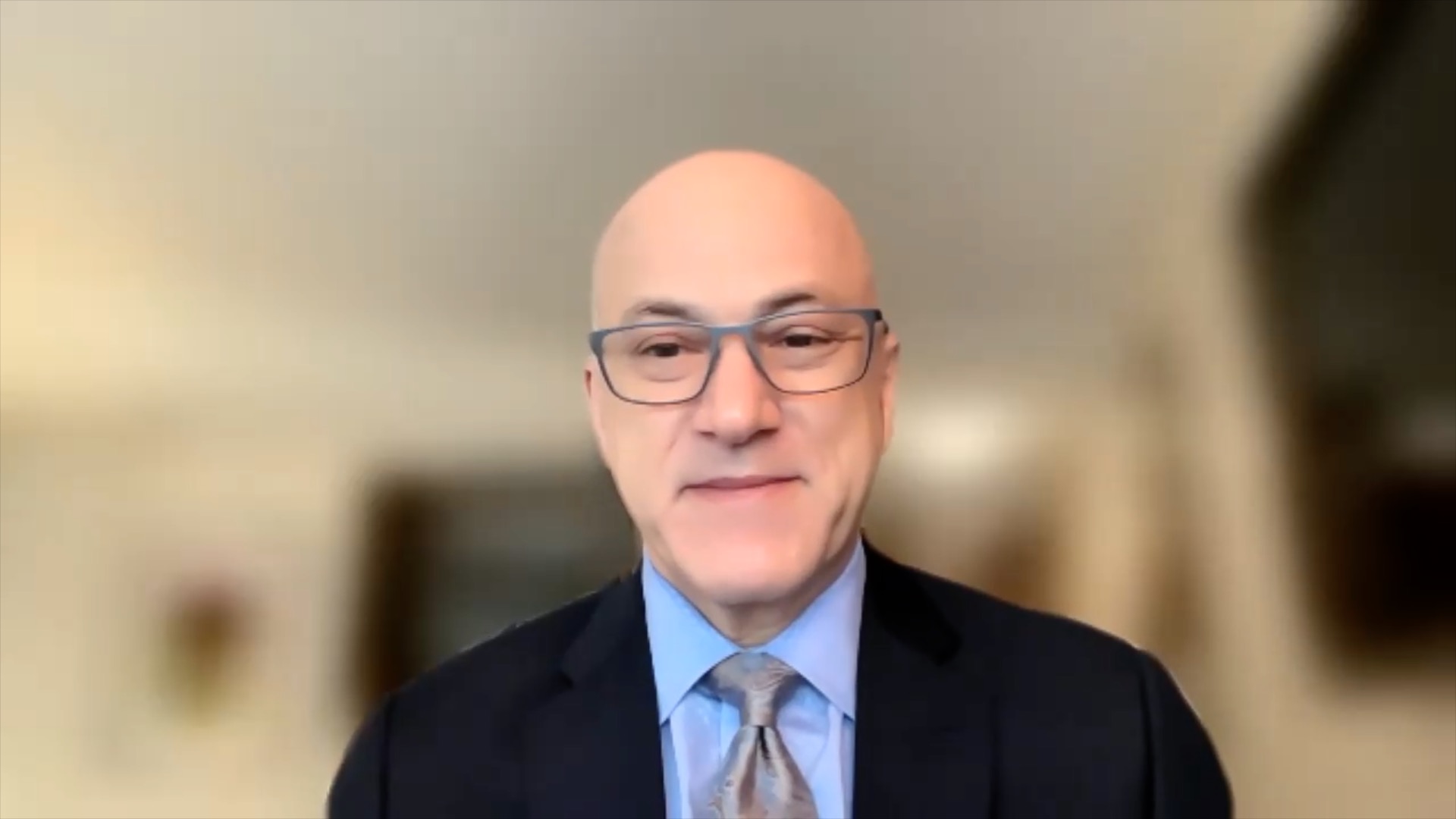
Dr Bardia Nourbakhsh, Associate Professor of Neurology, Johns Hopkins University, Baltimore, MD, USA, is a rising star whose work bridges rigorous clinical neurological research with compassionate, patient-centred care. From his early fascination with the brain’s complexity to his current research into treatments for multiple sclerosis (MS)-related fatigue, Dr Nourbakhsh’s journey reflects a commitment to innovation, collaboration and improving lives.
From my first encounter with neuroanatomy, I was captivated by how the function of specific brain regions translates into memory, emotion, planning and movement. The principle of localization, linking a nervous system lesion to a predictable clinical deficit, felt like solving a living puzzle. At the same time, neurology is full of unanswered questions: how do we keep neurons alive, repair them when injured, and prevent damage in the first place?
My parallel fascination with immunology added another layer. I wanted to understand how the immune system distinguishes friend from foe, yet sometimes turns on the body and triggers autoimmune disease. Neuroimmunology lies at the intersection of those mysteries. Many patients with neuroimmune disorders such as multiple sclerosis are young and at the beginning of their lives; helping them regain health and independence is deeply rewarding. Seeing the remarkable progress in MS therapies over the past three decades convinced me that this is a field where rigorous science can rapidly change lives.
My fellowship mentor, Dr Emmanuelle Waubant. She taught me how to design sound clinical trials, craft manuscripts that tell a clear scientific story and write grants that win support. Just as importantly, she modelled resilience and generosity in a highly competitive discipline. Her steady encouragement showed me that excellence and kindness are not mutually exclusive; they are mutually reinforcing. Having her guidance has been the single greatest gift to my professional growth.
I am excited about the hunt for biomarkers of chronic and CNS-compartmentalized inflammation in MS and the experimental agents that may finally curb this slow, silent driver of disability progression. The pipeline of potential remyelinating therapies is equally thrilling because true repair, not just prevention of new injury, would rewrite the prognosis for many patients. Precision approaches that maximize the benefit of existing disease-modifying treatments while minimizing risk are becoming a clinical reality. I am also very curious to see how the recognition of Epstein-Barr virus as a central factor in MS will be translated into preventive or therapeutic strategies. Finally, the field’s growing commitment to measure and treat chronic, “invisible” symptoms, such as fatigue, cognitive change, mood disturbance, through patient-reported outcomes signals a welcome shift toward care that values what patients feel, not just what scans show.
About Bardia Nourbakhsh
Bardia Nourbakhsh is an Associate Professor of Neurology at Johns Hopkins University School of Medicine, specialising in multiple sclerosis (MS) and neuroimmunology. He earned his medical degree in Tehran and completed training at UCSF and UT Southwestern. His research focuses on clinical trials, biomarkers, and the treatment of MS-related fatigue. Dr Nourbakhsh has received several awards, including the Harry Weaver Neuroscience Scholar Award from the National MS Society. He currently leads a Department of Defense-funded trial investigating ketamine for MS fatigue. He also serves as a reviewer for top neurology journals and contributes to academic publications and conferences.
Editor: Katey Gabrysch, Editorial Director.
Disclosures: This short article was prepared by touchNEUROLOGY in collaboration with Bardia Nourbakhsh. The content was developed and edited by human editors. No fees or funding were associated with its publication. touchNEUROLOGY utilize AI as an editorial tool (ChatGPT (GPT-4o) [Large language model]. https://chat.openai.com/chat). Bardia Nourbakhsh has nothing to disclose in relation to this interview.
Cite: Shaping the future of MS care with Dr Bardia Nourbakhsh: touchNEUROLOGY Future Leader 2025. touchNEUROLOGY. 19 May 2025.
Learn more about the National MS Society here
Register now to receive the touchNEUROLOGY newsletter!
Don’t miss out on hearing about our latest peer reviewed articles, expert opinions, conference news, podcasts and more.