This website is intended for healthcare professionals only

Trending Topic

Conceptual design with brain and red abstract background. Horizontal banner.
15 mins

Trending Topic

Developed by Touch
Mark CompleteCompleted
BookmarkBookmarked

Both intracerebral hemorrhage and ischemic stroke continue to be the leading causes of disability and the second leading causes of death worldwide.1,2 The burden is largest in low- and middle-income countries, which have seen rapid recent population growth. Large vessel occlusion (LVO – internal carotids, vertebrals and the proximal branches of the circle of Willis) accounts for 20% of all acute ischemic strokes (AISs) […]

Wellness in Parkinson’s Disease: A Framework for Management Using a Holistic Culturally Sensitive Approach

Indu Subramanian, Kate Perepezko, Britt Stone, Ray K Chaudhuri, Gregory M Pontone
10 mins
Share
Facebook
X (formerly Twitter)
LinkedIn
Via Email
Mark CompleteCompleted
BookmarkBookmarked
Copy LinkLink Copied
Download as PDF
Published Online: May 10th 2023 touchREVIEWS in Neurology. 2023;19(1):8–13 DOI: https://doi.org/10.17925/USN.2023.19.1.8
Select a Section…
1

Abstract

Overview

The concept of wellness has yet to be formally adopted in Parkinson’s disease (PD) management despite its potential to improve quality of life. Currently, PD treatment is usually focused on symptomatic therapies for motor symptom relief using medications or devices. While the focus on non-motor symptoms has increased in the last decade, it remains suboptimal. Future clinical practice should strive to incorporate the more holistic ‘dashboard vitals of PD‘, which include comorbidities/polypharmacy and dental, vision, bone, and gut health and go beyond just motor and non-motor issues. Furthermore, recognizing and addressing the cultural context of the patient and practising healthcare from a place of cultural humility can help decrease barriers to care and build trust. Promoting self-agency through personalized lifestyle interventions, such as healthy diet, exercise, sleep routines, mind–body approaches and social support, can make them more accessible and easier to maintain. Building upon the concept of personalized medicine in PD, wellness programmes can proactively target non-motor issues and mental and psychosocial health by enhancing resilience and supporting social connections. The desired outcome of a wellness approach extends beyond the traditional medical model to improve quality of life in a more enduring manner.

Keywords
2

Article

In modern medicine, the concept of wellness is accompanied by many misconceptions. Adopting wellness as a treatment approach has been well defined and implemented in cardiovascular disease, diabetes and some types of cancer management but has not yet been widely applied to neurologic diseases.1–5 The commercialization of the wellness industry has led to the misconception of wellness as expensive and only accessible to a niche population who can afford gym memberships, massages, personal chefs and spa retreats.6 Hence, it is important to define wellness clearly. Wellness includes both preventative and holistic features and can best be defined as “the active pursuit of activities, choices and lifestyles that lead to a state of holistic health”.7 Wellness is defined by the World Health Organization (WHO) as “the optimal state of health for individual and groups”.8 It represents a strengths-based approach to health, which focuses on a person’s positive attributes, a contrast to the traditional medical paradigm, which focuses on symptom mitigation.7

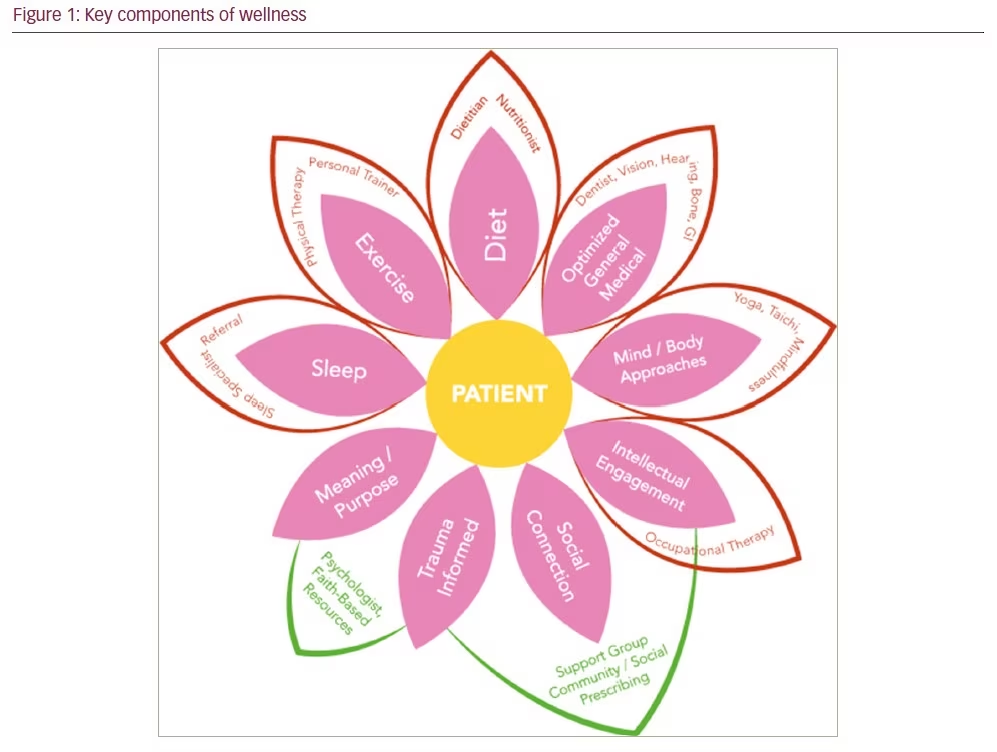
The WHO defined health as “a state of complete physical, mental, and social well-being and not merely the absence of disease or infirmity”.9 Wellness includes being engaged in attitudes that enhance the quality of life and maximize personal potential; hence, the wellness model fits well with this broader WHO definition of health. The International Classification of Functioning, Disability, and Health was established to provide a comprehensive system for conceptualizing health in a holistic manner by considering the interplay between the psychological, biological and social components of one’s ability to function optimally.10 The International Classification of Functioning, Disability and Health model encourages clinicians to both inquire about and consider the viewpoint of the individual patient regarding their health and wellness. Specific models of holistic health have been recently popularized, including the Veteran’s Affairs Whole Health model.11 This model of wellness is a multidimensional patient-driven approach to health encompassing lifestyle, environment, social support and spiritual, mental, and physical wellbeing. For people with Parkinson’s disease (PWP), the key components of wellness are a healthy diet, exercise, sleep, mind–body approaches and social connection.12–15 Figure 1 illustrates these key components of wellness, including the many referrals and collaborations that can enhance care for PWP.16 This figure is an updated version of the “The patient is the sun” figure by Bloem et al.17 We propose “the active pursuit of more holistic health through individual lifestyle choices and not just the absence of disease” framework as a revised approach to health provision for PWP.7
Historically, Parkinson’s disease (PD) was thought to affect motor function, with studies and care largely focused on older Caucasian men. However, it has now been recognized that PD is a complex disorder with multifaceted presentations, including motor and non–motor subtypes with a prodromal period (i.e. before patients meet current diagnostic criteria) of a decade or more.18,19 PD diagnoses are likely to increase dramatically over the next 20–30 years, prompting some authors to suggest that PD is an epidemic.20 Currently, treatment is focused on symptomatic therapies, primarily for physical symptoms, using medications or devices that are tremendously beneficial in restoring motor function and allowing patients to function in daily life.21 However, even with the best current therapies and wellness approaches, patients continue to experience symptom progression and mounting disease burden over decades. It has been proposed that there should be an emphasis on early assessment to allow for effective psychosocial management from the point of diagnosis through to palliative care.22–24

While disease modification is still aspirational, there may even be a role for wellness in counselling patients at risk for developing PD as predicted by genetic testing or in the prodromal phase of PD.25 There have been similar proposals for other neurodegenerative diseases, such as Alzheimer’s disease.26 Wellness–focused counselling that incorporates motor, non-motor and mental health offerings delivered in a personalized manner that is based on a bespoke dashboard of symptoms related to the PWP as a whole has been proposed. This approach builds upon the ‘dashboard vitals of PD‘, which include comorbidities/polypharmacy and dental, vision, bone and gut health, which go beyond just motor and non-motor issues in PD.27

In the traditional medical paradigm, the patient is often a passive recipient of care, and healthcare interventions are sporadic and often in reaction to a symptom or complaint rather than proactive or preventative. This intermittent interaction with the healthcare system is compartmentalized and remains separate from the patient’s day–to–day life. Patients often see their neurologist for only one 15–30-minute appointment every 6 months. In contrast, the wellness model places the patient at the centre of the care team, with goals defined in accordance with what they consider meaningful for their quality of life in their current social, economic and cultural context. The patient is responsible for making choices in their daily life (with individualized recommendations from their healthcare team) that influence their health outcomes, which cultivates self-agency (a feeling of control over actions and their consequences). This wellness pathway may allow the patient to thrive, going beyond the traditional mitigation of individual symptoms and complaints. Lifestyle choices and actions are integrated into daily life and are not just intermittent; thus, seeking health becomes a continuous pursuit.

Cultural and diversity considerations in wellness

Cultural competence is defined as “the ability of providers and organizations to effectively deliver health care services that meet the social, cultural, and linguistic needs of patients”.28 A newer approach for practising cultural humility, defined as “a lifelong process of self-reflection and self-critique whereby the individual not only learns about another’s culture, but one starts with an examination of her/his own beliefs and cultural identities”, has also been proposed.29

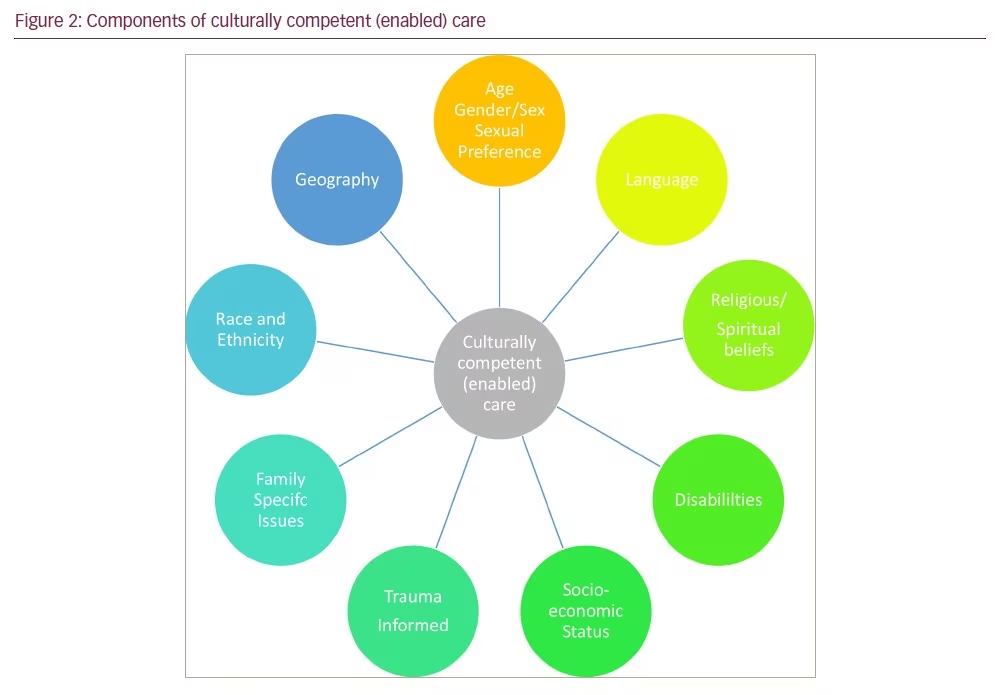
Although most healthcare disciplines are encouraged to provide culturally competent care as part of ethical practice, this is often not well translated into clinical practice. When making clinical recommendations, it is important to consider the individual patient’s cultural components, including age, gender, race and ethnicity, language, culture (including family-specific culture), socioeconomic status, sexual orientation and preference, religious/spiritual affiliation, and disabilities and stage of the disease.30 Geography also plays a large part in the delivery of care; health services may be impacted by internet connections and limitations for travel once patients become less mobile. Figure 2 is a summary of the contributors to culturally competent or enabled care. Personal preferences and patient choice are key aspects of personalized medicine delivery and an integral part of the recently proposed ‘circle of personalized medicine‘ and the previously proposed ‘personalized medicine in non-motor PD‘.30,31
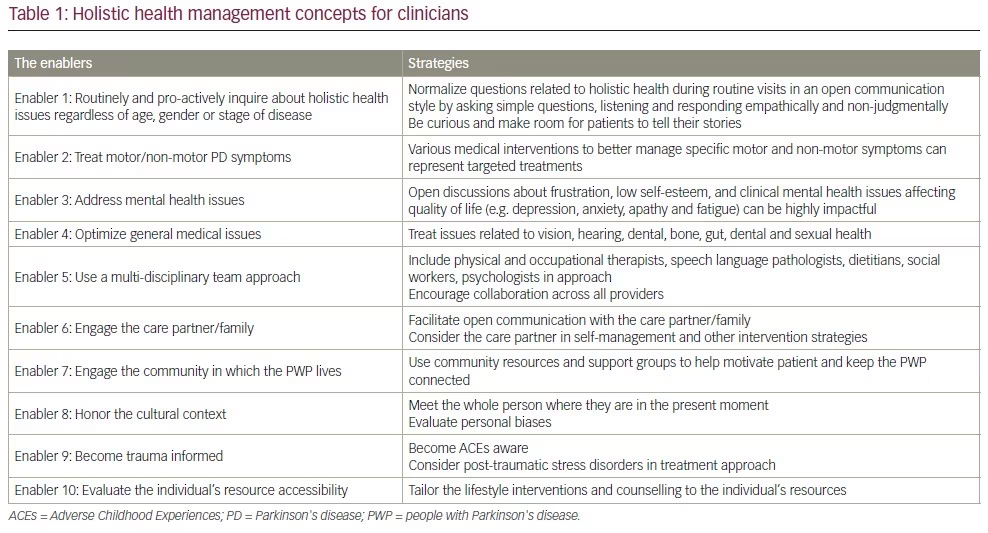
The wellness model approach emphasizes the individual’s environment and cultural context as key components in treatment. It has also been noted that an individual’s competing demands and values may vary in importance over time due to changing life circumstances and stages of the disease.32 Indeed, on any one day or week, the patient may experience a range of symptoms that may either prevent them from participating or enable them to participate in these lifestyle choices. When addressing holistic health, culturally informed care can guide further assessment and significantly change treatment recommendations and adoptability. For example, the wellness model from the First Nation’s Tribe perspective (Indigenous people of North America) includes the land, nature, the ancestors and other nations as model components.33 A traditional healer or leader in a faith community may be critical to healthcare delivery. Other areas in which cultural perspectives are particularly important to acknowledge include attitudes toward ageing, caregiving, dying and mental health, which can often be heavily stigmatized.34–37 A vital component in facilitating collaboration and trust between physicians and their patients is for physicians to actively listen to patients about what they understand about their disease and what caused it. Some people may believe that the person’s past actions may be the cause of their disease, which may contribute to an additional burden of guilt or shame for PWP.38 It is important to understand their values and beliefs while addressing their fears and concerns. This approach is especially important towards the end of life, when a patient’s spiritual and religious beliefs may become even more central and impact the preferred place of death or advanced care planning. These types of discussions are often encouraged in palliative care settings but definitely have value in PD management throughout the disease trajectory. In some cultures, the decision regarding which family members are told the truth about medical issues and who can be engaged to help decide on treatment options can be overly complex.39 Fostering open dialogue with the patients allows physicians to appropriately apply their expertise in ways that positively impact patient outcomes. Positive holistic health management can be facilitated by several strategies. Table 1 displays some suggested methods for how clinicians can facilitate patient wellness.
The role of holistic health in wellness

The conventional approach to care for PWP focuses largely on physical health and motor symptoms. Acceptance of non-motor issues as a significant contributor to quality of life in PWP is a newer concept.40 An emphasis on mental, psychosocial and spiritual health has been relatively undervalued to date, despite there being many excellent reviews on motor and non-motor symptoms in PD.41,42 Here, we focus on the biopsychosocial aspects of health. The concept that mental health is more than the absence of psychiatric illness is consistent with wellness. Mental health, as defined by the WHO, is “a state of well-being in which the individual realizes his or her own abilities, can cope with the normal stresses of life, can work productively and fruitfully, and is able to make a contribution to his or her community”.43,44 Mental health is a collection of positive attributes maintained by psychological skills that help one adapt to the demands of life; it is a key determinant of wellness and should be proactively cultivated to counteract the burden of PD.41 Additionally, general medical health is also important, as issues such as dental, gut, bone health, poor vision, falls and frailty also need to be addressed to ensure that PWP can thrive.27

In PWP, mental health is challenged at several key intervals: at diagnosis, at the onset of significant disability (i.e. the end of the ‘honeymoon period‘) and at advanced disease when function and quality of life are severely decreased. Additionally, it is now possible to disclose a possible carrier mutation status and predict who may develop PD from prodromal symptoms.45 This at-risk or prodromal phase also has potential mental health consequences, especially when the current paradigm does not include potential disease–modifying strategies.46 Optimal mental health can help PWP navigate these challenges and maintain a higher quality of life.

Among the key resources for maintaining mental health are increasing resilience and supporting social connections. Often termed ‘positive psychology’, interventions that promote these resources focus on promoting wellbeing rather than reducing pathology.47–50 Resilience can be understood broadly as successfully adapting to adversity or flourishing despite adversity.51 Resilience was highlighted as a core area of focus by the WHO’s European policy framework for health and wellbeing, which stated that for people to thrive, resilience must be strengthened.52 Several studies have identified a positive relationship between higher resilience and better quality of life. Ultimately, resilience has been described as one of the most important positive attributes for facilitating the ability to adapt to change and maintain flexibility to meet new demands when faced with adversity.53 Resilience has not received much attention in PD.54,55 However, in other disease states, hope and resilience have been associated with better and more sustained coping with a chronic illness.56–58 In PD, higher resilience is correlated with a lower disability, better quality of life and less apathy, depression, and fatigue,55 which suggests the need for better cultivating these positive attributes in this chronic neurological disease.

Social connection

Strong social networks, or connections with friends, family members and community, also contribute to wellness. Social isolation and loneliness have been associated with higher disease burden and decreased quality of life in PWP.14 PWP may develop a vicious cycle in which they feel stigmatized and then become isolated, which can subsequently worsen their motor and non-motor symptoms, leading to further isolation and loneliness. Research on social connectivity has shown that it is important to create meaningful relationships not only in intimate spheres (with a spouse or romantic partner) but also in relational (friends circle) and societal spheres with a community of people who have a similar purpose and interests (e.g. Parkinson’s support groups, religious groups).59 A supportive social network has been shown to prolong independent living, reduce morbidity and mortality, and improve coping ability in individuals with chronic diseases.60,61 In PD, social support has been linked with decreased stigma, depression and anxiety.62–64 It is also associated with better emotional wellbeing, communication, life satisfaction and positive affect.64,65 Specific activities, such as music and dance-based interventions, have been shown to improve emotional and social wellbeing and should be considered for increasing wellness in PWP.15

PWP may experience a change in their social functioning due to PD symptoms (e.g. tremors, facial masking and neuropsychiatric symptoms) or may withdraw from their social roles after PD diagnosis.66 Programmes promoting social support networks for PWP and participation in support groups can improve coping ability and quality of life in this population.67–69 Social support is also helpful in facilitating accountability for lifestyle modifications; individuals completing interventions with a social support component demonstrate increased motivation to adhere to recommended behaviours because they are accountable to someone else.70 Using social prescribing to proactively identify patients at risk for loneliness or depression and connecting them with social support is a promising new intervention that is gaining interest.71

Lifestyle and self-management

From a global health lifestyle perspective, healthy behaviours such as exercise, a healthy diet (i.e. Mediterranean diet), staying hydrated and sleeping well at night are key for PWP to thrive.12 Exercise is medicine in healthy ageing and in PD. Exercising for 30–60 minutes per day, 5–7 days per week, including cardio-based exercises, is beneficial for physical and mental health.72 Having the agency to choose how and which lifestyle modifications to implement may improve compliance.

Self-agency

Essential to self-agency (i.e. one’s capacity to achieve desired goals) is a person’s perceived ability to maintain some control over their own functioning and to meet situational demands, which is best understood as self-efficacy.73 It has been proposed that self-efficacy positively affects behaviour via cognitive processes (e.g. planning for the future), motivational processes (e.g. commitment to desired goals) and controlling negative affective processes (e.g. fear of failing).12,73 Self-agency has been shown to improve quality of life.12 A recent review stated that the ultimate goal of health in PD is to support PWP in self-management and their ability to participate in activities that are meaningful to them.74 There has been a new focus on the role of patient participation in their own health, including adopting a healthy lifestyle that involves regular exercise and an appropriate diet and involving the PWP in medical decisions based on education and physician guidance.13 Wellness strategies to support holistic health include resilience training (e.g. improving the ability to manage physical, emotional and psychological health) and empowering patients by giving them a sense of agency through cognitive behavioural therapy, coaching or mindfulness classes. These important tools should be available to all PWP, yet there has been a lack of study in this area. Furthermore, whilst a number of self-management strategies are promising, they need to include the care partner and peer support in their adoption.75 Patients want free (or affordable), transportable and understandable wellness strategies and tools for empowering themselves to take control of their own health. Counselling and education on modifiable lifestyle choices, including sleep, diet, multimodal and exercise-based strategies (including dance), mind–body approaches and social connection should be available to all PWP from diagnosis.

Historically, there has been a disproportionate focus on pharmacological interventions for treating mental health issues in PWP. However, many patients would like an alternative to adding another pill.76 Latinx, Black, and other ethnic minorities, as well as women, have been more interested in non-pharmacological approaches to treating PD, and this may serve as an entry point to building a rapport with PWP prior to offering them pharmacological treatments.77 It has been proposed that there should be an emphasis on early assessment to allow for effective psychosocial management from the point of diagnosis through to palliative care.22–24

When prescribing these self-management strategies to patients, it is important to evaluate their resource accessibility. The shame associated with a lack of access to these recommended lifestyle interventions has been described in the literature.78,79 Clarke and Adamson highlighted how current exercise recommendations ignore individual social factors, including the location or socioeconomic status.80 A lack of access to specific wellness prescriptions can induce feelings of shame for PWP, which can create additional barriers to achieving wellness. For example, not all individuals can afford gym memberships, and some may experience greater difficulty in maintaining a healthy diet if they are living in a food desert. Considering the individual‘s access to resources could greatly impact patient wellness.

In addition to shame related to the completion of clinician–recommended intervention activities, PWP can experience shame related to their PD diagnosis. Previous research has identified that shame and embarrassment in PD can develop from PD symptoms, increasing disability and worsening body image.81 This shame can contribute to several negative outcomes, such as social withdrawal, reduced quality of life and depression.81 Fortunately, some interventions to reframe maladaptive thinking have been successful in reducing shame in individuals with high shame and self-criticism.82 These interventions should be considered for PWP. The ultimate goal of any wellness strategy is to help the patient feel in control of their own health by making lifestyle choices that will help them to achieve a better quality of life and a higher level of functioning. This goal should be achieved by giving a solid framework for clinicians, PWP and their loved ones to understand the progressive nature of PD and the complexity of its symptoms. Whilst educating and empowering PWP to live better is important, we do not want to add any additional shame or guilt if they do not feel well enough to adopt these lifestyle changes.

We have proposed a framework around which to care for PWP using lifestyle approaches. In the current healthcare environment, with a shortage of movement disorder neurologists worldwide, it is clear that all of this change cannot be the sole responsibility of the patient or the clinician, but rather it lies in a partnership. We propose engaging a multidisciplinary team (Figure 1) and including support groups and community groups, clinicians, PWP and their loved ones as part of a push for change. Educating all providers who are in contact with PWP from diagnosis is part of this message, including primary care physicians and allied health professionals. Using word of mouth, the internet and social media is key to circulating the message behind a wellness prescription, which includes the importance of exercise, diet and social connection as part of medicine, is key that can be accessed even without a physician referral. This approach will need the allocation of additional resources, including specialized training and education for healthcare providers, and the creation of accessible, community-based resources for PWP in order to be implemented.

Conclusions

In summary, addressing holistic health using a wellness-based model invites a culturally informed, multidisciplinary approach, ranging from pharmacological and medical treatments to social, psychological and lifestyle interventions that can be chosen by the patient in concert with their healthcare team and family. The desired outcome may represent not just a decrease in overall physical dysfunction but an experience of thriving due to improved self-efficacy and social connection.
3

References

List View
Grid View
1
Copy DOIDOI Copied
Visit DOI Link

 Gillies CL, Abrams KR, Lambert PC, et al. Pharmacological and lifestyle interventions to prevent or delay type 2 diabetes in people with impaired glucose tolerance: Systematic review and meta-analysis. BMJ. 2007;334:299. DOI: 10.1136/bmj.39063.689375.55

2
Copy DOIDOI Copied
Visit DOI Link

 International Federation of diabetes. IDF clinical practice recommendations for managing type 2 diabetes in primary care. 2017. Available at: https://www.idf.org/e-library/guidelines/128-idf-clinical-practice-recommendations-for-managing-type-2-diabetes-in-primary-care.html (Date last accessed: 26 April 2023)

3
Copy DOIDOI Copied
Visit DOI Link

 Kreitzer MJ, Snyder M. Healing the heart: Integrating complementary therapies and healing practices into the care of cardiovascular patients. Prog Cardiovasc Nurs. 2002;17:73–80. DOI: 10.1111/j.0889-7204.2002.00626.x

4
Copy DOIDOI Copied
Visit DOI Link

 Guarneri M, Mercado N, Suhar C. Integrative approaches for cardiovascular disease. Nutr Clin Pract. 2009;24:701–8. DOI: 10.1177/0884533609343453

5
Copy DOIDOI Copied
Visit DOI Link

 Sylvestro HM, Mobley K, Wester K. Biopsychosocial models in cancer care: Application of a counseling model of wellness. Journal of Counselor Leadership and Advocacy. 2021;8:116–29. DOI: 10.1080/2326716X.2021.1946665

6
Copy DOIDOI Copied
Visit DOI Link

 Stoewen DL. Health and wellness. Can Vet J. 2015;56:983–4.

7
Copy DOIDOI Copied
Visit DOI Link

 Global Wellness Institute. What is wellness? Available at: https://globalwellnessinstitute.org/what-is-wellness/ (Date last accessed: 20 April 2023)

8
Copy DOIDOI Copied
Visit DOI Link

 Smith BJ, Tang KC, Nutbeam D. Who health promotion glossary: New terms. Health Promot Int. 2006;21:340–5. DOI: 10.1093/heapro/dal033

9
Copy DOIDOI Copied
Visit DOI Link

 World Health Organization. Constitution of the World Health Organization, signed on July 22, 1946, in New York City. Int Org. 1947;1:225–39. DOI: 10.1017/S0020818300007049

10
Copy DOIDOI Copied
Visit DOI Link

 Peterson D. Conceptualizing functioning, disability, and health. In: Medical and Psychosocial Aspects of Chronic Illness and Disability. 6th ed. Burlington: Jones & Bartlett Learning, 2018;1–9.

11
Copy DOIDOI Copied
Visit DOI Link

 Alaigh PL, Lee TH. The VA: A model for the whole health care system. NEJM Catal. 2017;3.

12
Copy DOIDOI Copied
Visit DOI Link

 Breland JY, Wong JJ, McAndrew LM. Are common sense model constructs and self-efficacy simultaneously correlated with self-management behaviors and health outcomes: A systematic review. Health Psychol Open. 2020;7:2055102919898846. DOI: 10.1177/2055102919898846

13
Copy DOIDOI Copied
Visit DOI Link

 van der Eijk M, Nijhuis FAP, Faber MJ, Bloem BR. Moving from physician-centered care towards patient-centered care for Parkinson’s disease patients. Parkinsonism Relat Disord. 2013;19:923–7. DOI: 10.1016/j.parkreldis.2013.04.022

14
Copy DOIDOI Copied
Visit DOI Link

 Subramanian I, Farahnik J, Mischley LK. Synergy of pandemics-social isolation is associated with worsened Parkinson severity and quality of life. NPJ Parkinsons Dis. 2020;6:28. DOI: 10.1038/s41531-020-00128-9

15
Copy DOIDOI Copied
Visit DOI Link

 Colombo B, Rigby A, Gnerre M, Biassoni F. The effects of a dance and music-based intervention on Parkinson’s patients’ well-being: An interview study. Int J Environ Res Public Health. 2022;19:7519. DOI: 10.3390/ijerph19127519

16
Copy DOIDOI Copied
Visit DOI Link

 Marras C, Canning CG, Goldman SM. Environment, lifestyle, and Parkinson’s disease: Implications for prevention in the next decade. Mov Disord. 2019;34:801–11. DOI: 10.1002/mds.27720

17
Copy DOIDOI Copied
Visit DOI Link

 Bloem BR, Henderson EJ, Dorsey ER, et al. Integrated and patient-centred management of Parkinson’s disease: A network model for reshaping chronic neurological care. The Lancet Neurology. 2020;19:623–34. DOI: 10.1016/S1474-4422(20)30064-8

18
Copy DOIDOI Copied
Visit DOI Link

 Marras C, Chaudhuri KR. Nonmotor features of Parkinson’s disease subtypes. Mov Disord. 2016;31:1095–102. DOI: 10.1002/mds.26510

19
Copy DOIDOI Copied
Visit DOI Link

 Ascherio A, Schwarzschild MA. The epidemiology of Parkinson’s disease: Risk factors and prevention. Lancet Neurol. 2016;15:1257–72. DOI: 10.1016/S1474-4422(16)30230-7

20
Copy DOIDOI Copied
Visit DOI Link

 Berg D, Merz B, Reiners K, et al. Five-year follow-up study of hyperechogenicity of the substantia nigra in Parkinson’s disease. Mov Disord. 2005;20:383–5. DOI: 10.1002/mds.20311

21
Copy DOIDOI Copied
Visit DOI Link

 Bloem BR, Okun MS, Klein C. Parkinson’s disease. Lancet. 2021;397:2284–303. DOI: 10.1016/S0140-6736(21)00218-X

22
Copy DOIDOI Copied
Visit DOI Link

 Bega D, Zadikoff C. Complementary & alternative management of Parkinson’s disease: An evidence-based review of eastern influenced practices. J Mov Disord. 2014;7:57–66. DOI: 10.14802/jmd.14009

23
Copy DOIDOI Copied
Visit DOI Link

 Subramanian I. Complementary and alternative medicine and exercise in nonmotor symptoms of Parkinson’s disease. Int Rev Neurobiol. 2017;134:1163–88. DOI: 10.1016/bs.irn.2017.05.037

24
Copy DOIDOI Copied
Visit DOI Link

 Bender M, Wainwright T. The need for psychotherapeutic services for people with Parkinson’s disease. Psychologist’s Special Interest Group Working With Older People Newsletter. 2005;1:17–23. DOI: 10.53841/bpsfpop.2005.1.89.17

25
Copy DOIDOI Copied
Visit DOI Link

 Betancourt JR, Green AR, Carrillo JE. Cultural competence in health care: Emerging frameworks and practical approaches, 2002. Available at: www.ecald.com/assets/Resources/Assets/Cultural-Competence-in-Health-Care.pdf (Date last accessed: 26 April 2023)

26
Copy DOIDOI Copied
Visit DOI Link

 Livingston G, Huntley J, Sommerlad A, et al. Dementia prevention, intervention, and care: 2020 report of the Lancet Commission. Lancet. 2020;396:413–46. DOI: 10.1016/S0140-6736(20)30367-6

27
Copy DOIDOI Copied
Visit DOI Link

 Chaudhuri KR, Titova N, Qamar MA, et al. The dashboard vitals of Parkinson’s: Not to be missed yet an unmet need. J Pers Med. 2022;12:1994. DOI: 10.3390/jpm12121994

28
Copy DOIDOI Copied
Visit DOI Link

 Balcazar FE, Suarez-Balcazar Y, Taylor-Ritzler T. Cultural competence: Development of a conceptual framework. Disabil Rehabil. 2009;31:1153–60. DOI: 10.1080/09638280902773752

29
Copy DOIDOI Copied
Visit DOI Link

 Tervalon M, Murray-García J. Cultural humility versus cultural competence: A critical distinction in defining physician training outcomes in multicultural education. J Health Care Poor Underserved. 1998;9:117–25. DOI: 10.1353/hpu.2010.0233

30
Copy DOIDOI Copied
Visit DOI Link

 Titova N, Chaudhuri KR. Personalized medicine and nonmotor symptoms in Parkinson’s disease. Int Rev Neurobiol. 2017;134:1257–81. DOI: 10.1016/bs.irn.2017.05.015

31
Copy DOIDOI Copied
Visit DOI Link

 Subramanian I, Hinkle JT, Chaudhuri KR, et al. Mind the gap: Inequalities in mental health care and lack of social support in Parkinson disease. Parkinsonism Relat Disord. 2021;93:97–102. DOI: 10.1016/j.parkreldis.2021.11.015

32
Copy DOIDOI Copied
Visit DOI Link

 Blawert A, Wurm S. Shifting self-perceptions of ageing: Differential effects of value priorities on self-perceptions of ageing beyond age stereotypes. Eur J Ageing. 2021;18:257–67. DOI: 10.1007/s10433-020-00578-3

33
Copy DOIDOI Copied
Visit DOI Link

 First Nations Health Authority. First nations perspective on health and wellness. 2016. Available at: www.fnha.ca/wellness/wellness-for-first-nations/first-nations-perspective-on-health-and-wellness (Date last accessed: 26 April 2023)

34
Copy DOIDOI Copied
Visit DOI Link

 Mak WWS, Poon CYM, Pun LYK, Cheung SF. Meta-analysis of stigma and mental health. Soc Sci Med. 2007;65:245–61. DOI: 10.1016/j.socscimed.2007.03.015

35
Copy DOIDOI Copied
Visit DOI Link

 Werner P, Mittelman MS, Goldstein D, Heinik J. Family stigma and caregiver burden in Alzheimer’s disease. Gerontologist. 2012;52:89–97. DOI: 10.1093/geront/gnr117

36
Copy DOIDOI Copied
Visit DOI Link

 Chasteen AL, Cary LA. Age stereotypes and age stigma: Connections to research on subjective aging. Annu rev gerontol geriatr. 2015;35:99–119. DOI: 10.1891/0198-8794.35.99

37
Copy DOIDOI Copied
Visit DOI Link

 Epley RJ, McCaghy CH. The stigma of dying: Attitudes toward the terminally ill. OMEGA (Westport). 1978;8:379–93. DOI: 10.2190/5J49-DX9U-05R7-V6JD

38
Copy DOIDOI Copied
Visit DOI Link

 Gupta VB. Impact of culture on healthcare seeking behavior of Asian Indians. J Cult Divers. 2010;17:13–9.

39
Copy DOIDOI Copied
Visit DOI Link

 Gilbar R, Miola J. One size fits all? On patient autonomy, medical decision-making, and the impact of culture. Med Law Rev. 2015;23:375–99. DOI: 10.1093/medlaw/fwu032

40
Copy DOIDOI Copied
Visit DOI Link

 Prakash KM, Nadkarni NV, Lye W-K, et al. The impact of non-motor symptoms on the quality of life of Parkinson’s disease patients: A longitudinal study. Eur J Neurol. 2016;23:854–60. DOI: 10.1111/ene.12950

41
Copy DOIDOI Copied
Visit DOI Link

 Kalia LV, Lang AE. Parkinson’s disease. Lancet. 2015;386:896–912. DOI: 10.1016/S0140-6736(14)61393-3

42
Copy DOIDOI Copied
Visit DOI Link

 Armstrong MJ, Okun MS. Diagnosis and treatment of Parkinson disease: A review. JAMA. 2020;323:548–60. DOI: 10.1001/jama.2019.22360

43
Copy DOIDOI Copied
Visit DOI Link

 Keyes CLM, Simoes EJ. To flourish or not: Positive mental health and all-cause mortality. Am J Public Health. 2012;102:2164–72. DOI: 10.2105/AJPH.2012.300918

44
Copy DOIDOI Copied
Visit DOI Link

 World Health Organization, Department of Mental Health and Substance Abuse, The Victorian Health Promotion Foundation, The University of Melbourne. Promoting mental health, World Health Organization. Available at: https://apps.who.int/iris/bitstream/handle/10665/42940/9241591595.pdf (Date last accessed: 2 May 2023)

45
Copy DOIDOI Copied
Visit DOI Link

 Wang J, Hoekstra JG, Zuo C, et al. Biomarkers of Parkinson’s disease: Current status and future perspectives. Drug Discov Today. 2013;18:155–62. DOI: 10.1016/j.drudis.2012.09.001

46
Copy DOIDOI Copied
Visit DOI Link

 Pringsheim T, Day GS, Smith DB, et al. Dopaminergic therapy for motor symptoms in early Parkinson disease practice guideline summary: A report of the AAN guideline Subcommittee. Neurology. 2021;97:942–57. DOI: 10.1212/WNL.0000000000012868

47
Copy DOIDOI Copied
Visit DOI Link

 Seligman MEP. Positive health. Applied Psychology. 2008;57:3–18. DOI: 10.1111/j.1464-0597.2008.00351.x

48
Copy DOIDOI Copied
Visit DOI Link

 Weiss LA, Westerhof GJ, Bohlmeijer ET. Can we increase psychological well-being? The effects of interventions on psychological well-being: A meta-analysis of randomized controlled trials. PLoS One. 2016;11:e0158092. DOI: 10.1371/journal.pone.0158092

49
Copy DOIDOI Copied
Visit DOI Link

 Murdoch KC, Larsen D, Edey W, et al. The efficacy of the strength, hope and resourcefulness program for people with Parkinson’s disease (SHARP-PWP): A mixed methods study. Parkinsonism Relat Disord. 2020;70:7–12. DOI: 10.1016/j.parkreldis.2019.11.010

50
Copy DOIDOI Copied
Visit DOI Link

 Lezak MD, Howieson DB, Loring DW, et al. Neuropsychological Assessment. New York: Oxford University Press, 2004.

51
Copy DOIDOI Copied
Visit DOI Link

 Hildon Z, Montgomery SM, Blane D, et al. Examining resilience of quality of life in the face of health-related and psychosocial adversity at older ages: What is “ right” about the way we age? Gerontologist. 2010;50:36–47. DOI: 10.1093/geront/gnp067

52
Copy DOIDOI Copied
Visit DOI Link

 World Health Organization. Health 2020: A European policy framework and strategy for the 21st century, 2013:1–182.

53
Copy DOIDOI Copied
Visit DOI Link

 Sisto A, Vicinanza F, Campanozzi LL, et al. Towards a transversal definition of psychological resilience: A literature review. Medicina (Kaunas). 2019;55:745. DOI: 10.3390/medicina55110745

54
Copy DOIDOI Copied
Visit DOI Link

 Shamaskin-Garroway AM, Lageman SK, Rybarczyk B. The roles of resilience and nonmotor symptoms in adjustment to Parkinson’s disease. J Health Psychol. 2016;21:3004–15. DOI: 10.1177/1359105315590268

55
Copy DOIDOI Copied
Visit DOI Link

 Robottom BJ, Gruber-Baldini AL, Anderson KE, et al. What determines resilience in patients with Parkinson’s disease? Parkinsonism Relat Disord. 2012;18:174–7. DOI: 10.1016/j.parkreldis.2011.09.021

56
Copy DOIDOI Copied
Visit DOI Link

 Hadianfard H, Ashjazadeh N, FeridoniS, Farjam E. The role of psychological resilience, severity of disease and treatment adherence in the prediction of health-related quality of life in patients with multiple sclerosis. Neurol Asia. 2015;20.

57
Copy DOIDOI Copied
Visit DOI Link

 Battalio SL, Silverman AM, Ehde DM, et al. Resilience and function in adults with physical disabilities: An observational study. Arch Phys Med Rehabil. 2017;98:1158–64. DOI: 10.1016/j.apmr.2016.11.012

58
Copy DOIDOI Copied
Visit DOI Link

 Wagnild G. Resilience and successful aging. Comparison among low and high income older adults. J Gerontol Nurs. 2003;29:42–9. DOI: 10.3928/0098-9134-20031201-09

59
Copy DOIDOI Copied
Visit DOI Link

 Quoidbach J, Taquet M, Desseilles M, et al. Happiness and social behavior. Psychol Sci. 2019;30:1111–22. DOI: 10.1177/0956797619849666

60
Copy DOIDOI Copied
Visit DOI Link

 Stickley A, Koyanagi A. Physical multimorbidity and loneliness: A population-based study. PLoS One. 2018;13:e0191651. DOI: 10.1371/journal.pone.0191651

61
Copy DOIDOI Copied
Visit DOI Link

 Christiansen J, Lund R, Qualter P, et al. Loneliness, social isolation, and chronic disease outcomes. Ann Behav Med. 2021;55:203–15. DOI: 10.1093/abm/kaaa044

62
Copy DOIDOI Copied
Visit DOI Link

 McComb MN, Tickle-Degnen L. Developing the construct of social support in Parkinson’s disease. Physical & Occupational Therapy in Geriatrics. 2006;24:45–60. DOI: 10.1080/J148v24n01_03

63
Copy DOIDOI Copied
Visit DOI Link

 Ghorbani Saeedian R, Nagyova I, Krokavcova M, et al. The role of social support in anxiety and depression among Parkinson’s disease patients. Disabil Rehabil. 2014;36:2044–9. DOI: 10.3109/09638288.2014.886727

64
Copy DOIDOI Copied
Visit DOI Link

 Simpson J, Haines K, Lekwuwa G, et al. Social support and psychological outcome in people with Parkinson’s disease: Evidence for a specific pattern of associations. Br J Clin Psychol. 2006;45:585–90. DOI: 10.1348/014466506X96490

65
Copy DOIDOI Copied
Visit DOI Link

 Takahashi K, Kamide N, Suzuki M, Fukuda M. Quality of life in people with Parkinson’s disease: The relevance of social relationships and communication. J Phys Ther Sci. 2016;28:541–6. DOI: 10.1589/jpts.28.541

66
Copy DOIDOI Copied
Visit DOI Link

 Perepezko K, Hinkle JT, Shepard MD, et al. Social role functioning in Parkinson’s disease: A mixed-methods systematic review. Int J Geriatr Psychiatry. 2019;34:1128–38. DOI: 10.1002/gps.5137

67
Copy DOIDOI Copied
Visit DOI Link

 Gallant MP, Spitze GD, Prohaska TR. Help or hindrance? How family and friends influence chronic illness self-management among older adults. Res Aging. 2007;29:375–409. DOI: 10.1177/0164027507303169

68
Copy DOIDOI Copied
Visit DOI Link

 Charlton GS, Barrow CJ. Coping and self-help group membership in Parkinson’s disease: An exploratory qualitative study. Health & Social Care in the Community. 2002;10:472–8. DOI: 10.1046/j.1365-2524.2002.00385.x

69
Copy DOIDOI Copied
Visit DOI Link

 Lieberman MA, Winzelberg A, Golant M, et al. Online support groups for Parkinson’s patients: A pilot study of effectiveness. Soc Work Health Care. 2005;42:23–38. DOI: 10.1300/J010v42n02_02

70
Copy DOIDOI Copied
Visit DOI Link

 Ingstrup MS, Wozniak LA, Mathe N, et al. Women’s experience with peer counselling and social support during a lifestyle intervention among women with a previous gestational diabetes pregnancy. Health Psychol Behav Med. 2019;7:147–59. DOI: 10.1080/21642850.2019.1612750

71
Copy DOIDOI Copied
Visit DOI Link

 Chatterjee HJ, Camic PM, Lockyer B, Thomson LJM. Non-clinical community interventions: A systematised review of social prescribing schemes. Arts Health. 2018;10:97–123. DOI: 10.1080/17533015.2017.1334002

72
Copy DOIDOI Copied
Visit DOI Link

US Department of Health and Human ServicesPhysical activity and health: A report of the surgeon General, 1996. Centers for Disease Control and Prevention

73
Copy DOIDOI Copied
Visit DOI Link

 Bandura A. Social cognitive theory: An agentic perspective. Annu Rev Psychol. 2001;52:1–26. DOI: 10.1146/annurev.psych.52.1.1

74
Copy DOIDOI Copied
Visit DOI Link

 Huber M, Knottnerus JA, Green L, et al. How should we define health? BMJ. 2011;343:d4163. DOI: 10.1136/bmj.d4163

75
Copy DOIDOI Copied
Visit DOI Link

 Kessler D, Liddy C. Self-management support programs for persons with Parkinson’s disease: An integrative review. Patient Educ Couns. 2017;100:1787–95. DOI: 10.1016/j.pec.2017.04.011

76
Copy DOIDOI Copied
Visit DOI Link

 Zarotti N, Eccles FJR, Foley JA, et al. Psychological interventions for people with Parkinson’s disease in the early 2020s: Where do we stand? Psychol Psychother Theory Res Pract. 2021;94:760–97. DOI: 10.1111/papt.12321

77
Copy DOIDOI Copied
Visit DOI Link

 Castro GS, Aguilar-Alvarado CM, Zúñiga-Ramírez C, et al. Adherence to treatment in Parkinson’s disease: A multicenter exploratory study with patients from six Latin American countries. Parkinsonism Relat Disord. 2021;93:1–7. DOI: 10.1016/j.parkreldis.2021.10.028

78
Copy DOIDOI Copied
Visit DOI Link

 Burgess E, Hassmén P, Pumpa KL. Determinants of adherence to lifestyle intervention in adults with obesity: A systematic review. Clin Obes. 2017;7:123–35. DOI: 10.1111/cob.12183

79
Copy DOIDOI Copied
Visit DOI Link

 Skoglund G, Nilsson BB, Olsen CF, et al. Facilitators and barriers for lifestyle change in people with prediabetes: A meta-synthesis of qualitative studies. BMC Public Health. 2022;22:553. DOI: 10.1186/s12889-022-12885-8

80
Copy DOIDOI Copied
Visit DOI Link

 Clarke CV, Adamson BC. A syndemics approach to exercise is medicine. Health (London). 2023;27:323–44. DOI: 10.1177/13634593211021481

81
Copy DOIDOI Copied
Visit DOI Link

 Angulo J, Fleury V, Péron JA, et al. Shame in Parkinson’s disease: A review. J Parkinsons Dis. 2019;9:489–99. DOI: 10.3233/JPD-181462

82
Copy DOIDOI Copied
Visit DOI Link

 Gilbert P, Procter S. Compassionate mind training for people with high shame and self-criticism: Overview and pilot study of a group therapy approach. Clin Psychol Psychother. 2006;13:353–79. DOI: 10.1002/cpp.507

4

Article Information

Disclosure

Indu Subramanian has done some speaking for Acorda Therapeutics in the past 2 years. Gregory M Pontone has consulted for Acadia pharmaceutical inc. Kate Perepezko, Britt Stone and Ray K Chaudhuri have no financial or non-financial relationships or activities to declare in relation to this article.

Compliance With Ethics

This article is an opinion piece and does not report on new clinical data, or any studies with human or animal subjects performed by any of the authors.

Review Process

Double-blind peer review.

Authorship

The named authors meet the International Committee of Medical Journal Editors (ICMJE) criteria for authorship of this manuscript, take responsibility for the integrity of the work as a whole, and have given final approval for the version to be published.

Correspondence

Indu Subramanian, Department of Neurology, David Geffen School of Medicine, University of California, Los Angeles, 710 Westwood Blvd, Los Angeles, CA 90095, USA; ISubramanian@mednet.ucla.edu

Support

No funding was received in the publication of this article.

Access

This article is freely accessible at touchNEUROLOGY.com. © Touch Medical Media 2023

Acknowledgements

Figure 1 was created by Miss Giulia Barone.

Data Availability

Data sharing is not applicable to this article as no datasets were generated or analysed during the writing of this study.

Received

2023-02-23

5

Further Resources

Share
Facebook
X (formerly Twitter)
LinkedIn
Via Email
Mark CompleteCompleted
BookmarkBookmarked
Copy LinkLink Copied
Download as PDF
Close Popup