Neuromuscular Diseases
An Introduction to Neuromuscular Diseases
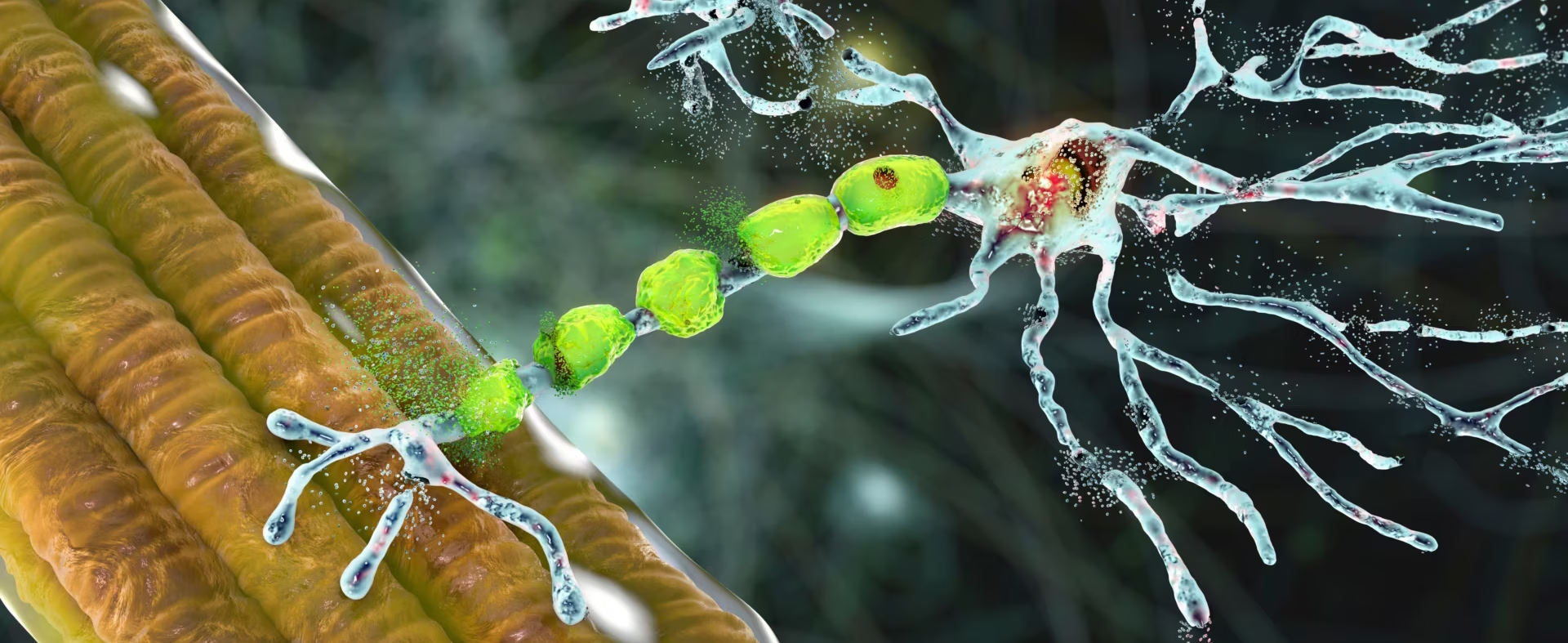
Neuromuscular diseases, characterized by muscle weakness, encompass a broad range of conditions that impair the function of voluntary muscles e.g. amyotrophic lateral sclerosis (ALS), multiple sclerosis (MS), myasthenia gravis and spinal muscular atrophy (SMA). The treatment landscape for neuromuscular diseases has seen numerous developments. Patients with SMA have had access to a range of new therapies including novel SMN-targeted treatments, antisense oligonucleotides and virus-mediated gene therapy. Likewise for patients with MS, with the introduction of new disease-modifying agents.
Browse video highlights and short articles from the conference hub, providing insights into the latest updates from major conferences and peer-reviewed articles from the journal portfolio. This is complimented by a range of educational activities from our expert faculty, with patient outcomes at the forefront.
Our supporting partners do not constitute an endorsement of the content on this page.
The phase 3 FUSION trial has met its primary endpoint, with the RNA-targeted therapy ulefnersen demonstrating a significant benefit across a combined measure of function and survival in people with fused in sarcoma-associated amyotrophic lateral sclerosis. Ulefnersen, an investigational antisense oligonucleotide ...

Prof. Kenneth Gorson discusses the unmet need in Guillain–Barré syndrome, the phase 3 GBS-02 trial data evaluating tanruprubart, and how complement inhibition could improve recovery while reducing the long-term healthcare burden of this disabling disease. [touchplayvideo video_id="nt33qaui86"] &...


Highlights from the European Academy of Neurology (EAN) 2026 Congress included new phase 3 data in ocular myasthenia gravis, emerging migraine treatments, longer-term results in multiple sclerosis, and advances in deep brain stimulation for Parkinson’s disease. The 12th Congress of the ...
Meet the future leaders transforming neurology The touchNEUROLOGY Future Leaders 2026 programme recognizes outstanding early- and mid-career clinicians, researchers and scientists who are shaping the future of neurology. Nominated by peers across the global neurology community, these innovators are leading advances ...









Prof. Amanda Piquet discusses the KYSA-8 miv-cel trial in refractory stiff-person syndrome, including efficacy findings, safety outcomes and the future role of CD19 CAR T-cell therapy in autoimmune neurologic disease. At the American Academy of Neurology Annual Meeting 2026, Prof. Amanda ...

Leading experts share their perspectives on the most important therapeutic and treatment updates at AAN 2026 and discuss how these findings may shape the future of neurologic care At American Academy of Neurology (AAN) Annual Meeting, Chicago, IL, USA, April 18–22, 2026, major ...

Emerging data from AAN 2026 across neuroimmunology, epilepsy, neuromuscular disease, movement disorders and neuroinfectious disease highlighted the continued evolution of neurology toward more precise, personalized and mechanism-driven care. The American Academy of Neurology (AAN) Annual Meeting, Chicago, IL, USA, from April 18–22, 2026, ...


The late-breaking science sessions at AAN Annual Meeting 2026, Chicago, IL, USA brought together a wide range of pivotal and practice-shaping data spanning rare disease, neuroimmunology, headache, epilepsy, neurodegeneration and neuromuscular medicine. Several presentations reported positive phase III findings, while others ...


The US Food and Drug Administration (FDA) has approved onasemnogene abeparvovec-brve (Itvisma™) for the treatment of spinal muscular atrophy (SMA) in patients aged 2 years and older, including adolescents and adults with confirmed SMN1 gene mutations.

Learn about the benefits and limitations of healthcare claims data in Friedreich ataxia.
Log into your Touch Account
Keep track of your clinical interests and newsletter subscriptions.
Sign up with an Email
Or use a .
Register now for FREE access
Already registered? Login below.