New X-TOLE2 findings highlight the potential of azetukalner in treatment-resistant focal epilepsy

Despite a growing number of available therapies, many people with Focal epilepsy continue to experience uncontrolled seizures, highlighting the ongoing need for more effective and better tolerated treatment options.
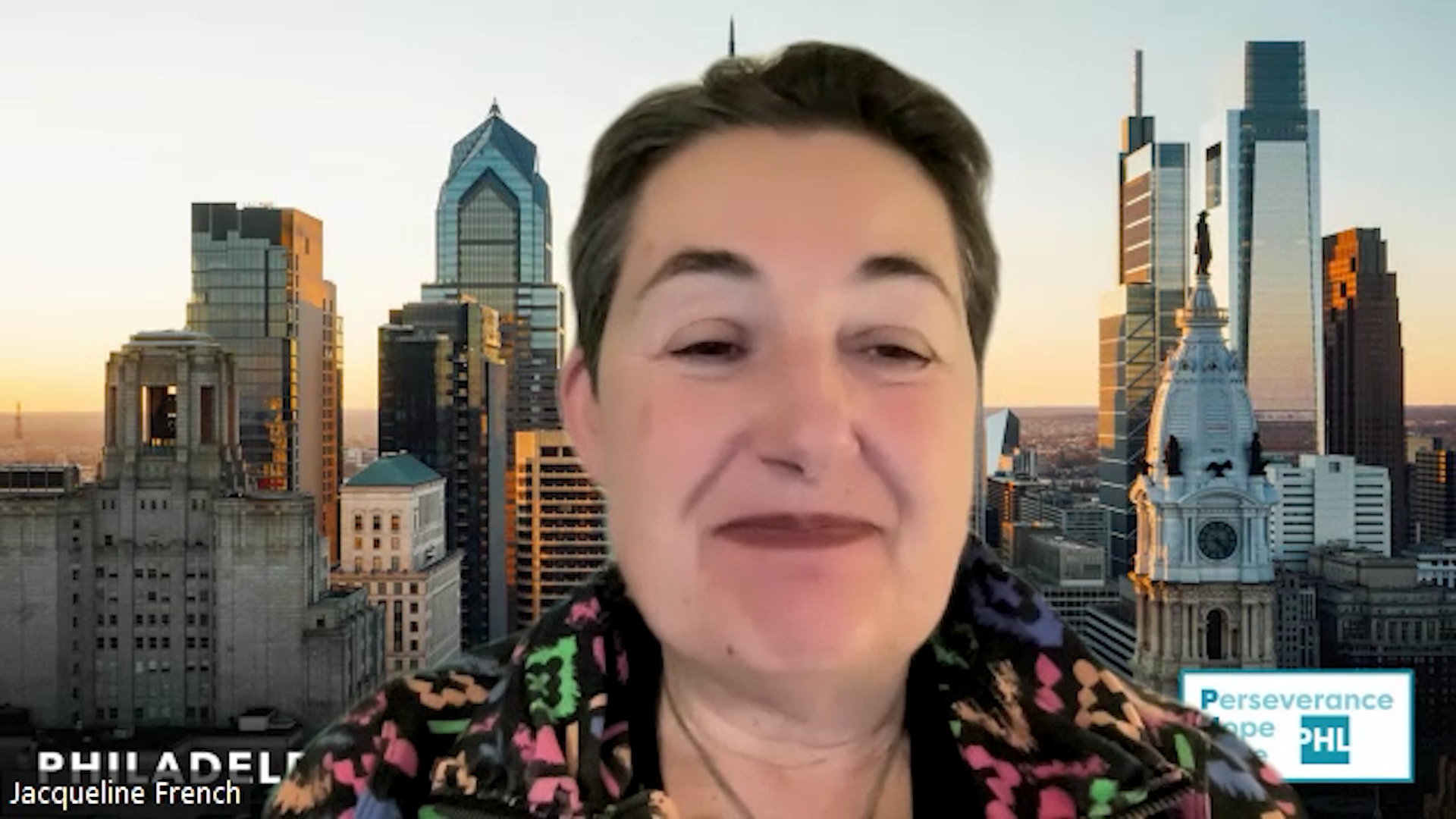
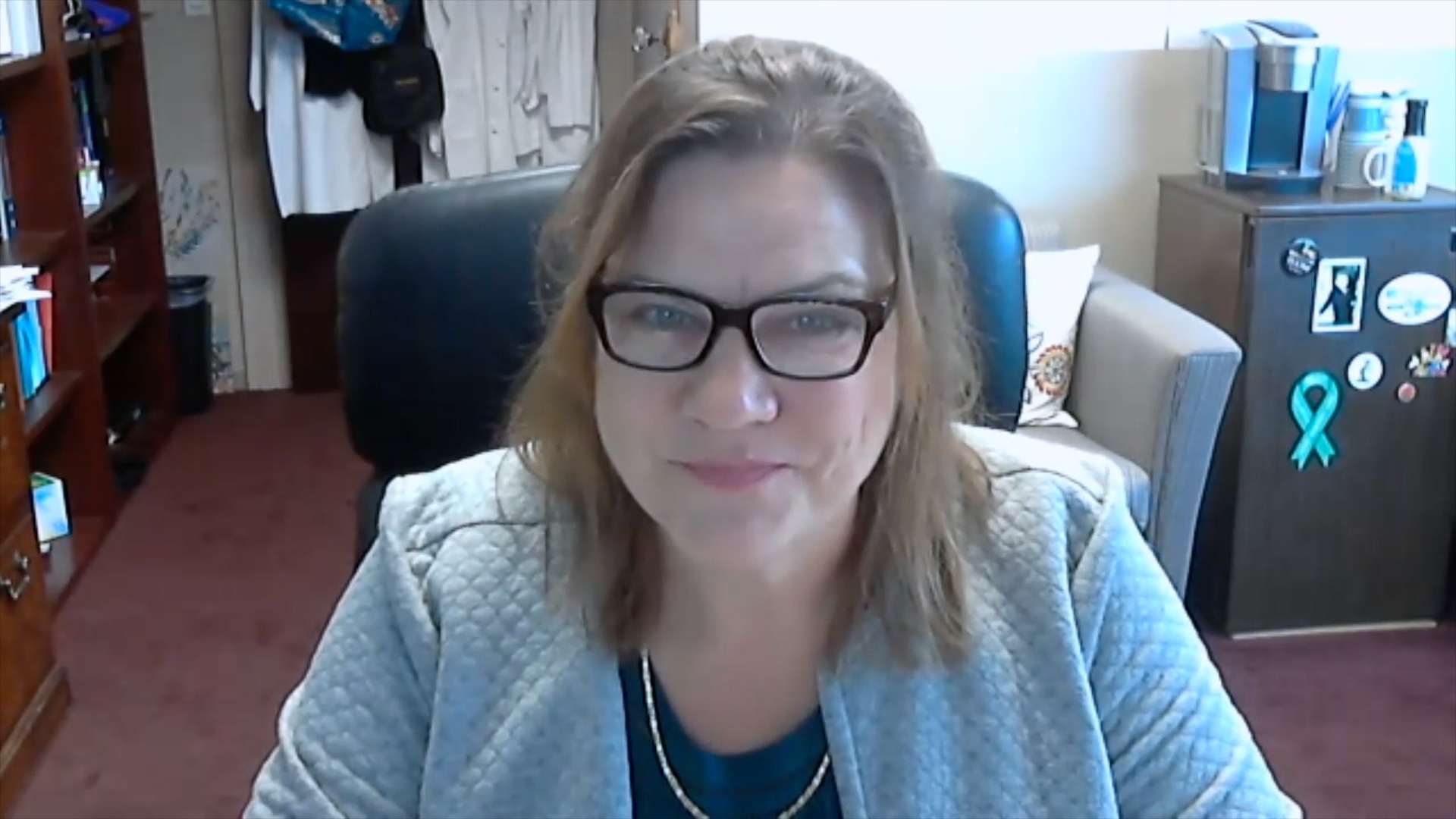
We met with American Academy of Neurology 2026, Prof. Jacqueline French (NYU Comprehensive Epilepsy Center, New York, NY, USA), discusses the phase 3 X-TOLE2 trial evaluating azetukalner, a once-daily KV7 potassium channel opener, and what these results could mean for the future treatment landscape in focal epilepsy.
Presented at AAN 2026: Results From the Phase 3 X-TOLE2 Study Evaluating Azetukalner, a Novel, Potent KV7 Channel Opener, in Adults With Focal Onset Seizures (FOS). LS1: Late-breaking Science 1.
Q. Could you tell us about the current treatment landscape for focal onset seizures, and what unmet needs remain for adults whose seizures are not adequately controlled?
Focal-onset seizures remain the most common seizure type in adults. We have many effective antiseizure medications (ASM), including sodium channel agents, SV2A ligands, GABAergic drugs, AMPA receptor antagonists and newer options such as cenobamate, which was last approved in 2019.
Other ASMs are also in development. However, despite the number of treatment options available, around one-third of people with focal epilepsy continue to have seizures despite sequential medication trials.
Challenges also remain around tolerability, drug interactions, titration burden, cognitive effects, dizziness and somnolence.
Q. What is azetukalner, and what is the rationale for targeting KV7 channels as a treatment approach for focal onset seizures?
Azetukalner, formerly XEN1101, is an investigational, oral, once-daily KV7 potassium channel opener. KV7 channels help stabilize neuronal membrane excitability. Opening these channels can reduce repetitive neuronal firing, which is a rational approach in focal epilepsy. Several KV7 channel openers are currently in development, and they have demonstrated an excellent efficacy profile across a number of preclinical epilepsy models.
Q. Could you talk us through the design of the phase 3 X-TOLE2 study, including the patient population and the key efficacy and safety endpoints?
X-TOLE2 was a phase 3, multicenter, randomized, double-blind, placebo-controlled adjunctive therapy study in adults with focal-onset seizures. Patients were randomized 1:1:1 to azetukalner 15 mg, azetukalner 25 mg or placebo, once daily with food, for a 12-week double-blind period. Azetukalner was initiated without titration.
The population was quite refractory: median baseline seizure frequency was about 12.75 focal seizures per month, the median number of prior failed ASMs was five and 51.3% were taking three concomitant ASMs. About 40% were taking cenobamate at study entry, and 19% had previously discontinued cenobamate.
The primary endpoint was median percent change in monthly focal-onset seizure frequency. Key secondary endpoints included a ≥50% responder rate, week 1 seizure-frequency change and patient global impression of change. Safety endpoints included treatment-emergent adverse events (TEAEs) and serious TEAEs.
Q. What were the main efficacy and tolerability findings from X-TOLE2, and how do these results build on the earlier Phase 2b X-TOLE study?
X-TOLE2 was positive. Monthly focal-onset seizures fell by 53.2% with 25 mg, 34.5% with 15 mg and 10.4% with placebo, with both doses statistically superior to placebo. For X-TOLE2, an important outcome was seizure reduction at week 1, which confirmed an early onset of action consistent with the absence of a titration period.
The doses were also slightly different from the earlier X-TOLE study. In X-TOLE there were 10 mg and 20 mg doses, whereas X-TOLE2 included a 15 mg dose. The 15 mg dose appears to be a good initial starting dose, as it was well tolerated with few dropouts.
The seizure-freedom signal is also worth noting: 100% seizure reduction over the full double-blind period occurred in 6.5% of patients on 25 mg versus 0.8% on placebo, with higher seizure-free proportions seen in later treatment windows as drug exposure accumulated.
Tolerability looked consistent with the phase 2b X-TOLE study. Common TEAEs were dizziness, headache, somnolence and fatigue, while serious TEAEs were low. Dropouts were somewhat higher at 25 mg, which had already been seen in X-TOLE.
Q. If approved, what could azetukalner mean for clinical practice, and what are the next steps toward making this therapy available for people living with epilepsy?
There are not many efficacious ASMs that offer the possibility of substantial seizure reduction or seizure freedom, together with the ease of use provided by azetukalner through once-daily dosing and no titration. In addition, the very long half-life of 11 days should mean less risk of breakthrough seizures in the event of a late or missed dose. Xenon Pharmaceuticals has said it plans an U.S. Food and Drug Administration NDA submission in Q3 2026.
Q. What did you find were the most important therapeutic and treatment updates presented at AAN 2026?
In the field of epilepsy, my top treatment updates at AAN this year were:
First, azetukalner X-TOLE2, because it delivered a large Phase 3 focal-onset seizure signal in a highly treatment-resistant population and appears positioned for near-term regulatory submission.
Second, RAP-219, a TARPγ8 AMPA receptor negative allosteric modulator. In an open-label Phase 2a focal epilepsy study using RNS long episodes as an objective biomarker, follow-up data showed sustained reductions in long episodes and clinical seizures, with planned Phase 3 trials expected to start in Q2 2026.
Third, there was a great deal of discussion around gene-based therapies targeting monogenic epilepsies that are moving toward the clinic. This represents the dawn of a new era, shifting from antiseizure medicines as symptomatic therapy toward future disease-targeted and disease-modifying therapies. Having said that, there is no doubt that for many people with Epilepsy, antiseizure medicines will still be needed for the foreseeable future.
More content in epilepsy
Cite: Jacqueline French. Azetukalner in focal epilepsy: Phase 3 X-TOLE2 results and the future of KV7-targeted therapy. touchNEUROLOGY. 27 April 2026.
Abstract: J French. Results From the Phase 3 X-TOLE2 Study Evaluating Azetukalner, a Novel, Potent KV7 Channel Opener, in Adults With Focal Onset Seizures (FOS). LS1: Late-breaking Science 1. Presented at American Academy of Neurology 2026. April 18-22, Chicago, USA.
Editor: Katey Gabrysch, Editorial Director.
Disclosures: Jacqueline French receives salary support from the Epilepsy Foundation and from Epilepsy Study Consortium for consulting work and/or attending Scientific Advisory Boards for Acadia Pharmaceuticals, Access Industries, Actio Biosciences Inc., Acuta Capital Partners, Adraxe, AFASCI Inc, Agrithera, Inc., Alkermes, Alterity Therapeutics Limited, Angelini Pharma S.p.A, Autifony Therapeutics Limited, Axonis Therapeutics, Bain Capital, Beacon Biosignals, Inc., Biogen, Biohaven Pharmaceuticals, Bloom Science Inc., BMJ Best Practice Group, Bright Minds Biosciences, Inc., Capsida Biotherapeutics, Cassava Science, Inc, Cerebral Therapeutics, Cerevel, Ceribell, Cognizance Biomarkers, Cowen and Company, LLC, Crossject, EcoR1 Capital, EG 427, Encoded Therapeutics, EpiMinder, Epitel Inc, Grin Therapeutics, Harmony/Epygenix, Immedica, Ionis Pharmaceuticals, iQure Pharma Inc, IQVIA RDS Inc, Janssen Pharmaceutica, Jazz Pharmaceuticals, Leal Therapeutics Inc, LivaNova, London Research & Pharmaceuticals, Longboard Pharmaceuticals, Lundbeck, Maplight Therapeutics, Marinus, Medscape/Web MD, Medtronics, Modulight.bio, Montara Therapeutics, Mosaica Therapeutics, Neumarker, Neumirna Therapeutics, Neurelis, Neurocrine, Neurona Therapeutics, NeuroPace, Inc., NeuroPro Therapeutics, Neuroventis, Neurvati, Noema Pharma, Ono Pharmaceutical Co., Otsuka Pharmaceutical Development, Ovid Therapeutics Inc., Praxis, PureTech LTY Inc., QurAlis, Rapport Therapeutics, Inc., Rivervest Venture Partners, Sage Therapeutics, Inc., Saniona, Servier, Signant Health, SK Life Sciences, Stoke, Stream Neuroscience, Supernus, Takeda, Taysha Gene Therapies, Tortugas Neuroscience, Inc., UCB Inc., UnEEG, uniQure, Ventus Therapeutics, Vida Ventures Management, Xenon. J. French has also received research support, and is on the advisory board for the Epilepsy Study Consortium (Funded by Eisai and UCB,) Epilepsy Study Consortium/Epilepsy Foundation (Funded by UCB), GW/FACES/One8Foundation, NINDS and Praxis; and has recieved honoraria/honorarium from BMJ Best Practice.
The content was developed and edited by human editors. No fees or funding were associated with its publication. touchNEUROLOGY utilize AI as an editorial tool (ChatGPT (GPT-4o) [Large language model]. https://chat.openai.com/chat).
This content has been developed independently by Touch Medical Media for touchNEUROLOGY in collaboration with Prof. Jacqueline French. Views expressed are the speaker’s own and do not necessarily reflect the views of Touch Medical Media.
SIGN UP to touchNEUROLOGY!
Join our global community today for access to thousands of peer-reviewed articles, expert insights, and learn-on-the-go education across 150+ specialties, plus concise email updates and newsletters so you never miss out.