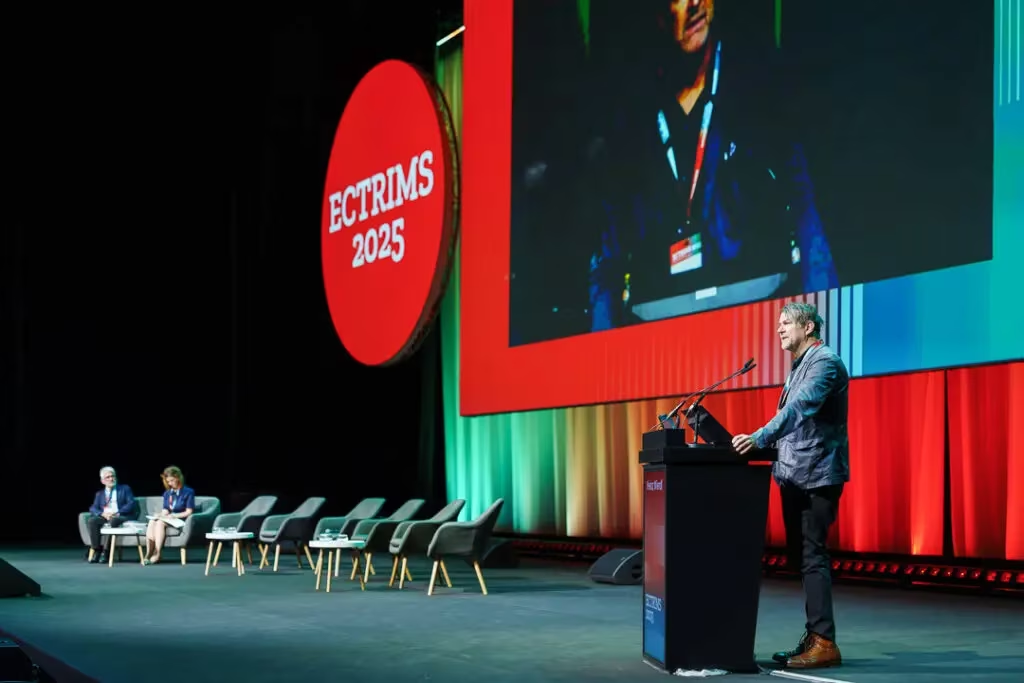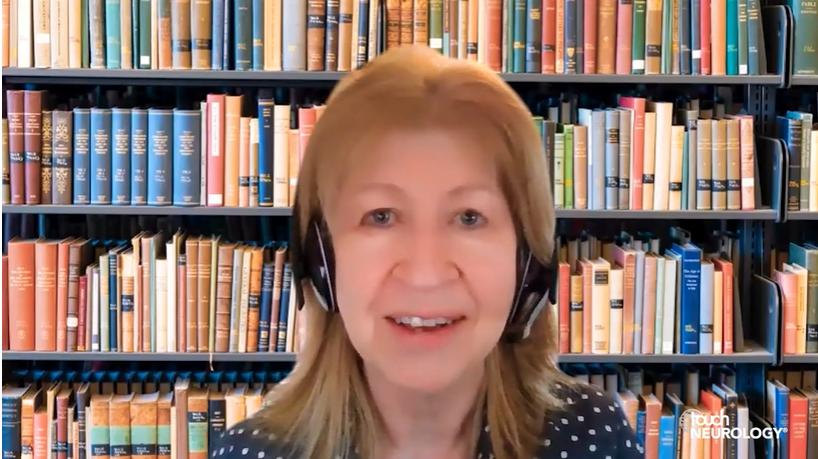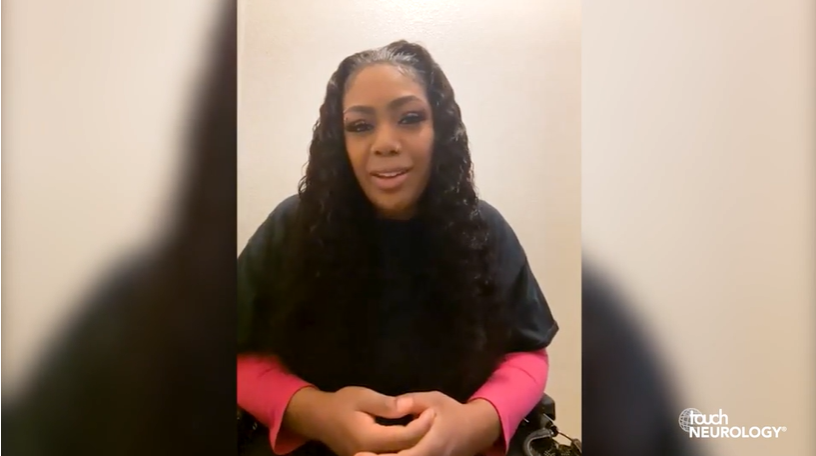
At ECTRIMS 2025, leading experts in multiple sclerosis (MS) research and care reflected on the latest advances shaping the field.
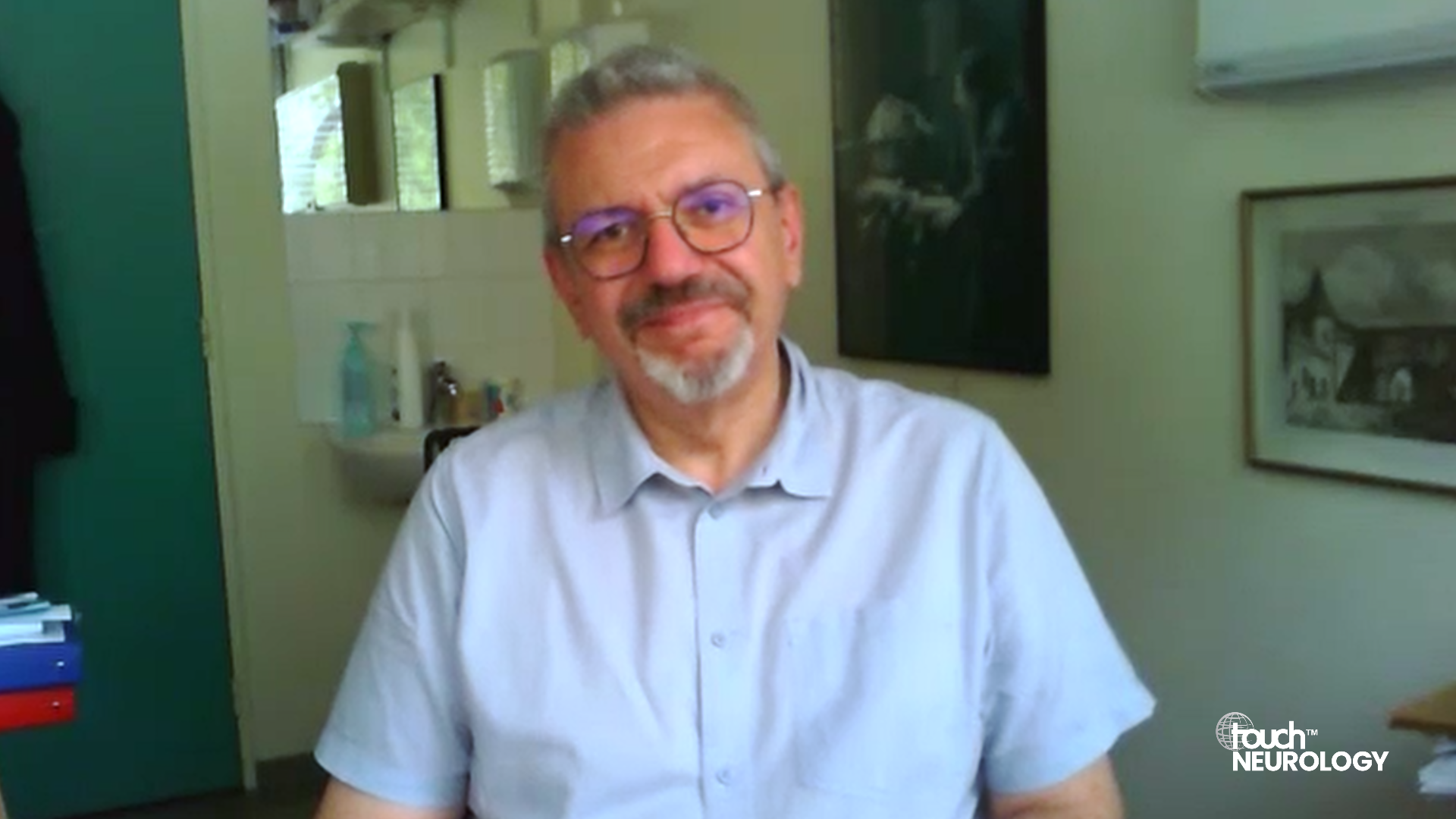
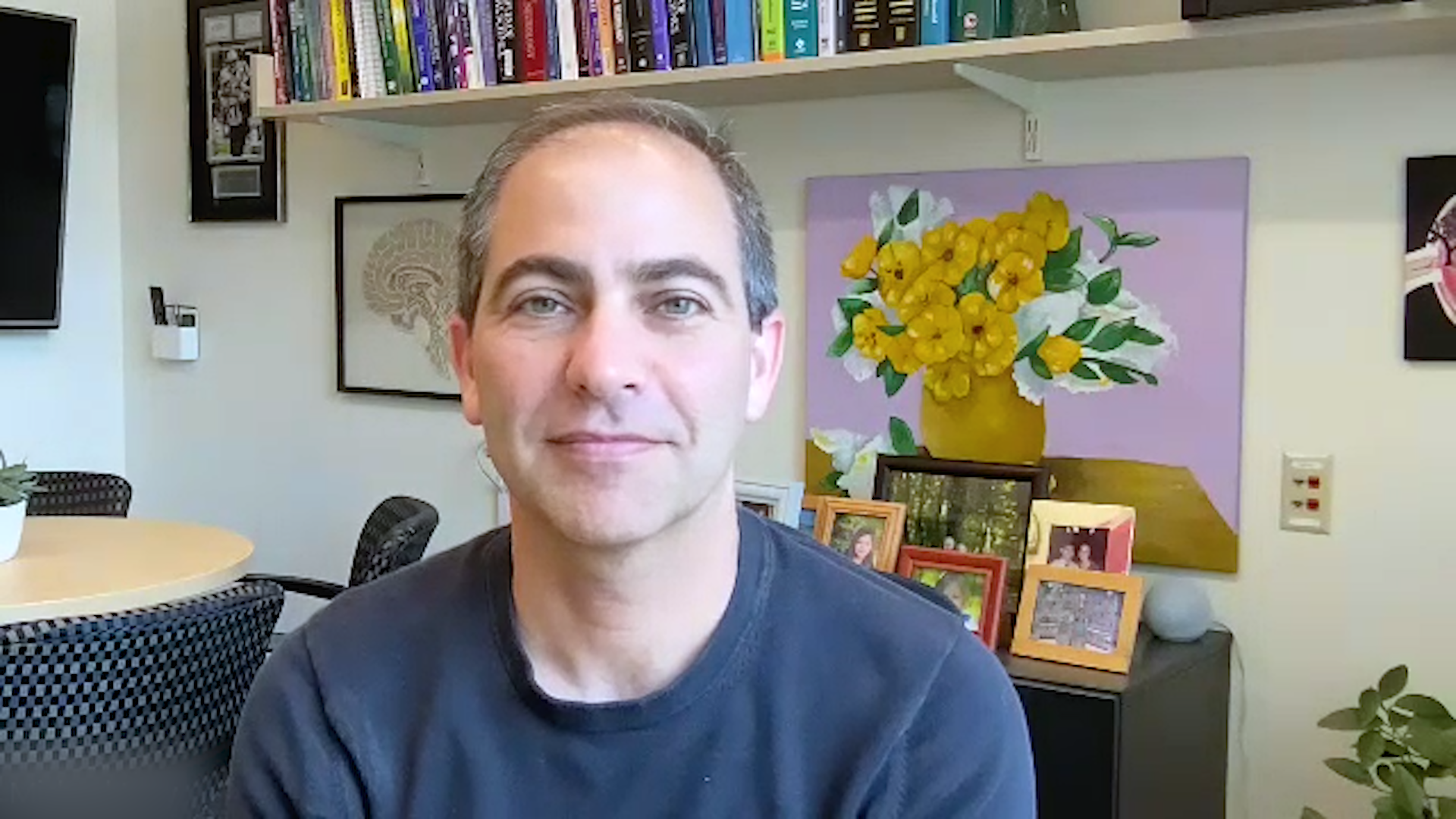
From novel immunotherapies and evolving B-cell treatment strategies to emerging insights into chronic inflammation, neuroprotection, and repair – Prof. Anders Svenningsson, Dr Marcello Moccia, and Dr Seema Kalra share their perspectives on some of the most promising developments and ongoing research challenges.
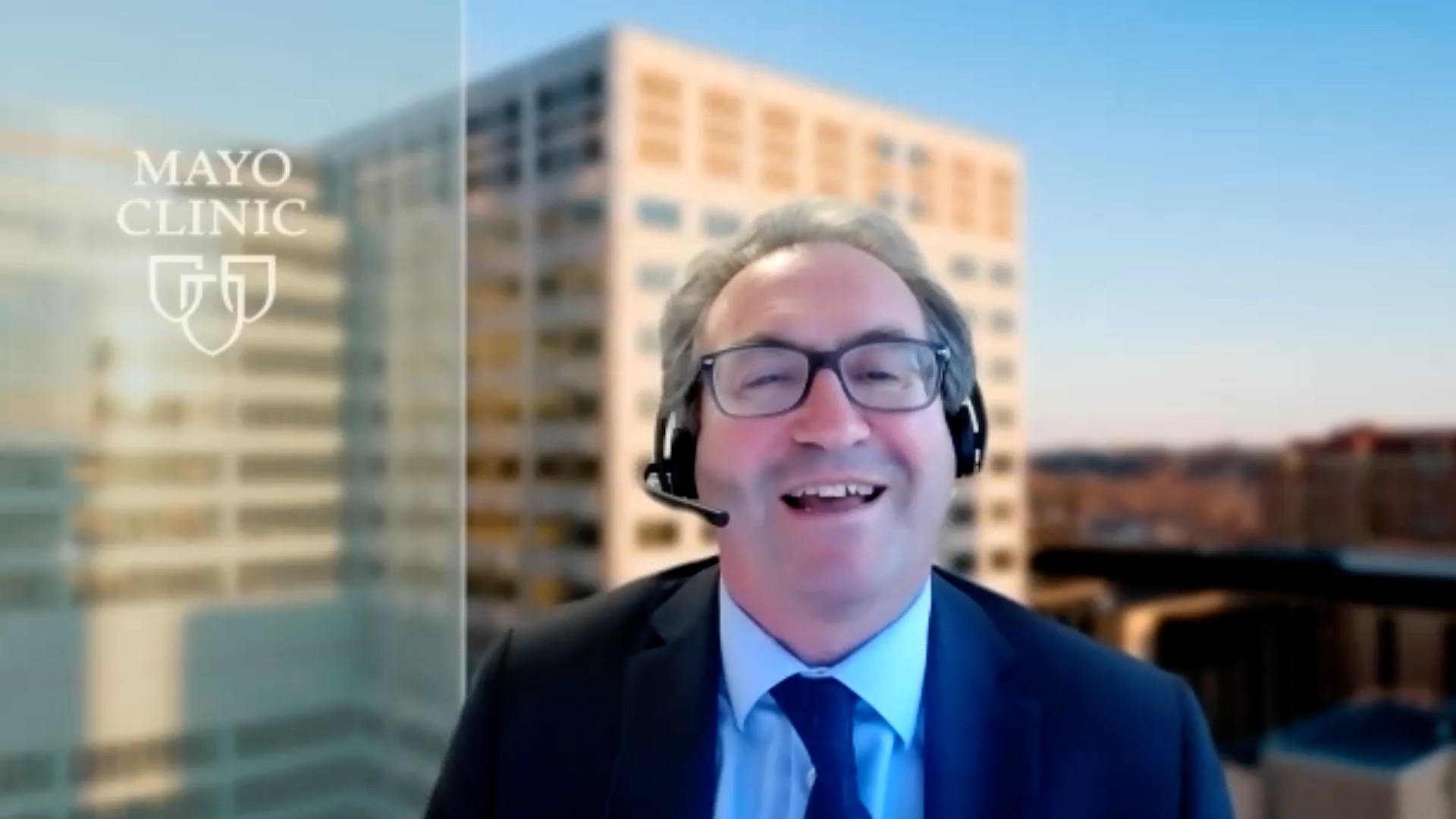
 Prof. Anders Svenningsson
Professor of Neurology, Karolinska Institutet; Consultant, Danderyd Hospital, Stockholm, Sweden
We didn’t see as much new material this year from Bruton’s tyrosine kinase (BTK) inhibitors, which were a big topic last year, but the concept of treating inflammation inside the central nervous system (CNS) remains very interesting. Some newer BTK inhibitors showed better effects on the relapsing phase, while tolebrutinib had more impact on progression, which is fascinating.
I also think anti-CD40 therapy in MS could be very promising, as it targets the interaction between B cells and T cells in a different way.
And then there’s CAR T-cell therapy, which is extremely exciting. If given early, it could have long-term effects on both inflammatory and progressive disease components, acting almost like a reset of the immune system. It’s not ready for routine care yet, it’s too resource-intensive, but it might one day be an alternative to autologous stem-cell transplantation.
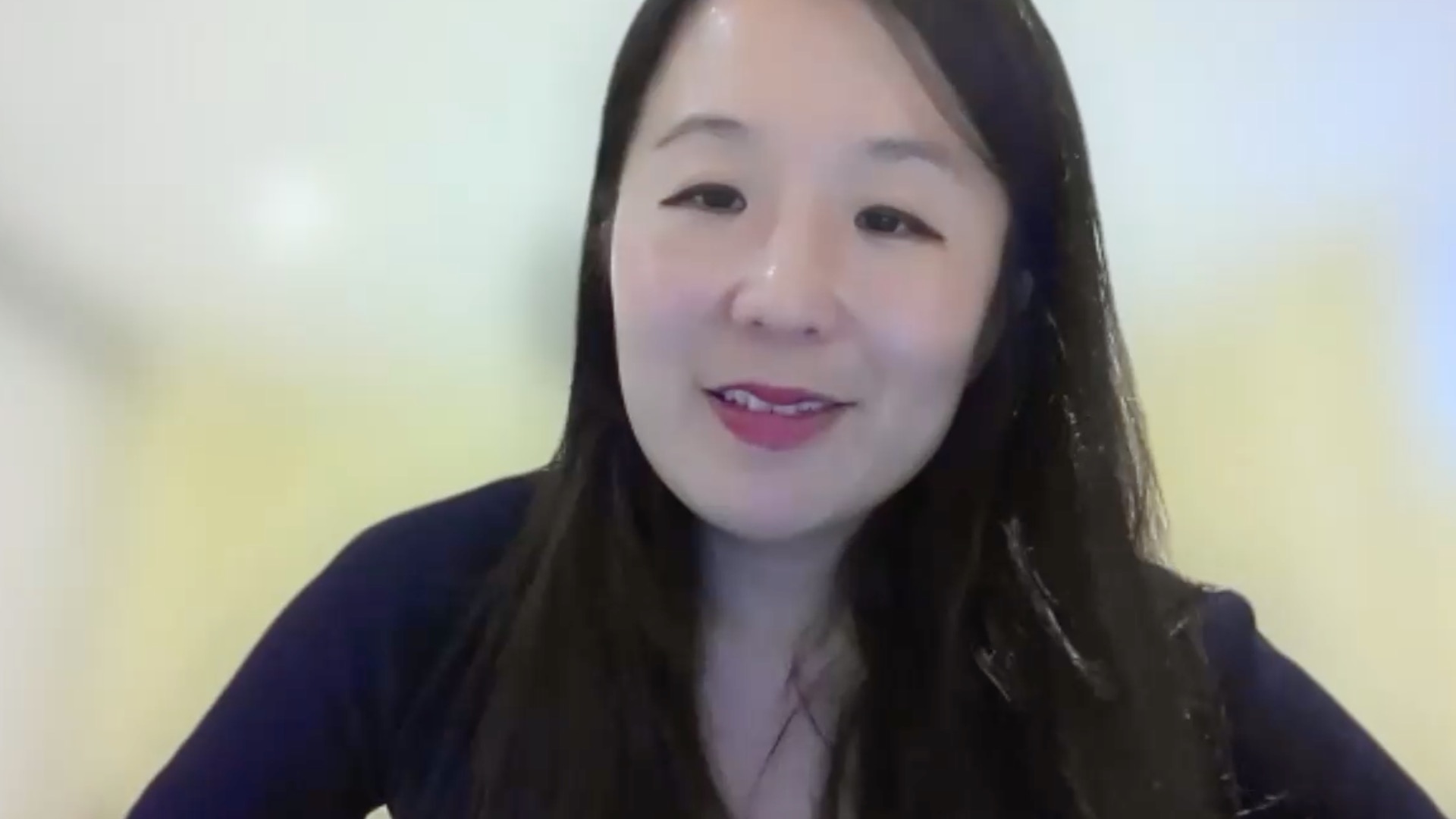
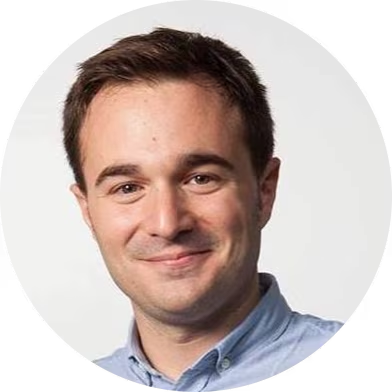 Dr Marcello Moccia
Associate Professor, University of Naples Federico II, Italy
At ECTRIMS 2025, several presentations addressed one of the biggest remaining challenges in MS: chronic inflammation and the mechanisms that drive long-term disability progression.
We have become very effective at treating acute inflammation, that is, relapses and new inflammatory lesions in the brain and spinal cord, but tackling the chronic component remains more difficult. Encouragingly, new data on Bruton’s tyrosine kinase (BTK) inhibitors suggest that these agents could target both active and smouldering inflammation. These effects were supported not only by MRI outcomes but also by emerging biomarker correlations.
Another highlight was the evidence of potential remyelination effects from a combination of metformin and clemastine, two existing, widely used drugs. This points to the exciting potential of drug repurposing as a complementary strategy alongside novel agents.
Finally, many studies focused on biomarkers of treatment response, both imaging-based and blood-derived, which are essential to accelerate research, shorten clinical trials, and move toward truly personalised MS therapy. It’s a very exciting time for MS research, with genuine opportunities to refine diagnosis, treatment, and long-term management.
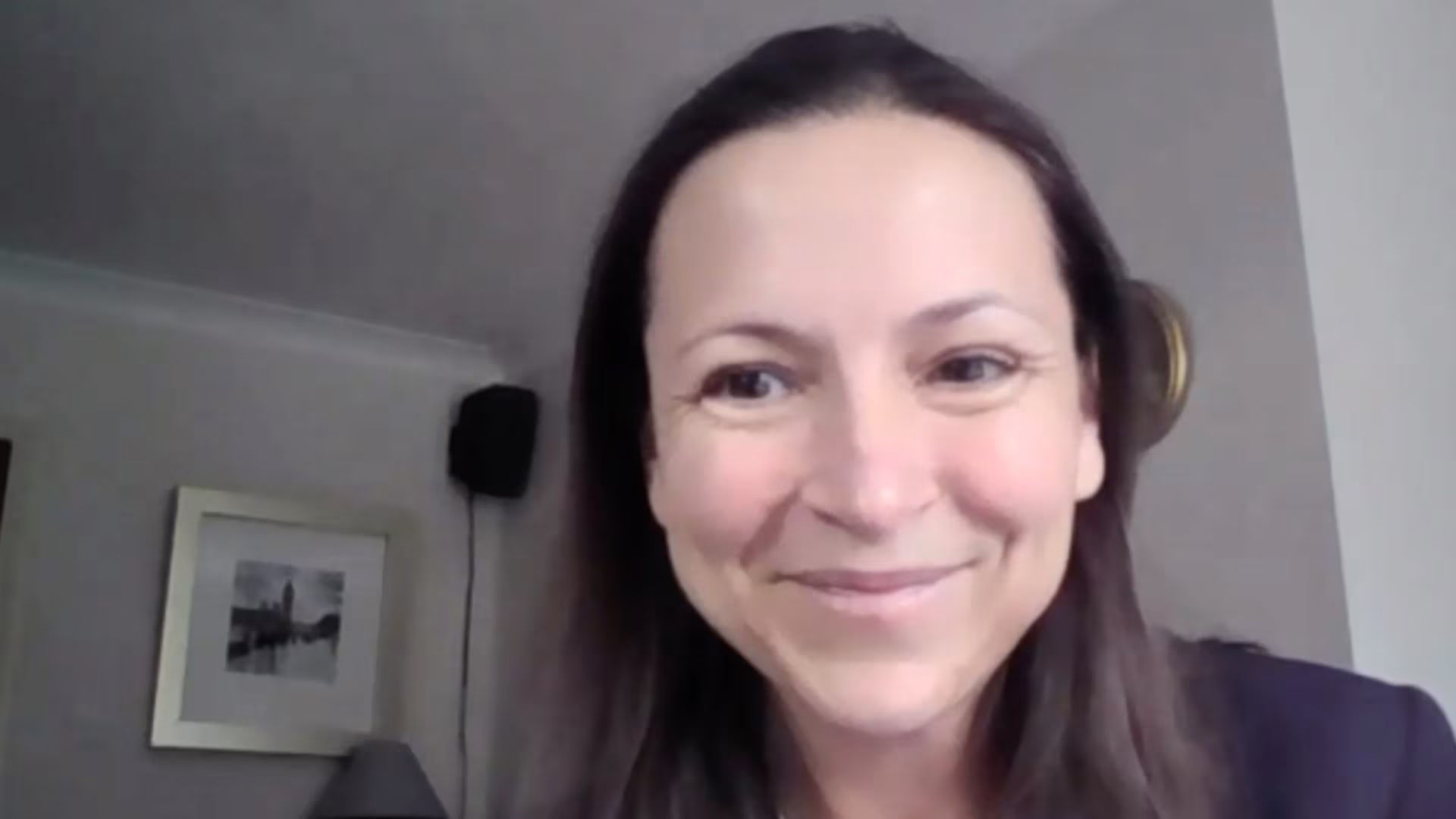
 Dr Seema Kalra
Consultant Neurologist, University Hospital of North Midlands; Research Lead, Royal Stoke MS Centre, Stoke, UK
There was quite a lot of discussion around derisking B-cell therapies, particularly anti-CD20 monoclonal antibodies such as ocrelizumab, ofatumumab, and ublituximab. The debate was less about their efficacy, as they are well established, and more about how we dose them.
During COVID-19, there was a move towards extended dosing intervals because of concerns about immunity and infection risk. This year, I sensed a shift. The focus was more on whether we should accelerate dosing in cases where there is evidence of disease activity using the above biomarkers, age-normalized neurofilament light (NfL) values, and glial fibrillary acidic protein (GFAP) values if these remain high.
Results from trials investigating BTK inhibitors were presented. Lake breaking news covered new data on tolebrutinib. Data on CAR-T therapy, was also presented. These are important topics, and the data and discussion need much more time to expand on. In addition, there were also very important therapeutic updates in neuromyelitis optica (NMO) and myelin oligodendrocyte glycoprotein antibody-associated disease (MOGAD).
© ECTRIMS 2025
Related content
Integrating imaging and biomarkers in the revised McDonald criteria
MS diagnostic criteria, biomarkers and therapeutics
Extending rituximab dosing intervals in MS: Pivotal data from the RIDOSE-MS trial
New McDonald criteria revisions: 6 key updates
This content has been developed independently by Touch Medical Media for touchNEUROLOGY. Views expressed are the speaker’s own and do not necessarily reflect the views of Touch Medical Media.
Editor: Katey Gabrysch, Editorial Director.
Disclosures: This short article was prepared by touchNEUROLOGY in collaboration with the speakers. The content was developed and edited by human editors. No fees or funding were associated with its publication. touchNEUROLOGY utilize AI as an editorial tool (ChatGPT (GPT-4o) [Large language model]. https://chat.openai.com/chat).
Prof. Anders Svenningsson has received grant/research support from the Swedish Medical Research Council.
Cite: Expert voices shaping MS care: Highlights from ECTRIMS 2025. touchNEUROLOGY. 06 November 2025.
Register now to receive the touchNEUROLOGY newsletter!
Don’t miss out on hearing about our latest peer reviewed articles, expert opinions, conference news, podcasts and more.