 Practical strategies to improve migraine recognition, optimize acute treatment, and support more consistent, individualized care in primary-care settings

Migraine is a common and disabling neurological disorder that is frequently managed in primary care. However, gaps in recognition, diagnosis, and acute management can contribute to undertreatment, prolonged disability, unnecessary emergency visits, and medication overuse.1,2
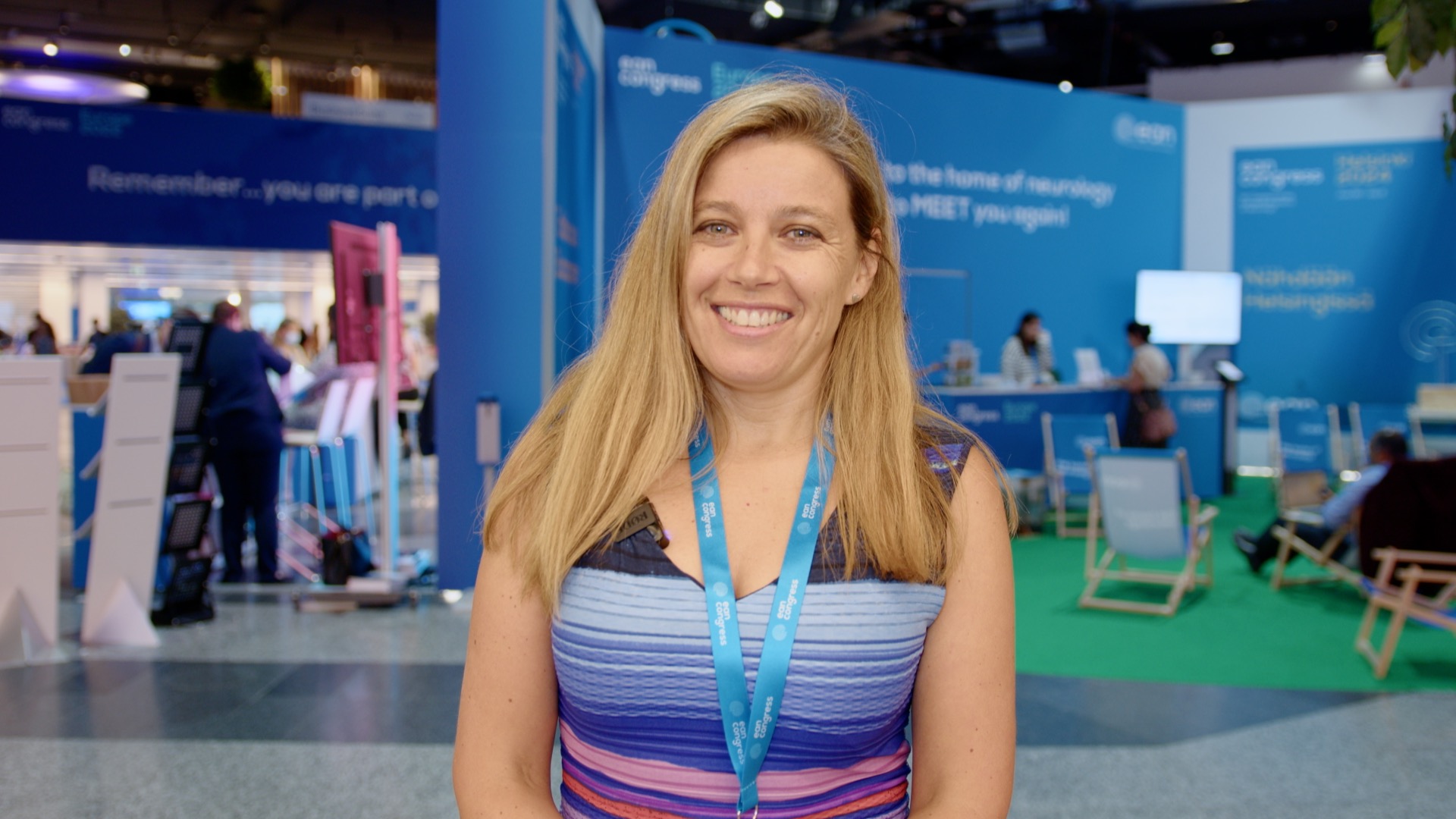
As part of the Neurology Now series, Dr Irma Savitri Madjid, Dr Ahmad Rafi Faiq, and Dr Aditya Putra (Department of Neurology, Faculty of Medicine, Universitas Indonesia, Jakarta, Indonesia) discuss practical approaches to recognizing migraine, optimizing acute treatment, identifying suboptimal treatment response, and individualizing management, with a particular focus on delivering guideline-aligned care in resource-limited primary-care settings in Indonesia.

Dr Irma Savitri Madjid
Neurologist at Dr Cipto Mangunkusumo Hospital and the Faculty of Medicine, Universitas Indonesia, with clinical and research interests in headache, pain, and neuro-oncology. Her work focuses particularly on headache education in primary care and improving access to evidence-based headache management.

Dr Ahmad Rafi Faiq
Neurology resident at the Faculty of Medicine, Universitas Indonesia, with research interests in headache medicine, neuro-oncology, medical education, and digital health. He has contributed to the development of the Guardian Headache Diary to support systematic headache monitoring and assessment.

Dr Aditya Putra
Neurology resident at the Faculty of Medicine, Universitas Indonesia, with research interests in headache medicine, primary care, community engagement, and evidence-based medicine. His work focuses on improving headache recognition and management through education, systematic assessment, and public-health initiatives.
What are the most important gaps you currently see in the recognition and acute management of migraine in primary care, and what impact can these have on patients?
A major gap is that migraine is still frequently managed simply as “headache” or “cephalgia,” without structured assessment of migraine features, frequency, disability, medication use, and red flags. In our recent study, general practitioners (GPs) often defaulted to generic International Classification of Diseases, 10th Revision (ICD-10), diagnoses rather than specific migraine diagnoses based on the International Classification of Headache Disorders, 3rd edition (ICHD-3).1 In Indonesia, confusion between headache and “dizziness” can further complicate recognition, while medication-overuse headache (MOH) is often overlooked and is not well represented in the current primary-care competency framework.
Even when migraine is recognized, patients may not receive a clear acute treatment plan outlining what to take, when to take it, what to do if treatment fails, and how frequently acute medication can safely be used. These gaps can lead to prolonged untreated attacks, disability, unnecessary emergency visits, and medication overuse.
The European Headache Federation (EHF) and Lifting The Burden emphasize that common headache disorders should principally be managed in primary care.2 Strengthening primary care therefore means enabling clinicians to recognize migraine, exclude secondary headache, identify MOH, treat appropriately, and know when to refer.
What does effective acute migraine treatment look like in practice, and how can primary-care clinicians help patients understand the importance of treating attacks appropriately and at the right time?
Effective acute treatment should aim for rapid and meaningful relief of headache and associated symptoms, restoration of normal function, minimal adverse effects, and prevention of recurrence. Patients should have an agreed treatment plan and, where appropriate, be encouraged to treat attacks early rather than waiting until pain becomes severe.
Depending on the patient and the characteristics of the attack, treatment may include an appropriate nonsteroidal anti-inflammatory drug (NSAID) or other analgesic, a triptan where indicated and available, and an antiemetic or non-oral treatment when nausea or vomiting interferes with oral therapy. The 2024 International Headache Society (IHS) recommendations are particularly useful globally because they distinguish between optimal and essential treatment options, recognizing settings where access to migraine-specific medicines may be limited.3
Patient education is equally important. Patients should know what to take, when to take it, what to do if treatment does not work, and how frequently acute medication can safely be used. A simple headache diary can also help monitor headache frequency, symptoms, treatment response, and medication use.4
It is also important to define what successful migraine management should ultimately achieve. The 2025 IHS position statement on migraine prevention proposes four levels of control: migraine freedom, defined as no days with migraine or moderate-to-severe headache; optimal control, defined as fewer than 4 such days per month; modest control, defined as 4–6 days; and insufficient control, defined as more than 6 days.5 This shifts the focus from percentage reductions alone, such as a 50% reduction in migraine frequency, toward the absolute residual burden experienced by patients.
In resource-limited settings, cultural meanings, health beliefs, and traditional medicine can strongly influence how patients interpret headache symptoms, seek care, and engage with treatment. Traditional, herbal, physical, and spiritual approaches may form part of patients’ usual pathways to care, and culturally grounded beliefs may sometimes contribute to delayed biomedical care when misconceptions or unsafe practices predominate.6 These perspectives should therefore be explored respectfully during clinical encounters, while ensuring that patients have access to safe, effective, and evidence-based headache treatment.
How should clinicians identify when a patient’s current acute treatment is providing a suboptimal response, and what factors should prompt a change in management?
Treatment success should be assessed prospectively rather than simply asking whether the headache eventually went away. Clinicians should consider four questions: Did the treatment provide meaningful relief? Did the patient return to normal function? Was the improvement sustained without early recurrence? And was the treatment well tolerated?
The EHF defines effective treatment as restoration of well-being, including improvement in headache and non-pain symptoms without meaningful adverse events, within 2 hours of treatment and maintained for at least 24 hours.7
Clinicians should also assess how frequently acute medication is being used. The IHS recommendations for acute treatment emphasize limiting acute medication use to reduce the risk of MOH,3 while the IHS recommendations for preventive treatment advise considering preventive therapy when attacks are frequent, acute treatment is ineffective, or acute medications are being used frequently.8
In Indonesia, this remains an important implementation gap. Although some preventive medicines, such as propranolol and amitriptyline, are available within the national formulary, GPs may rarely initiate them because of limited confidence regarding indications, alongside practical reimbursement and prescribing constraints.1 Strengthening preventive-care pathways is therefore as important as optimizing acute treatment.
How can acute migraine treatment be individualized according to factors such as previous treatment response, comorbidities, patient preferences, and the characteristics of individual attacks?
There is no single acute treatment that is optimal for every patient, or even for every attack in the same patient. Treatment should be individualized according to the patient, the attack, and the treatment itself.
Previous treatment response is particularly informative. If a treatment consistently provides meaningful relief, restores function, and is well tolerated, there may be little reason to change it. Conversely, repeated inadequate response or troublesome adverse effects should prompt consideration of an alternative treatment or formulation.
Attack characteristics also matter. Rapidly escalating or severe attacks, prominent nausea or vomiting, and previous failure of oral treatment may influence the choice, timing, or route of administration. Comorbidities and contraindications should guide drug selection, while patient preferences, including concerns about adverse effects, convenience, cost, and availability, are essential considerations for adherence.
This is especially important in resource-limited settings. Individualization does not necessarily mean access to expensive newer therapies; it means selecting the safest, most effective, and feasible option available locally. The IHS recommendations explicitly support this approach by distinguishing between optimal and essential treatment options.3
Given the time and resource pressures within primary care, what practical strategies, tools, or educational approaches could help clinicians provide more consistent, guideline-aligned migraine care and know when specialist referral is appropriate?
The key is to make migraine care structured, simple, and reproducible. A concise headache axis can help clinicians systematically capture essential information for diagnosis and management, including headache phenotype, duration, intensity, location, associated symptoms, functional impact, and relevant biopsychosocial factors, without requiring a lengthy consultation.9
Patients should also be encouraged to keep a headache diary. Recording headache frequency, duration, severity, associated symptoms, disability, triggers, and acute medication use can help confirm the diagnosis, identify patterns, detect medication overuse, and assess whether treatment is actually working.2,4
Education should be case-based and focused on common primary-care scenarios rather than extensive specialist-level knowledge. Clinicians should have a simple pathway: recognize migraine, screen for red flags, assess burden and medication use, treat the attack, reassess response, consider prevention, and refer when the diagnosis or management is uncertain.2 This structured approach is particularly valuable where specialist headache services are limited.
Contributors
Dr Irma Savitri Madjid
Irma Savitri Madjid is a neurologist at Dr Cipto Mangunkusumo Hospital, Faculty of Medicine, Universitas Indonesia, with clinical interests in headache, pain, and neuro-oncology. She is currently pursuing a PhD at Universitas Indonesia, focusing on the development, implementation, and evaluation of a headache learning module for primary-care doctors in Indonesia. She also serves in a quality and patient safety role within the Department of Neurology.
Dr Madjid completed her medical degree at Universitas Indonesia and an Honours Degree of Bachelor of Medical Science at Monash University, Australia. Her research focuses on headache care, primary-care education, and access to evidence-based headache management. She has published in The Journal of Headache and Pain and other peer-reviewed journals. She is also coeditor of Panduan Dasar Lengkap Manajemen Nyeri Kepala (2026), the Indonesian adaptation of Aids to Management of Headache Disorders in Primary Care, developed by Lifting The Burden: the Global Campaign against Headache in collaboration with the European Headache Federation.
She is a co-opted Trustee of the International Headache Society, an editor for Acta Neurologica Indonesia, and a reviewer for Cephalalgia and Cephalalgia Reports. She was an EANO Mentorship Awardee in 2025.
Dr Ahmad Rafi Faiq
Ahmad Rafi Faiq is a neurology resident at the Faculty of Medicine, Universitas Indonesia, with research interests spanning headache medicine, neuro-oncology, and medical education. His work focuses on improving the recognition and management of neurological disorders through structured clinical approaches and digital health tools.
In headache medicine, Dr Faiq was Project Manager of Guardian Headache Diary, an Indonesian headache diary application designed to support patients in systematically recording headache characteristics, disability, and medication use. His publications include research on headache care, primary-care headache education, neuro-oncology, and headache assessment, including papers published in The Journal of Headache and Pain and Headache Medicine.
Dr Aditya Putra
Aditya Putra is a neurology resident at the Faculty of Medicine, Universitas Indonesia, with research interests in headache medicine, primary care, community engagement, and evidence-based medicine. His broader research experience includes systematic reviews and evidence synthesis across neurological and neurocognitive disorders.
His current work in headache medicine focuses on improving headache recognition and management in primary care, including research on the educational needs of primary-care physicians and systematic approaches to headache assessment. In addition to his clinical and research activities, Dr Putra is involved with Portkesmas (Portal Kesehatan Masyarakat), a public-health organization working in health education, advocacy, and community empowerment. His involvement reflects his interest in translating evidence-based headache care into accessible community and public-health initiatives.
His research has been published in journals including the International Journal of Geriatric Psychiatry, Systematic Reviews, The Journal of Headache and Pain, and Headache Medicine.
References
- Madjid IS, Octaviana F, Werdhani RA, et al. Bridging the gap in headache care: a qualitative needs assessment for primary care education in Indonesia. J Headache Pain. 2026;27:92. DOI: doi.org/10.1186/s10194-026-02307-0
- Steiner TJ, Jensen R, Katsarava Z, et al. Aids to management of headache disorders in primary care (2nd edition): on behalf of the European Headache Federation and Lifting The Burden: the Global Campaign against Headache. J Headache Pain. 2019;20:57. DOI: doi.org/10.1186/s10194-018-0899-2.
- Puledda F, Sacco S, Diener HC, et al. International Headache Society global practice recommendations for the acute pharmacological treatment of migraine. Cephalalgia. 2024;44:3331024241252666. DOI: doi.org/10.1177/03331024241252666.
- Sofyan HR, Savitri I, Afany N, et al. Filling procedures of headache diary as a tool for the monitoring and diagnosis of headache disorders: a literature review. J Indones Med Assoc. 2026;75:305–12. DOI: doi.org/10.47830/jinma-vol.75.6-2025-2005.
- Sacco S, Ashina M, Diener HC, et al. Setting higher standards for migraine prevention: a position statement of the International Headache Society. Cephalalgia. 2025;45:3331024251320608. DOI: doi.org/10.1177/03331024251320608.
- Peres MFP, Lucchetti G, Vallada H, et al. Transcultural headache medicine: a framework for integrating cultural contexts into headache science and care: a call to action from the International Headache Society. Cephalalgia. 2026;46:3331024261432929. DOI: doi.org/10.1177/03331024261432929.
- Sacco S, Lampl C, Amin FM, et al. European Headache Federation consensus on the definition of effective treatment of a migraine attack and of triptan failure. J Headache Pain. 2022;23:133. DOI: doi.org/10.1186/s10194-022-01502-z.
- Puledda F, Sacco S, Diener HC, et al. International Headache Society global practice recommendations for preventive pharmacological treatment of migraine. Cephalalgia. 2024;44:3331024241269735. DOI: doi.org/10.1177/03331024241269735.
- Sofyan HR, Savitri I, Faiq AR, et al. Concise headache axis for systematic reporting: needs assessment in Indonesian neurology residents. Headache Med. 2026;17:25–33. DOI: doi.org/10.48208/HeadacheMed.2026.3.
Related content
Calcitonin gene-related peptide and headache disorders: A narrative review
Highlights from 19th European Headache Congress 2025
Comparison of Headache Characteristics in Patients with and without Autoimmune Disease
More content in headache and migraine disorders
Cite: IS Madjid, AF Faiq, A Putra. Improving acute migraine care in primary care: Practical approaches to recognition, treatment, and referral. touchNEUROLOGY. 17 September 2026.
Editor: Katey Gabrysch, Editorial Director.
Disclosures: Dr Irma Savitri Madjid, Dr Ahmad Rafi Faiq, and Dr Aditya Putra have nothing to disclose.
The content was developed and edited by human editors. No fees or funding were associated with its publication. touchNEUROLOGY utilize AI as an editorial tool (ChatGPT (GPT-4o) [Large language model]. https://chat.openai.com/chat).
This content has been developed independently by Touch Medical Media for touchNEUROLOGY in collaboration with the authors. Views expressed are the speaker’s own and do not necessarily reflect the views of Touch Medical Media.
SIGN UP to touchNEUROLOGY!
Join our global community today for access to thousands of peer-reviewed articles, expert insights, and learn-on-the-go education across 150+ specialties, plus concise email updates and newsletters so you never miss out.