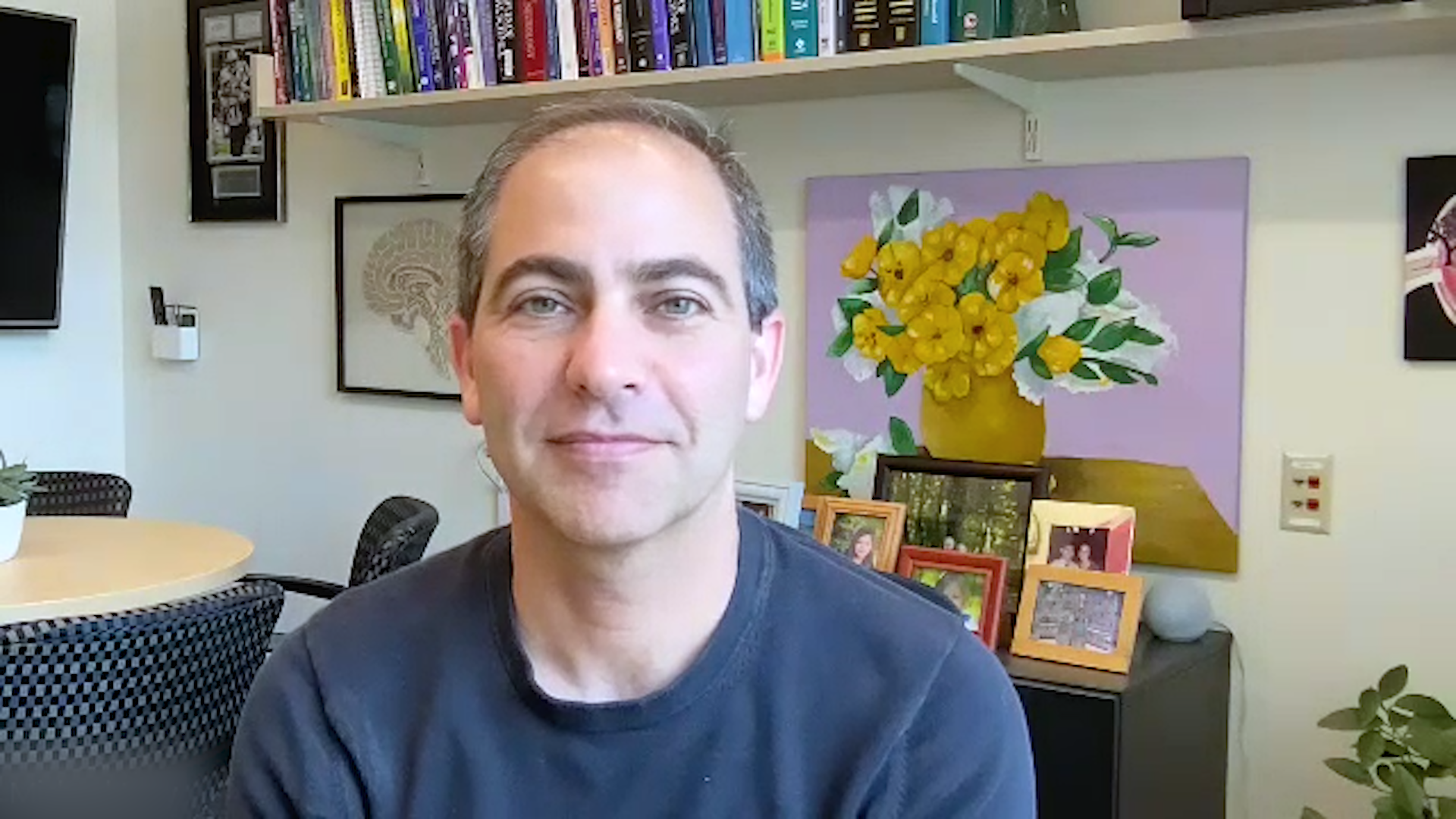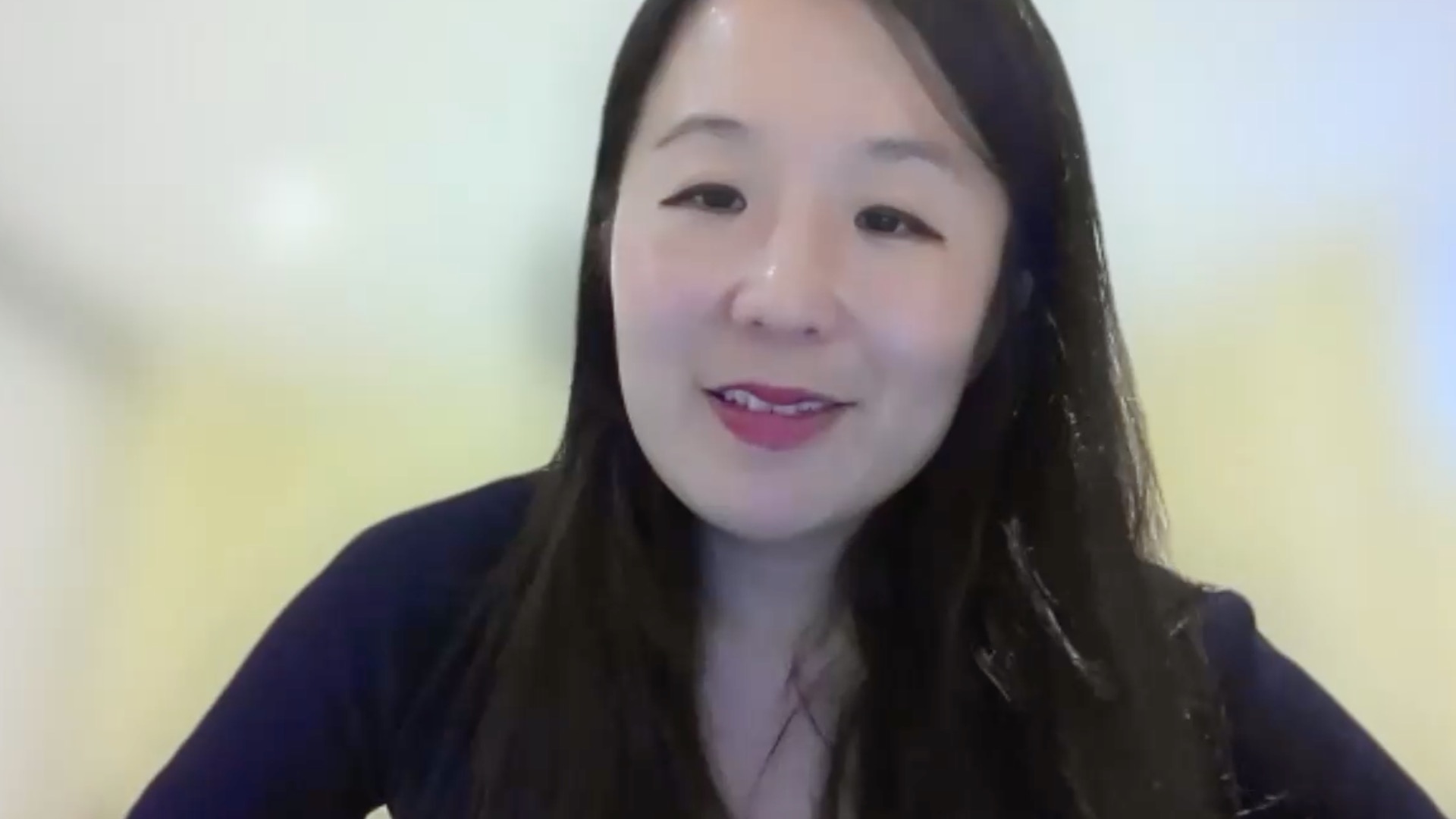
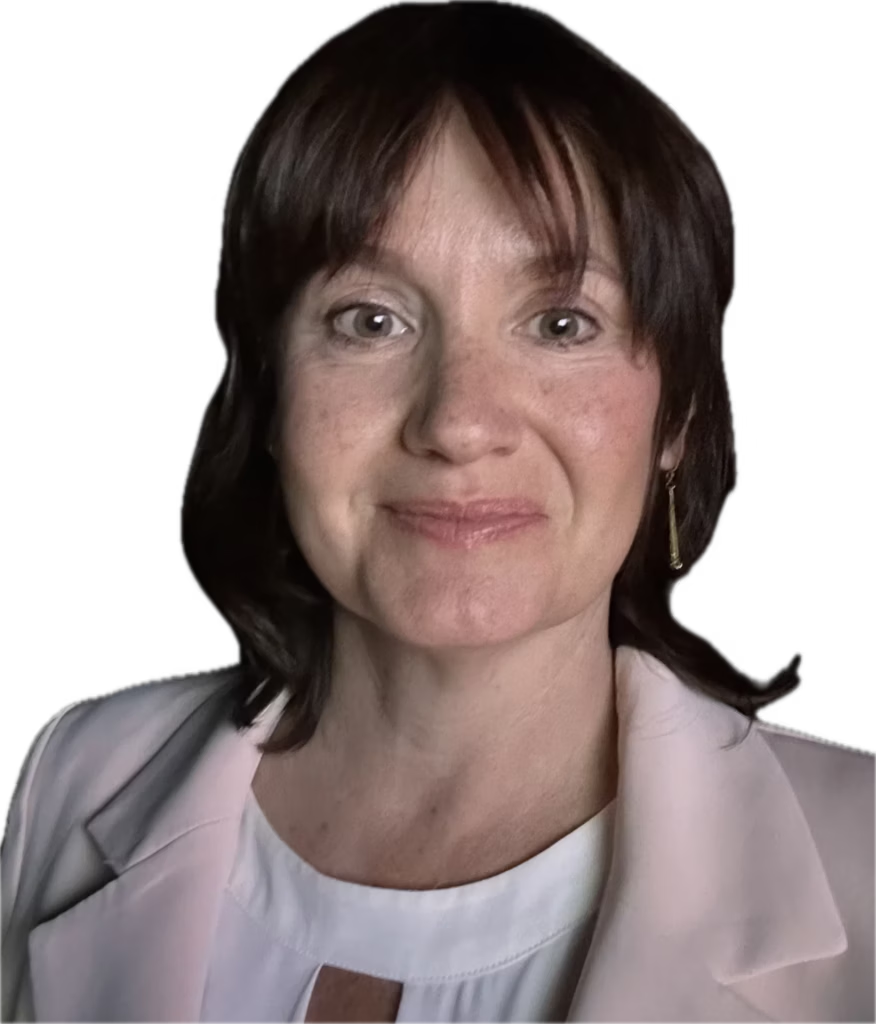
Nominated as a touchNEUROLOGY Future Leader 2025, and in collaboration with the National MS Society, we speak with Dr Riley Bove (Associate Professor, UCSF Weill Institute for Neurosciences, CA, San Francisco, USA), a clinician-researcher dedicated to advancing understanding of brain health through the lens of neuroimmunology, with a unique focus on women’s health in multiple sclerosis.
Dr Bove’s work explores the lifelong interplay between environmental exposures, gender-specific factors and neurological outcomes. Here, she shares personal motivations, influential mentors and insights on emerging directions in neuroimmunological research and care.
I have always been fascinated by brain health, and how it is shaped by environment, culture, gender and reproductive exposures. When I was deciding on a field, these threads were considered disparate, so I wasn’t sure whether to specialize in reproductive health more classically (as an obstetrician) or whether to work in neurology. MS drew me in because it is all-encompassing: it affects every domain of function, and is affected by myriad exposures over the lifespan including hormonal changes. In my career, I have been able to pull these disparate threads together to focus on women’s health in MS: menopause, pregnancy and lactation, and thriving as a woman.
I have been privileged to receive mentoring that feels like a tapestry. Early role models were the anthropology community at Harvard where I trained, Arthur Kleinman (listen to the patient’s narrative if you want to heal them), Jonathan Mann (illness thrives where human rights flounder), Peter Ellison (society can shape reproductive health) and Paul Farmer inspired me to become a doctor. In MS, pioneers have passed scientific batons for me to run with, mentors taught me specific skills, and sponsors guided me forward in my career. The entire MS scientific community is filled with individuals who practise with excellence and compassion, and with my fresh and curious mentees make science fun every day.
I am passionate about the opportunities we have to move beyond our rigid and flawed neurological examination, that focuses on what is observable, towards more precise measurements of patients’ total experience of living with MS. Our advances in molecular and digital phenotyping will help us tailor and sequence interventions, and paired with the evolving focus on brain health and wellness, will help patients live their best lives.
About Riley Bove
Dr Bove trained in Anthropology at Harvard College, and received her MD and Masters in Translational research from Harvard Medical School. She completed her Neurology residency and Neuroimmunology fellowship at MassGeneral Brigham Hospitals. She transitioned to UCSF in 2015. There she leads a Laboratory focused on women’s neurology and on neurotechnology, and provides comprehensive care for individuals with MS in the UCSF Center for MS and Neuroinflammation.
This content has been developed independently by Touch Medical Media for touchNEUROLOGY. Views expressed are the speaker’s own and do not necessarily reflect the views of Touch Medical Media.
Editor: Katey Gabrysch, Editorial Director.
Disclosures: No funding was received in the publication of this article. This short article was prepared by touchNEUROLOGY in collaboration with Riley Bove. The content was developed and edited by human editors. No fees or funding were associated with its publication. touchNEUROLOGY utilize AI as an editorial tool (ChatGPT (GPT-4o) [Large language model]. https://chat.openai.com/chat).
Cite: Women’s health in multiple sclerosis: Insights from Dr Riley Bove, a touchNEUROLOGY Future Leader 2025. touchNEUROLOGY. 13 October 2025.
Register now to receive the touchNEUROLOGY newsletter!
Don’t miss out on hearing about our latest peer reviewed articles, expert opinions, conference news, podcasts and more.