Findings from AAN 2026 highlight a potential “survival paradox” associated with GLP-1 analogue use in older adults with diabetes

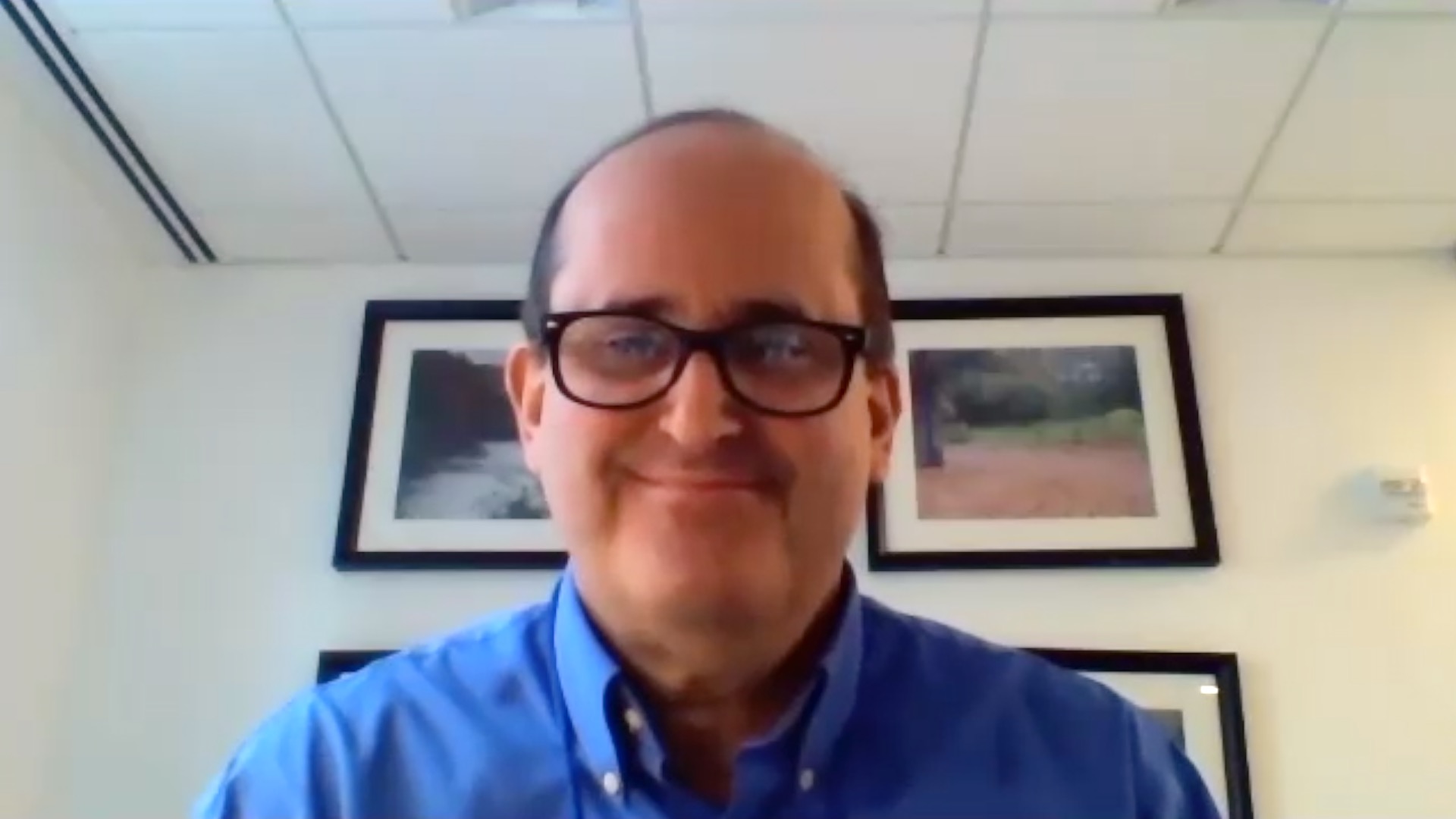
 The analysis, conducted under the supervision of principal investigator and senior author Prof. Fawaz Al-Mufti (Triple board-certified neurologist, neurointensivist and neurointerventionalist, Associate Dean for Research and Innovation, and Vice Chair of Neurology (Research), New York Medical College, and Director of the Center for Neurological Research and Innovation at Westchester Medical Center, NY, USA;), drew on large-scale longitudinal data and highlighted the importance of interpreting potential cognitive risk within the context of longer survival among patients receiving GLP-1 therapies. This interview brings both perspectives together to discuss the data and a look to the future.
Presented at AAN 2026: Long-Term Risk of Cognitive Impairment with GLP-1 Analogues in Older Adults with Type 2 Diabetes Mellitus. LS1: Late-breaking Science 1. April 18-22, Chicago, USA.
Could you briefly introduce yourself and explain the background to this research?
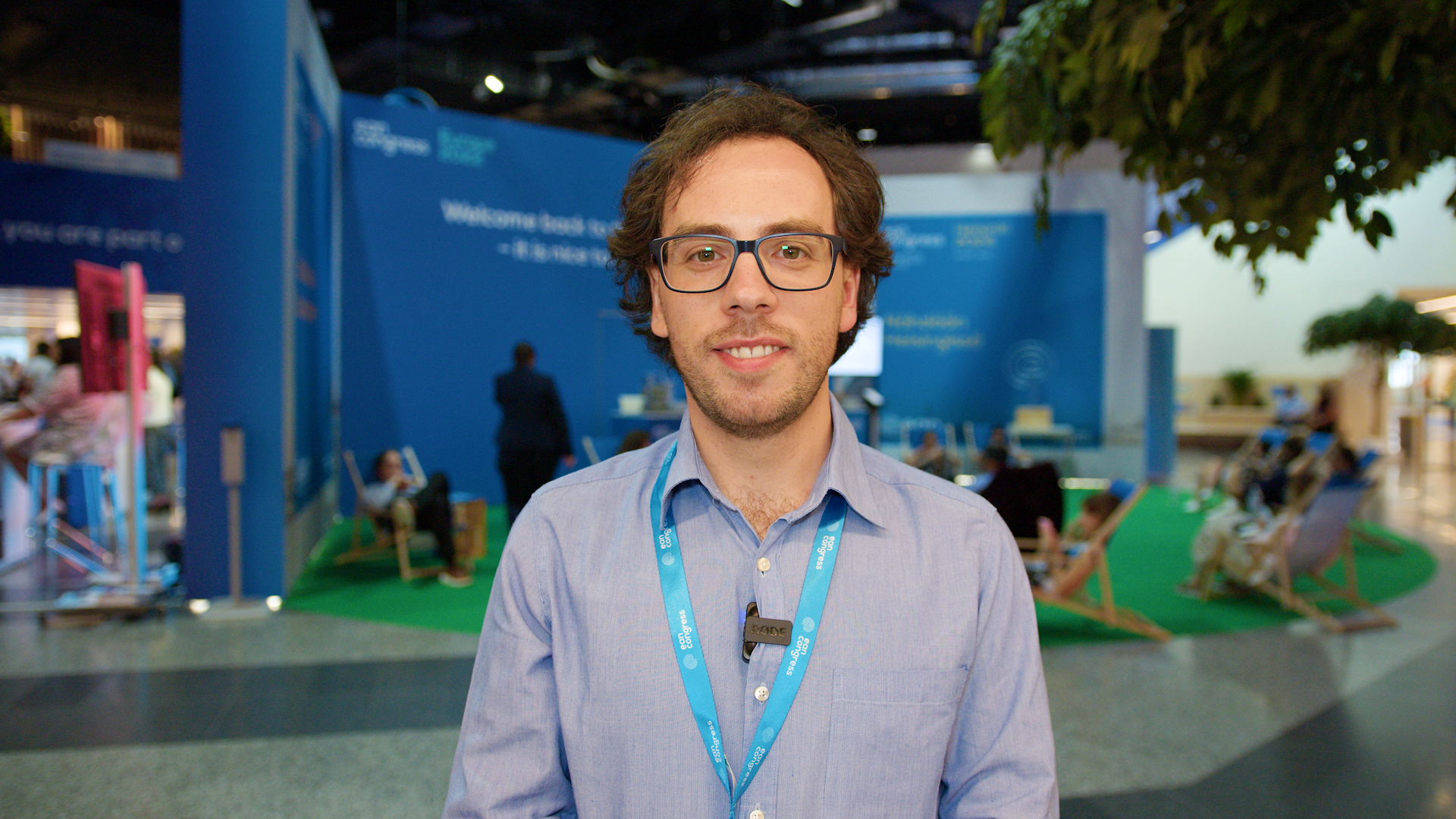
Introducing the background to the study, Isaac Thorman explained: “I am a rising fourth-year medical student at New York Medical College. I completed my undergraduate studies at Wesleyan University with a background in neuroscience, and then completed a master’s degree in epidemiology at Johns Hopkins University.
Coming into medical school, I knew I wanted to pursue neurology, so I have been working with Prof. Fawaz Al-Mufti (New York Medical College, Valhalla, NY, USA) and others on projects related to cognitive impairment, traumatic brain injury and care for critically ill patients.
As GLP-1 receptor agonists have become increasingly popular, there have been growing questions about their long-term effects. Semaglutide (Ozempic, Novo Nordisk) has only been available for a few years, and although other agents have since entered the market, these therapies have really only been widely used since around 2017 and became especially popular following the COVID-19 pandemic.
What has been striking is the broad range of protective effects being reported. These medications were originally developed for diabetes and obesity, which are major public health problems in the US, the UK and globally, but the effects being observed extend far beyond metabolic disease. Clinical trials are now exploring GLP-1 therapies in conditions ranging from cancer to epilepsy.
The cognitive and cerebrovascular effects, however, remain less clear. A recent trial published in The Lancet, the EVOKE trial, evaluated whether GLP-1 analogues could reduce the burden of Alzheimer disease and mild cognitive impairment in older adults. Although biomarker improvements were observed, there was no significant clinical difference in cognitive outcomes between patients receiving GLP-1 analogues and controls.”
Commenting on the rationale for the study, Prof. Al-Mufti noted: “GLP-1 therapies are rapidly reshaping the management of diabetes, obesity and cardiometabolic disease. As these agents move into broader and older patient populations, it becomes increasingly important to understand not only their metabolic and cardiovascular effects, but also their potential long-term neurologic associations.”
Isaac Thorman added: “This is where our study comes in. We are dealing with a growing public health burden of cerebrovascular disease, diabetes and obesity in an aging population. The risk of cognitive impairment is elevated in patients with diabetes and obesity, and GLP-1 therapies have tremendous potential in this area. However, the clinical data remain mixed, so our objective was to examine whether GLP-1 analogue use may modify the risk of cognitive impairment in patients with type 2 diabetes.”
Could you explain the study design and how you evaluated the relationship between GLP-1 analogue use and cognitive impairment?
Discussing the study methodology, Isaac Thorman said: “We used the TriNetX Research Network, which is a federated database containing longitudinal health data from more than 100 healthcare organizations and approximately 160 million patients. The platform includes diagnoses, medications, laboratory tests and procedures recorded longitudinally over time.
We included patients aged 50 years and older with Type 2 diabetes mellitus and followed them for up to 10 years to assess the development of cognitive impairment. Patients with pre-existing cognitive impairment or cerebrovascular disease prior to treatment initiation were excluded.
We defined cognitive impairment using a composite outcome including mild cognitive impairment, Alzheimer disease and vascular dementia. Mortality was also included as a key outcome because these medications appear to have substantial cardiovascular benefits that may prolong survival.
A major strength of the study was the propensity score matching approach. We matched patients on more than 170 characteristics, including demographics, BMI, laboratory data, comorbidities and medication use, to create comparable groups of GLP-1 recipients and non-recipients. The goal was to mimic, as closely as possible, the balance achieved in a randomized controlled trial.
Overall, the matching process performed very well, with almost no clinically significant differences between groups.”
Dr Al-Mufti highlighted the importance of large-scale longitudinal datasets: “One of the strengths of this analysis is the scale and longitudinal nature of the dataset. Questions related to cognitive impairment, survival and aging require large populations and extended follow-up. Real-world data platforms such as TriNetX allow us to explore these signals in a way that complements, but does not replace, prospective randomized trials.”
What were the key findings, and how should clinicians interpret the increased risk of cognitive impairment observed in the study?
Outlining the main findings, Isaac Thorman commented: We included more than 404,000 patients overall, with approximately 64,000 matched patients included in the final analysis.
We found an increased risk of cognitive impairment among patients receiving GLP-1 analogues, which is obviously concerning at first glance. However, this appeared secondary to a much larger reduction in mortality. In other words, patients receiving GLP-1 therapies were living longer and therefore surviving long enough to develop cognitive impairment.
Dr Al-Mufti adds that the findings should be interpreted within the broader context of survival outcomes: “The most important point is that this should not be interpreted simplistically as GLP-1 therapies causing cognitive impairment. What we may be observing is a survival paradox: patients receiving these therapies may live longer because of cardiovascular and metabolic benefits, and therefore have more time at risk to develop age-related cognitive impairment.”
Isaac Thorman further adds: “To explore this further, we created a compound outcome combining cognitive impairment and mortality. When we analyzed this combined endpoint, there was no significant increase overall, and there was actually a trend suggesting a protective effect.
The key takeaway is that these medications appear to prolong survival, even if that longer survival is associated with a small increase in the likelihood of developing cognitive impairment later in life.
We also stratified patients by age, BMI, sex and hemoglobin A1C levels. Patients initiating GLP-1 therapy in their 80s did not experience the same mortality benefit seen in younger patients, and in this group there was a slight increase in the combined outcome of cognitive impairment or mortality. This suggests clinicians should be particularly thoughtful when prescribing these therapies in older populations.
Expanding on these findings, Dr Al-Mufti said: “The age-stratified findings are clinically important. In younger patients, the mortality benefit appears reassuring. In patients in their 80s and older, however, the balance between survival benefit, frailty, competing risks and cognitive outcomes may be more nuanced. These findings support individualized decision-making rather than a one-size-fits-all approach.”
Isaac Thorman continues: “By contrast, patients in their 50s experienced significant protection against mortality without an increased risk of cognitive impairment, which is exactly the kind of outcome we would hope to see.
The sex-stratified analysis was also interesting. Both men and women had an increased risk of cognitive impairment, but the increase was somewhat greater in women, while mortality protection was similar between groups. Importantly, this does not suggest that GLP-1 therapies are unsafe in women. Rather, it suggests that the balance between mortality benefit and cognitive risk may differ slightly between sexes.”
Dr Al-Mufti also cautioned against overinterpreting the sex-based findings: “The sex-based differences are interesting, but they should be interpreted carefully. They do not suggest that GLP-1 therapies are unsafe in women. Rather, they raise important questions about whether the relationship between metabolic therapy, vascular risk, survival and cognitive aging may differ across patient subgroups.”
Why do you think this “survival paradox” has not been observed in previous clinical trials?
Reflecting on why these findings matter, Isaac Thorman said: “There are a few likely explanations. First, detecting this type of survival paradox in randomized clinical trials is difficult because the sample sizes are generally much smaller. The EVOQE trial included hundreds to a few thousand patients, whereas our study included more than 32,000 GLP-1 recipients and 32,000 matched controls.
Second, our propensity score matching was extremely robust and allowed us to account for a very large number of baseline clinical characteristics.
Finally, the longitudinal follow-up available through the TriNetX database allowed us to follow patients for much longer than has been feasible in many previous studies.
Together, these factors may explain why this signal has not been identified previously. Importantly, this remains a retrospective observational analysis, so we cannot conclude that GLP-1 therapies directly caused reduced mortality or increased cognitive impairment. These are associations rather than proof of causality. Prospective randomized studies and long-term post-marketing surveillance will ultimately be needed to answer those questions definitively.”
Prof. Al-Mufti noted: “Randomized trials remain the gold standard for establishing causality. However, they are often not designed or powered to detect small, delayed or competing-risk signals over many years. This is where carefully conducted observational studies can be valuable, particularly for identifying patterns that warrant further prospective investigation.”
What further studies are needed to help guide prescribing decisions for older adults with type 2 diabetes?
Looking ahead, Isaac Thorman emphasized the importance of longer-term prospective research: “I think the next step is really continuing to conduct large, robust longitudinal studies. Clinical trials are generally powered to include the minimum number of patients needed to detect an expected treatment effect, which is important from an ethical perspective because it minimizes unnecessary patient exposure. The downside is that it becomes very difficult to detect smaller signals.
For example, in our study, the rate of cognitive impairment was 2.6% among GLP-1 recipients versus 1.3% among non-recipients. Although that represents a doubling in relative risk, the absolute difference is only about 1.3 percentage points. Detecting effects of that magnitude in traditional clinical trials is very challenging.
As these medications continue to demonstrate strong overall safety profiles, larger randomized studies with longer-term follow-up will become increasingly feasible, and that is likely how this question will ultimately be answered.”
How do these findings fit within the broader discussions around GLP-1 therapies presented at AAN 2026?
Isaac Thorman comments: “With respect to GLP-1 therapies specifically, one of the highlights was the plenary session debating whether GLP-1 therapies are “more hype than hope.” It brought together leading researchers presenting both sides of the argument, and I think discussions like that are incredibly valuable, especially for trainees.
A lot of the broader conversations around GLP-1 therapies reflect exactly what we are seeing in our own work. These drugs are currently one of the hottest topics in medicine. Every journal you open seems to contain another study evaluating GLP-1 therapies in a different disease area.
We were excited to contribute to that discussion by focusing on cognitive impairment and aging, which are obviously very important public health concerns.
One thing we have really tried to emphasize is that our findings should not be interpreted simply as “GLP-1 therapies increase cognitive impairment.” The broader context is this survival paradox. Patients may be living longer because of the cardiovascular and metabolic benefits of these therapies, and that extended survival may statistically increase the likelihood of developing cognitive impairment later in life.”
Prof. Al-Mufti concluded: “These findings should not discourage appropriate use of GLP-1 therapies. Rather, they highlight the need for thoughtful long-term follow-up, especially in older adults. The broader message is that as patients live longer, we must pay closer attention to neurologic outcomes, cognitive health and quality of survival.”
More content in neurodegenerative diseases
Cite: Isaac Thorman, Fawaz Al-Mufti. GLP-1 therapies and cognitive impairment: New data highlights possible “survival paradox”. touchNEUROLOGY. 28 May 2026.
Abstract: Isaac Thorman, Fawaz Al-Mufti. Long-Term Risk of Cognitive Impairment with GLP-1 Analogues in Older Adults with Type 2 Diabetes Mellitus. LS1: Late-breaking Science 1. Presented at American Academy of Neurology 2026. April 18-22, Chicago, USA.
Editor: Katey Gabrysch, Editorial Director.
Disclosures: Isaac Thorman and Fawaz Al-Mufti have nothing to disclose.
The content was developed and edited by human editors. No fees or funding were associated with its publication. touchNEUROLOGY utilize AI as an editorial tool (ChatGPT (GPT-4o) [Large language model]. https://chat.openai.com/chat).
This content has been developed independently by Touch Medical Media for touchNEUROLOGY in collaboration with Isaac Thorman and Fawaz Al-Mufti. Views expressed are the speaker’s own and do not necessarily reflect the views of Touch Medical Media.
SIGN UP to touchNEUROLOGY!
Join our global community today for access to thousands of peer-reviewed articles, expert insights, and learn-on-the-go education across 150+ specialties, plus concise email updates and newsletters so you never miss out.