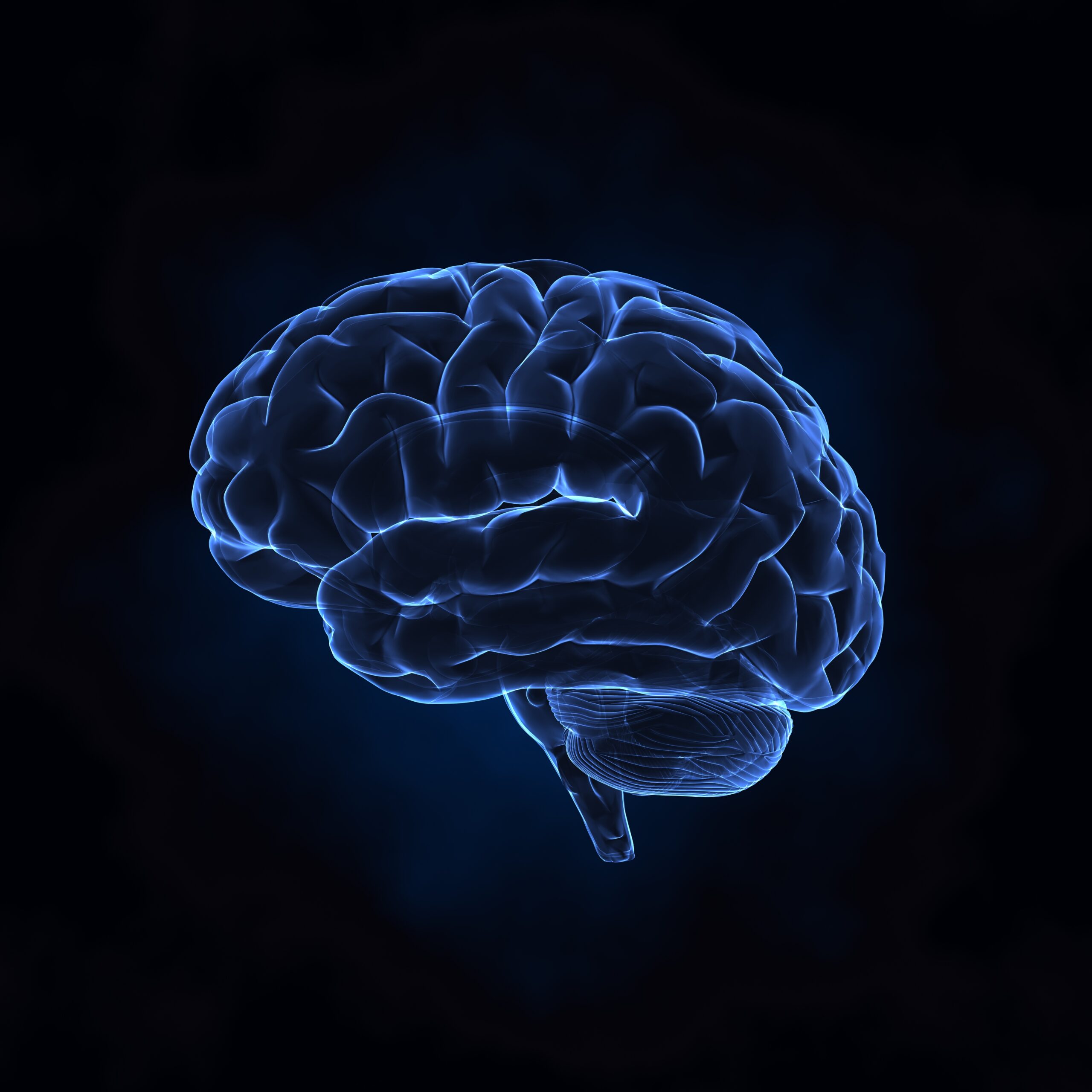

How advances in molecular understanding are shaping Parkinson’s disease classification, patient stratification, and the future of personalized care
Parkinson’s disease has historically been diagnosed and classified primarily according to clinical features. However, advances in genetics, molecular biomarkers, and our understanding of disease biology are increasingly revealing a more complex and heterogeneous picture.1–3 These developments could ultimately support earlier diagnosis, more biologically meaningful patient stratification, and the development of targeted disease-modifying approaches.1,2
 In this Neurology Now practice pearl article, Dr Erdi Sahin (Assistant Professor of Neurology, Behavioral Neurology and Movement Disorders Unit, Istanbul University, Istanbul, Turkey) discusses what genetic forms of Parkinson’s disease have taught us about its underlying biological pathways, the emerging role of alpha-synuclein biomarkers, and the challenges of translating these advances into routine clinical practice.
Parkinson’s disease has traditionally been diagnosed and classified largely on clinical features. How is our growing understanding of its genetic and molecular basis changing the way we think about the disease?
Although our genetic understanding of Parkinson’s disease remains incomplete, recent genomic studies are rapidly expanding our knowledge and opening new avenues for research. In parallel, advances in molecular biomarkers are providing more objective diagnostic evidence and deeper insights into the underlying pathophysiology.
Together, these developments are shifting our view of Parkinson’s disease from a single disorder defined mainly by clinical features toward a biologically defined, heterogeneous group of diseases. This may ultimately enable earlier and more accurate diagnosis, biologically based classification, and more personalized treatment.
What have studies of genetic forms of Parkinson’s disease taught us about the biological pathways that may also be relevant to more common, sporadic forms of the disease?
Studies of genetic Parkinson’s disease have revealed that different molecular abnormalities can converge on a similar clinical phenotype. For example, parkin mutations highlight the importance of mitochondrial dysfunction and impaired mitochondrial quality control, without necessarily acting through increased alpha-synuclein accumulation.
Other genetic forms implicate pathways such as lysosomal function, protein degradation, vesicular trafficking, and neuroinflammation. These findings suggest that Parkinson’s disease is not driven by a single mechanism. Rather, disruptions across several interconnected pathways can lead to dopaminergic neurodegeneration.
What role does alpha-synuclein play in disease pathogenesis, and how might emerging biomarkers help us identify or characterize disease more precisely?
Emerging biomarkers allow us to identify the underlying biology of Parkinson’s disease rather than relying solely on clinical symptoms. Alpha-synuclein seed-amplification assays can detect misfolded alpha-synuclein in cerebrospinal fluid and skin, potentially enabling earlier diagnosis and more precise biological classification.
Combined with genetic and imaging data, these biomarkers may also improve patient selection for targeted clinical trials. However, they cannot yet reliably predict disease progression or treatment response.
Parkinson’s disease is highly heterogeneous in terms of presentation, progression, and treatment response. To what extent could genetic and biomarker information help clinicians move toward more biologically defined patient subgroups?
Genetic variants may identify pathways involving mitochondrial dysfunction, lysosomal impairment, or alpha-synuclein processing, while biomarkers such as alpha-synuclein seed-amplification assays can demonstrate the presence of specific pathology.
Clinical differences among genetic forms already provide an initial framework for identifying distinct patient groups, although more evidence is needed to define and validate these as meaningful biological subgroups. Combining genetic and biomarker findings with imaging and clinical data could improve prognostic assessment, patient selection for targeted trials, and, ultimately, personalized treatment.
However, these tools are not yet sufficient for routine biological classification, and further validation is needed.
As disease-modifying strategies continue to develop, what do you see as the main challenges in translating advances in genetics and biomarkers into routine clinical practice?
Despite major advances in genetics and biomarker research, routine clinical practice remains surprisingly similar to that of the 1990s, and treatments discovered decades ago still form the basis of care. The main challenge is therefore to convert rapidly growing biological knowledge into validated, accessible tools and therapies that meaningfully improve patients’ lives.
Parkinson’s disease has a complex and heterogeneous pathophysiology. Targeting one pathway may slow or prevent only part of the disease process, while interactions among multiple mechanisms continue to determine its overall course. We therefore need multimodal biomarkers, better biological stratification, and therapies that address several relevant pathways before these advances can substantially change routine clinical practice.
References
1. Höglinger GU, Adler CH, Berg D, et al. A biological classification of Parkinson’s disease: the SynNeurGe research diagnostic criteria. Lancet Neurol. 2024;23:191–204. DOI: 10.1016/S1474-4422(23)00404-0.
2. Simuni T, Chahine LM, Poston K, et al. A biological definition of neuronal α-synuclein disease: towards an integrated staging system for research. Lancet Neurol. 2024;23:178–90. DOI: 10.1016/S1474-4422(23)00405-2.
3. Blauwendraat C, Nalls MA, Singleton AB. The genetic architecture of Parkinson’s disease. Lancet Neurol. 2020;19:170–8. DOI: 10.1016/S1474-4422(19)30287-X.
Related content
Leading neurologists at AAN 2026 reflect on the most important therapeutic breakthroughs
Early and accurate diagnosis of Parkinson’s disease: Practical insights for clinicians
Parkinson’s breakthroughs: Levodopa infusions, sleep and lifestyle strategies
More content in Parkinson’s disease
Cite: Erdi Sahin. Advancing understanding of disease biology and biomarkers in Parkinson’s disease. 03 September 2026.
Editor: Katey Gabrysch, Editorial Director.
Disclosures: Erdi Sahin has nothing to disclose.
The content was developed and edited by human editors. No fees or funding were associated with its publication. touchNEUROLOGY utilize AI as an editorial tool (ChatGPT (GPT-4o) [Large language model]. https://chat.openai.com/chat).
This content has been developed independently by Touch Medical Media for touchNEUROLOGY in collaboration with Dr Erdi Sahin. Views expressed are the speaker’s own and do not necessarily reflect the views of Touch Medical Media.
SIGN UP to touchNEUROLOGY!
Join our global community today for access to thousands of peer-reviewed articles, expert insights, and learn-on-the-go education across 150+ specialties, plus concise email updates and newsletters so you never miss out.