

touchREVIEWS in Neurology Volume 22, Issue 1, 2026
Welcome to the latest edition of touchREVIEWS in Neurology. This free-to-access issue reflects the breadth of contemporary neurology, spanning acute stroke, neurodegeneration, headache, neuroimmunology, and neuromuscular disease.
Federica Rizzo, Ettore Nicolini, and Antonio Ciacciarelli summarize key findings in acute stroke treatment, neuroprotection, and secondary prevention from the 2026 European Stroke Organisation Conference, while Abdelmageet Hassan and Sumanjit Gill review the evidence supporting mechanical thrombectomy. Khaled A Abdel-Sater examines the bidirectional relationship between sleep disturbances and neurodegeneration in Alzheimer's disease. Ioana Medrea explores the evolving understanding of calcitonin gene-related peptide (CGRP) in migraine pathophysiology, and Lily Anastasi et al. review current approaches to pediatric migraine prevention. Henry Riyanto Sofyan et al. present a case report of adolescent migraine associated with Alice in Wonderland syndrome. Norio Chihara discusses autoimmune psychosis as a presentation of autoimmune encephalitis, Natalie Hissong et al. examine ozanimod in relapsing multiple sclerosis, and Chen Chen et al. review two decades of clinical trials in spinal muscular atrophy.
We thank our authors, peer reviewers, and editorial board for their continued contributions, and hope this issue provides insights that support continued progress in clinical research and patient care.
Foreword
It is my pleasure to introduce the 2026 issue of touchREVIEWS in Neurology, which brings together a diverse collection of reviews, expert perspectives and a clinical case report reflecting continued advances in neurological research and clinical practice. From developments in acute stroke management and targeted therapies to emerging insights into neurodegenerative and neuroimmune conditions, this […]
Editorial

Why this topic matters Autoimmune psychosis (AP) is conceptualized as a psychosis-dominant form of autoimmune encephalitis (AE). In contrast to ‘typical’ AE, in which seizures, impaired consciousness and focal deficits rapidly declare a neurological syndrome, patients with AP can initially present to psychiatric services with apparently isolated psychotic or mood symptoms. Overt neurological signs may […]
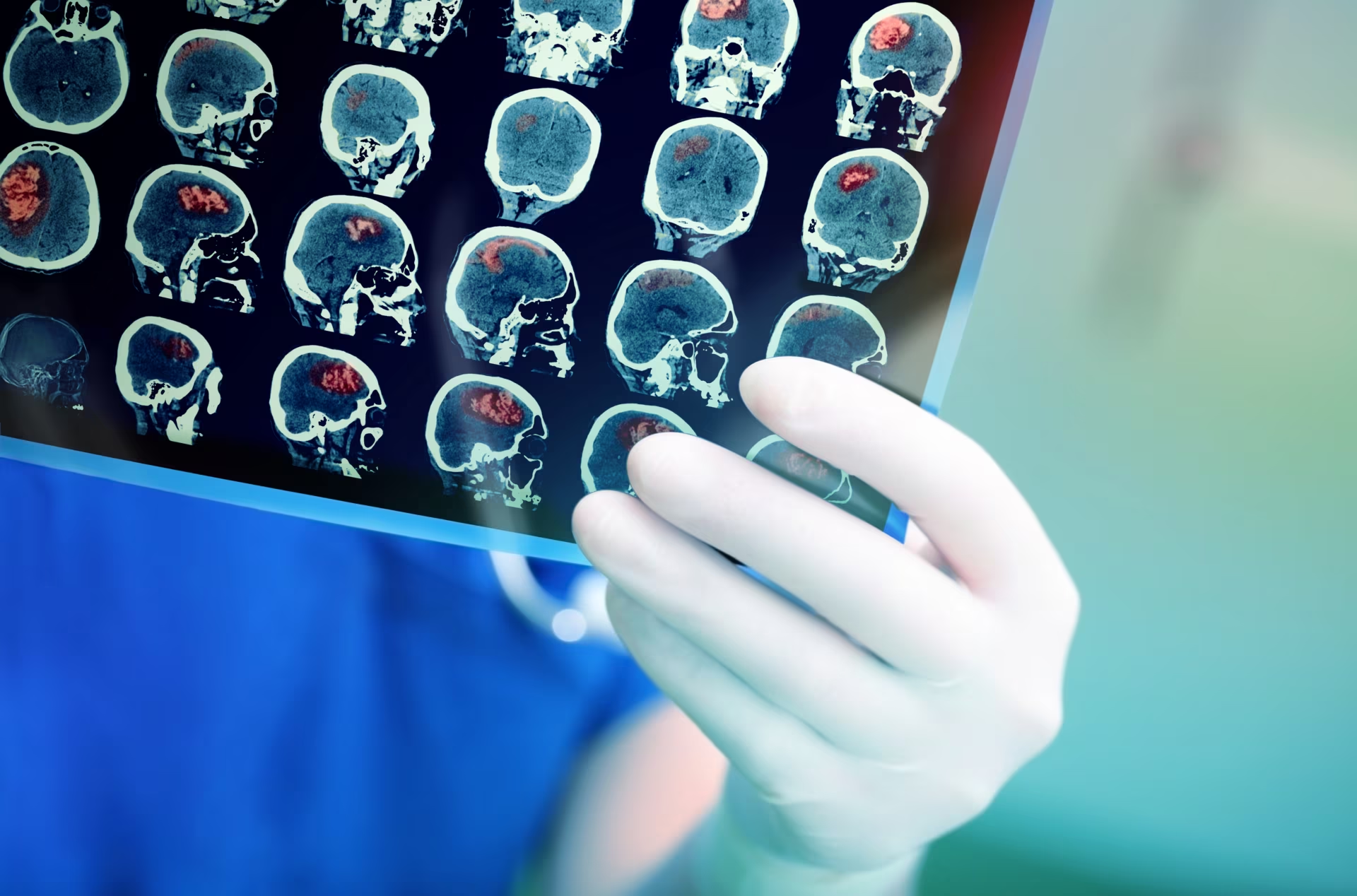
The 12th European Stroke Organisation Conference (Maastricht, May 6–8, 2026) was dominated by studies testing the limits of acute stroke therapy, from thrombectomy and neuroprotection to secondary prevention. Supplementary Table 1 provides a comprehensive overview of the major studies presented during the conference. The large-core indication for thrombectomy is recent, and the ATLAS (Endovascular thrombectomy […]
Review
The Bidirectional Nexus of Sleep and Alzheimer’s Disease: Mechanisms and Translational Opportunities
Alzheimer’s disease (AD), the most prevalent cause of dementia, is a progressive neurodegenerative disorder marked by the abnormal accumulation of amyloid-beta (Aβ) plaques and neurofibrillary tau tangles. It currently affects more than 50 million individuals worldwide, with projections reaching over 210 million by 2050.1 While advancing age remains the dominant risk factor – affecting more than […]
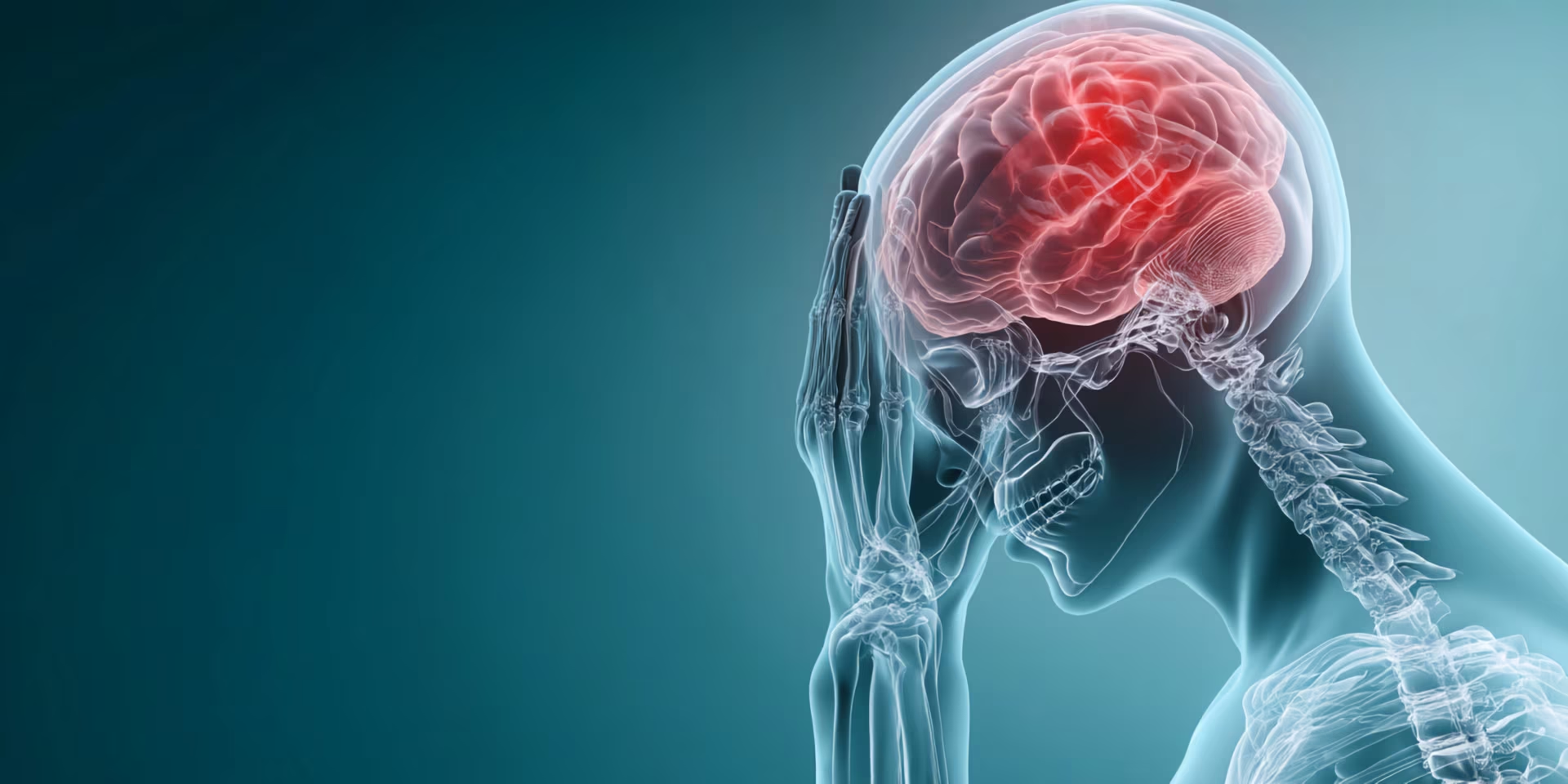
In this narrative review, we aim to introduce the reader to the history of calcitonin gene-related peptide (CGRP) discovery and its involvement in migraine pathophysiology. We will then look at drug development and clinical trials in migraine. We will additionally discuss other headache disorders where CGRP may play a role and, last, we will discuss areas of further study. […]
Migraines profoundly impact well-being, especially in children and adolescents. From 1990 to 2021, global pediatric migraine disability has increased, with particular vulnerability in females and adolescents aged 15–19.1 A 2023 meta-analysis found the prevalence of primary headache diagnosis in individuals aged 8–18 years to be 62%.2 The prevalence of a migraine diagnosis was 11%; 8% […]
This article examines the role of ozanimod in the treatment of relapsing multiple sclerosis (RMS), summarizing relevant clinical trial data with a focus on efficacy, safety and long-term outcomes. These findings are discussed alongside practical and clinical considerations to place ozanimod within the context of the current treatment landscape. Multiple sclerosis: Background and clinical considerations […]
Spinal muscular atrophy (SMA, 5q-SMA) is a rare autosomal recessive neuromuscular disease characterized by progressive muscle weakness and atrophy resulting from degeneration of lower motor neurons located in the anterior horn of the spinal cord and specific brainstem nuclei.1 It is caused by biallelic deletions or variants in the survival (of) motor neuron 1 (SMN1) […]

Both intracerebral hemorrhage and ischemic stroke continue to be the leading causes of disability and the second leading causes of death worldwide.1,2 The burden is largest in low- and middle-income countries, which have seen rapid recent population growth. Large vessel occlusion (LVO – internal carotids, vertebrals and the proximal branches of the circle of Willis) accounts for 20% of all acute ischemic strokes (AISs) […]
Case Report

Article Highlights Alice in Wonderland syndrome (AIWS) is a rare perceptual disorder that is not formally classified in the International Classification of Headache Disorders, 3rd edition, the International Classification of Diseases, 10th revision or the Diagnostic and Statistical Manual of Mental Disorders, 5th edition, making clinical recognition dependent on careful history-taking. Migraine, particularly migraine with […]

Trending Topic
It is my pleasure to introduce the 2026 issue of touchREVIEWS in Neurology, which brings together a diverse collection of reviews, expert perspectives and a clinical case report reflecting continued advances in neurological research and clinical practice. From developments in acute stroke management and targeted therapies to emerging insights into neurodegenerative and neuroimmune conditions, this […]
Journal Archive
touchREVIEWS in Neurology is a peer-reviewed, free-to-access, bi-annual neurology journal comprising review articles, case reports, practice guides, theoretical discussions, and original research. It features balanced and comprehensive articles written by leading authorities, addressing the most important and salient developments in the field of neurology.

Log into your Touch Account
Keep track of your clinical interests and newsletter subscriptions.
Sign up with an Email
Or use a .
Register now for FREE access
Already registered? Login below.
