Acute ischaemic stroke management
Recent randomized controlled trials (RCTs) comparing bridging intravenous thrombolysis (IVT) with tissue plasminogen activator (tPA) to direct endovascular treatment (EVT) for large-vessel occlusion (LVO) strokes within 4.5 hours of onset have failed to show inferiority of direct EVT. Moreover, bridging IVT showed possible benefit, particularly within the first 2 hours after symptom onset.1,2
The Intravenous rhTNK-tPA Bridging With Endovascular Treatment Versus Endovascular Treatment Alone For Stroke Patient With Large Vessel Occlusion (BRIDGE-TNK; ClinicalTrials.gov identifier: NCT04733742) trial compared tenecteplase (TNK) bridging (0.25 mg/kg) with direct EVT in LVO stroke within 4.5 hours from onset in 278 patients from China.3 Functional independence (modified Rankin Scale [mRS]: 0–2) was achieved by 54% of patients receiving TNK + EVT versus 44% in the direct EVT group (p=0.04), with no safety concerns. The benefit on functional outcome may possibly be explained by earlier reperfusion, since 6.1% of the patients undergoing IVT compared with 1.1% in the EVT-only group achieved successful reperfusion prior to thrombectomy.3 A follow–up study is planned, BRIDGE-TNK EXTEND (Intravenous rhTNK-tPA Versus Placebo Before Endovascular Thrombectomy For Stroke Patient With Large Vessel Occlusion In The Extended Time Window: the BRIDGE-TNK EXTEND Randomized, Placebo-controlled, Double-blind Trial; ClinicalTrials.gov identifier: NCT06987305), which will extend the treatment time frame to 24 hours and is planned to commence later this year.4
The ASSET-IT trial (Advancing Stroke Safety and Efficacy Through Early Tirofiban Administration After Intravenous Thrombolysis [ASSET-IT]; ClinicalTrials.gov identifier: NCT06134622), a multicentre RCT in 38 comprehensive stroke centres in China, evaluated the efficacy of tirofiban administration (0.4 μg/kg/min for 30 min, followed by a maintenance dose of 0.1 μg/kg/min for 23.5 hours) within 60 min of IVT (primarily tPA) in patients with acute ischaemic stroke who were not treated with endovascular therapy.5 The tirofiban group saw an 11% absolute increase in excellent outcomes (mRS: 0–1 at 90 days; relative risk [RR]: 1.20 [95% confidence interval [CI]: 1.07, 1.34], p=0.001). Notably, patients with clinical worsening after IVT, extensive radiological ischaemic damage and atrial fibrillation were excluded, and the proportion of patients with intracranial atherosclerotic disease carries a greater risk of vascular re-occlusion and early recurrent stroke. As patients with severe presentations or atrial fibrillation were excluded and intracranial atherosclerosis is more prevalent in Asian populations, generalizability may be limited.6 Nonetheless, consistency across secondary outcomes and greater benefit in older or more severely affected patients support its safety and potential utility.
Acute central retinal artery occlusion (CRAO) is a disabling condition that can result in permanent visual loss. Trials on intra-arterial thrombolysis or IVT for CRAO using tPA have thus far yielded neutral results.7 The TENecteplase in Central Retinal Artery Occlusion Study (TENCRAOS; ClinicalTrials.gov identifier: NCT03197194) evaluated intravenous (IV) TNK (0.25 mg/kg) versus acetylsalicylic acid (300 mg), administered within 4.5 hours of symptom onset, to see if it improves long-term visual acuity. Despite most patients being treated within 3 hours of symptom onset, no significant difference was observed in primary or secondary outcomes, though TNK showed numerically higher adverse events.7
Current guidelines require high-intensity monitoring for at least 24 hours post-IVT in patients with acute ischaemia, which is resource-intensive and interferes with the sleep of the patients.8 The Optimal Post Tpa-Iv Monitoring in Ischemic Stroke trial (OPTIMIST-main; ClinicalTrials.gov identifier: NCT03734640) is a stepped-wedge cluster RCT involving 4,922 mild-to-moderate stroke patients (National Institutes of Health Stroke Scale [NIHSS] <10).9 The trial evaluated whether less-intensive monitoring is non-inferior to standard high-intensity monitoring initiated within 2 hours post-IVT in patients with mild-to-moderate ischaemic stroke (NIHSS<10).10 Among 4,922 patients, the trial found no difference in 90-day mRS outcomes. These findings suggest that low-intensity monitoring is safe and may be cost-effective, potentially reducing intensive care unit resource utilization without compromising patient outcomes, although applicability may, however, be of concern, since these results cannot be generalized to patients with more severe stroke.
Regarding EVT for medium-vessel occlusions (MeVO), two sub–analyses were presented:
-
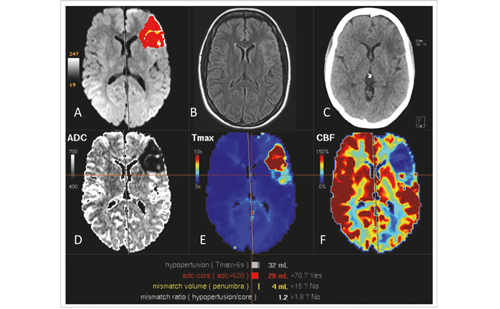
The Endovascular Therapy plus Best Medical Treatment (BMT) versus BMT Alone for Medium Vessel Occlusion Stroke — A Pragmatic, International, Multicenter, Randomized Trial (DISTAL; ClinicalTrials.gov identifier: NCT05029414) sub-analysis found that EVT resulted in greater brain tissue volume saved compared with best medical treatment alone, suggesting that patients with near-total salvage of the penumbra had better long-term outcomes, underscoring that the mRS may not be a sufficiently sensitive outcome parameter for stroke patients with distal occlusions.11
-
The Endovascular Treatment to Improve Outcomes for Medium Vessel Occlusions (ESCAPE-MeVO; ClinicalTrials.gov identifier: NCT05151172) trial sub-anaylsis showed that EVT benefit was influenced by collateral status (beneficial with good collaterals and harmful with poor collaterals) and treatment time window (greater benefit in patients treated within 180 minutes and harm in patients treated beyond 180 minutes).12
In pre-hospital stroke care, the Australian MSU-TELEMED (Evaluating the Safety and Efficacy of Telemedicine Neurology Assessments on a Mobile Stroke Unit: ClinicalTrials.gov identifier: NCT05991310) trial demonstrated that a telemedicine-supported approach to mobile stroke unit care was safe and more resource-efficient than a traditional on-board neurologist approach.13 As a result, the Melbourne hospital network plans to deploy two mobile stroke units (MSU) coordinated by a single neurologist who will be aboard one MSU and in contact with the other MSU via telemedicine to increase productivity and save costs.
Secondary prevention, stroke rehabilitation and new directions
A pre-specified secondary analysis from the CONVINCE trial (COlchicine for preventioN of Vascular Inflammation in Non- CardioEmbolic Stroke – a Randomised Clinical Trial of Low-dose Colchicine for Secondary Prevention After Stroke; ClinicalTrials.gov identifier: NCT02898610), which examined whether daily low-dose colchicine (an anti-inflammatory gout medication repurposed for prevention of cardiovascular disease) found that patients whose C-reactive protein (CRP) levels were suppressed below 2 mg/L on colchicine treatment had a lower risk of recurrent major cardiovascular events than those not on treatment or those whose CRP levels were not suppressed by treatment.3,14 These results suggest that suppression of inflammation is a promising strategy to tackle the problem of recurrent vascular events after stroke. While promising, larger trials are needed before adopting this strategy widely.
The PINGS trial (Phone-based Intervention Under Nurse Guidance After Stroke; ClinicalTrials.gov identifier: NCT02568137), a Ghana–based study, demonstrated the feasibility and efficacy of a mobile phone text intervention administered by nurses, improved home blood pressure monitoring, medication adherence and engagement with cardiovascular risk reduction education in patients with stroke.15 Significantly more patients receiving intervention achieved systolic BP<140 mmHg at 1 year compared to usual care. The vision for this study is to scale up across the national health service in Ghana, which could lead to an important public health intervention in a resource-constrained country with a 20% increase in the incidence of both ischaemic and haemorrhagic stroke in recent years. Further work is needed to establish similar simple and effective interventions across other low- and middle-income countries.
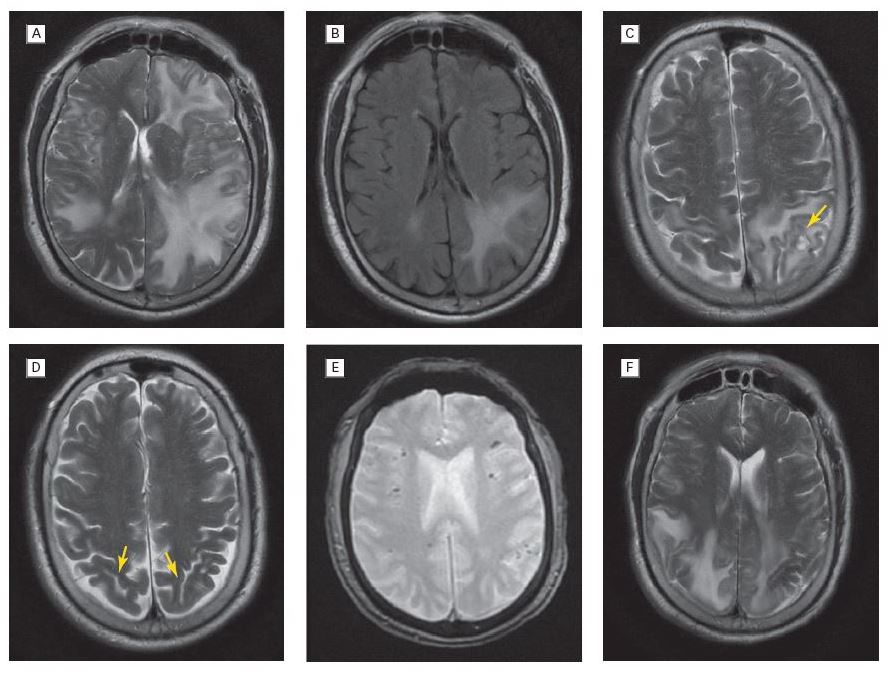
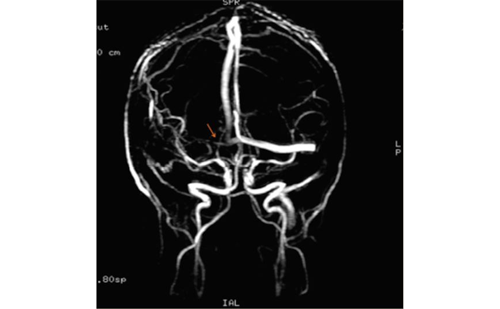
Interim results from the Benefit of EXtending oral antiCOAgulant treatment after Cerebral Vein and Dural Sinus Thrombosis trial (EXCOACVT; ISRCTN identifier: ISRCTN25644448), the largest study on the duration of anticoagulation in central venous thrombosis (CVT), were presented at ESOC 2025.16 Investigators conducted a cluster randomized trial and a paired observational study, which sought to compare short (3–6 months) versus long (12 months) duration anticoagulation therapy for the prevention of venous thromboembolism after CVT. To date, 460 participants have been included in the RCT arm and 809 in the observational study arm.17 The results are consistent across both arms and do not indicate a statistically significant difference in rates of thrombotic or bleeding events between the two treatment durations at 1 year of follow-up. The investigators plan to continue follow-up for another year to assess if there are differences in the risk of late recurrent thrombosis.
Trials presented at ESOC 2025 also offered new evidence for post–stroke rehabilitation. A trial conducted in Australia investigated whether a pre-discharge home visit by an occupational therapist (OT) was better than in-hospital discharge planning alone (which included a structured personalized discharge plan, review of photographs and measurements of the home, in-hospital carer training and prescription of equipment and minor environmental modifications). The primary outcome was the patient participation in extended activities of daily living at 4 weeks. A total of 304 participants were enroled, most had an mRS of 2–4 after their stroke, indicating mild-to-moderately severe post-stroke disability. The findings showed no significant differences between the two OT approaches, and patient satisfaction was comparable. These results suggest that a detailed and structured in-hospital discharge plan is equivalent to a home-visit approach, and widespread adoption of an in-hospital approach may save therapist time and reduce healthcare costs.
The FAST study (Falls After Stroke Trial; ANZCTR identifier: 12619001114134) demonstrated the efficacy of a tailored, home-based exercise intervention to reduce the risk of falls after stroke.18 Conducted in Australia, this trial recruited 370 participants who were ambulatory and living in the community within 5 years of their stroke. The intervention involved a home-based, therapist-delivered, personalized exercise intervention which included habit-forming exercise, safety training and community mobility. At the 1-year follow-up, patients receiving the intervention had a statistically significant 33% reduction in fall rate. These individuals also reported improvements in self-efficacy, walking speed and walking distance. This is the first trial to show a reduction in post-stroke falls and provides high-level evidence supporting personalized exercise interventions in stroke survivors.
The Enhancement of Stroke Rehabilitation with Levodopa (ESTREL; ClinicalTrials.gov identifier: NCT03735901) trial was a randomized, placebo-controlled trial which investigated whether levodopa could augment the effects of rehabilitation therapy in patients recovering from stroke.19 The primary outcome was a six-point improvement in the Fugl-Meyer motor score at 3 months. The Fugl-Meyer Assessment grades global motor function of both upper and lower limbs; the score ranges from 0 to 100, with lower scores indicating worse motor function. Patients were recruited within a week of their stroke (either ischaemic or haemorrhagic) and received in-patient rehabilitation therapy. At the 3-month mark, no significant differences were observed between the groups, indicating that levodopa is not an effective pharmacological adjunct to rehabilitation therapy in stroke recovery.
Looking to the future, the results of the IRIS (Effect of Interleukin-6 Receptor Inhibition in Patients With Ischemic Stroke Undergoing Endovascular Treatment: a Double-blind, Randomized, Placebo-controlled Trial; ClinicalTrials.gov identifier: NCT06238024) phase II trial are encouraging that neuroprotectant agents may help to limit tissue death during stroke.20 This trial investigated whether tocilizumab (a monoclonal antibody that inhibits interleukin-6) administered at the time of endovascular therapy for LVO stroke could curtail the ischaemic infarct growth. The primary outcome was infarct progression, measured on brain imaging at 72 hours. The findings indicated that patients receiving the drug experienced less infarct growth. However, the study was not powered to detect differences in post-stroke disability, and larger trials are required to confirm the efficacy of this approach.
ESOC 2025, held in Helsinki, was an engaging and impactful meeting that brought together stroke health professionals from across the globe. The event featured the presentation of high-quality clinical research with the potential to advance stroke care and inspire ongoing investigation in the field.