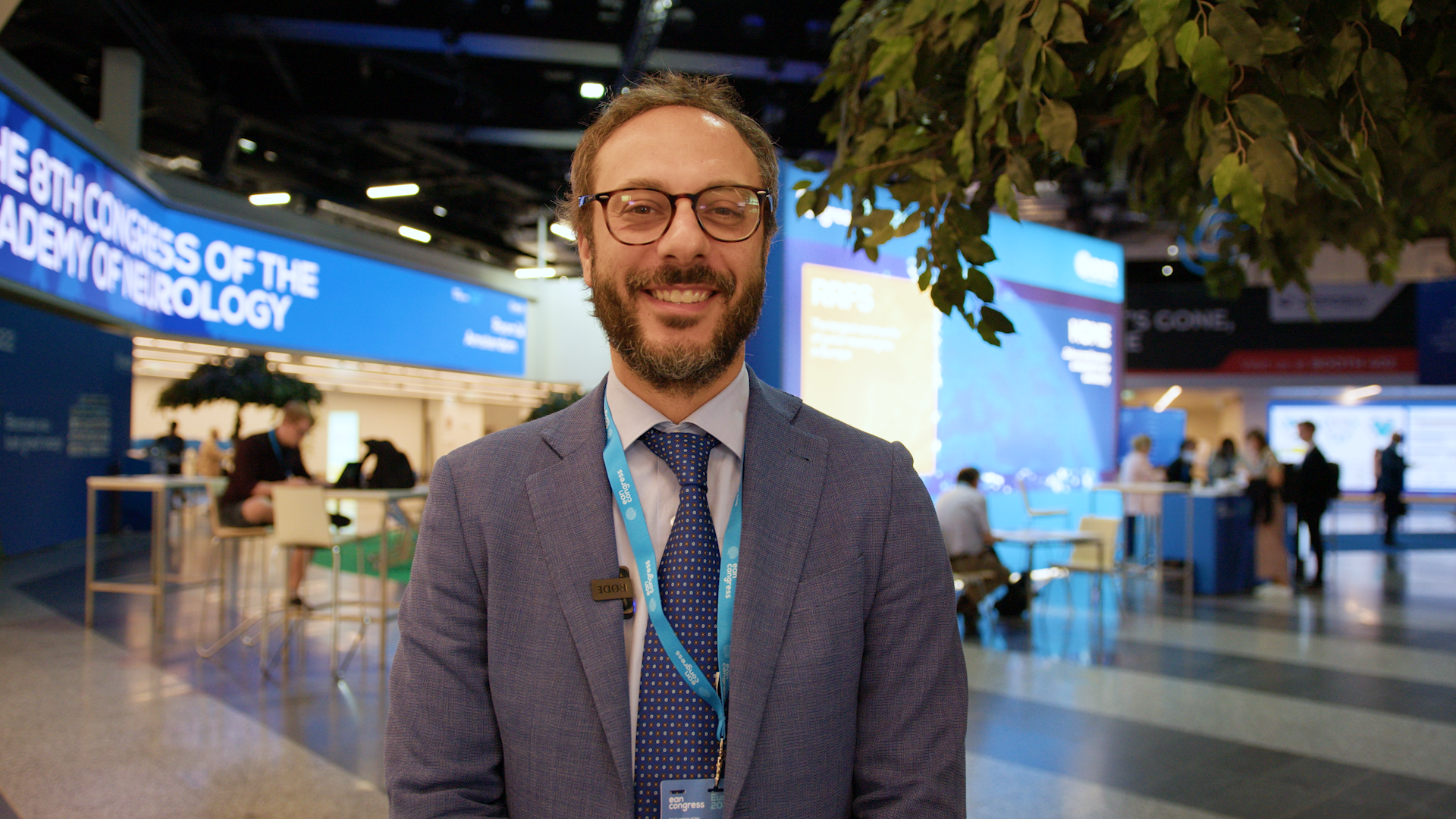
 ESOC 2026 highlights: Blood pressure management, neuroprotection and widening inequalities shape stroke discussions in Maastricht #VoiceOfStroke

© European Stroke Organisation #VoiceOfStroke
At the 12th European Stroke Organisation Conference 2026, late-breaking clinical trial data and population-level analyses highlighted both major therapeutic advances and persistent public health challenges in stroke care. Across presentations at ESOC 2026, investigators explored increasingly personalized approaches to thrombectomy management, emerging neuroprotective strategies and evolving patterns of stroke risk across diverse populations.1
Among the broad range of topics presented, this article highlights some of the key oral presentations from the meeting, in which the most discussed presentations focused on hemodynamic management during and after endovascular thrombectomy (EVT). Together, the HOPE and MASTERSTROKE trials addressed one of the most debated questions in acute stroke care: how aggressively blood pressure should be managed in patients undergoing thrombectomy.
Access the ESOC TV Studio on demand and the full abstract book here
HOPE trial supports reperfusion-guided blood pressure management after thrombectomy2
The late-breaking HOPE trial presented evidence that tailoring systolic blood pressure targets according to the degree of reperfusion achieved after EVT may improve outcomes in acute ischemic stroke.
The multicenter randomized trial enrolled 440 patients across 11 stroke centers in Spain who had achieved successful recanalization following EVT for anterior circulation large-vessel occlusion stroke. Patients were randomized to either guideline-recommended blood pressure management or an individualized strategy guided by final reperfusion status.
In the intervention arm, patients with mTICI 2b reperfusion received systolic blood pressure targets of 140–160 mmHg, while those with near-complete or complete reperfusion (mTICI 2c/3) were managed more aggressively with targets of 100–140 mmHg.
The study demonstrated a significant improvement in 90-day functional independence. Modified Rankin Scale (mRS) scores of 0–2 were achieved in 60.0% of patients receiving reperfusion-guided management compared with 46.7% of patients managed according to standard guidelines (OR 1.71; 95% CI 1.17–2.50; p=0.005).
Investigators also reported lower rates of hemorrhagic transformation in the intervention group (22.3% versus 31.6%; p=0.030), without any increase in mortality.
Presenting the findings, Dr Pol Camps-Renom stated that the data support “a more individualized hemodynamic approach after EVT”, suggesting that blood pressure targets after thrombectomy should not be uniform for all patients.
The results may help explain why several previous trials of intensive blood pressure lowering after thrombectomy have produced neutral or harmful findings. HOPE investigators proposed that previous approaches may have failed because they did not account for reperfusion quality or cerebral autoregulation.
MASTERSTROKE finds no advantage for specific intra-procedural blood pressure targets3
In contrast to the post-procedural individualization strategy evaluated in HOPE, the MASTERSTROKE trial examined whether maintaining different systolic blood pressure targets during EVT itself influenced outcomes.
The double-blind multicenter randomized controlled trial enrolled 562 patients with anterior circulation large-vessel occlusion stroke undergoing EVT under general anesthesia. Patients were randomized to intra-procedural systolic blood pressure targets of either 140 ± 10 mmHg or 170 ± 10 mmHg.
The study found no significant differences between groups in functional outcomes at 90 days, symptomatic intracranial hemorrhage or mortality. Median mRS scores were identical between groups.
Investigators concluded that systolic blood pressure targets across the range of 140–180 mmHg appear similarly safe during EVT, providing class I evidence supporting current guideline recommendations.
Taken together, the HOPE and MASTERSTROKE findings suggest that timing and context may be critical determinants of hemodynamic management. While intra-procedural blood pressure variation within guideline-recommended ranges may have limited impact, more individualized post-thrombectomy management based on reperfusion status could offer clinically meaningful benefits.
Cooling strategies emerge as a promising neuroprotective approach in the CHILL-ART trial4,5

© European Stroke Organisation #VoiceOfStroke
Neuroprotection during thrombectomy also featured prominently at ESOC 2026, with two trials evaluating selective intra-arterial cooling strategies.
The CHILL-ART trial reported positive findings for adjunctive intra-arterial hypothermia delivered during thrombectomy. In the multicenter randomized study involving 262 patients across 26 stroke centers in China, targeted brain cooling significantly improved functional independence at 90 days compared with standard thrombectomy alone.
Functional independence (mRS 0–2) was achieved in 54.7% of patients receiving hypothermia versus 39.8% of controls (adjusted risk ratio 1.36; 95% CI 1.05–1.76; p=0.018).
Principal investigator Dr Zhi-Xin Huang suggested the findings support a new paradigm combining reperfusion with targeted neuroprotection. The approach may be particularly attractive because it uses standard thrombectomy equipment and refrigerated saline without requiring specialized devices.
However, findings from the FOCUS trial provided a more cautious perspective on intra-arterial cooling strategies. Although selective cooling significantly reduced rates of any intracranial hemorrhage following thrombectomy, investigators did not observe improvements in functional recovery at 90 days.
The contrasting results highlight the ongoing uncertainty surrounding neuroprotective approaches in stroke care, but both studies reinforce growing interest in targeted hypothermia as a potentially feasible adjunct to reperfusion therapy.
Asundexian analyses strengthen the case for Factor XIa inhibition6,7
Secondary prevention was another major focus at ESOC 2026, particularly following new analyses from the phase III OCEANIC-STROKE trial evaluating the investigational Factor XIa inhibitor asundexian.
The updated analyses demonstrated that asundexian not only reduced recurrent ischemic stroke incidence but also reduced the severity of recurrent strokes when they occurred.
In the international trial involving more than 12,000 patients with non-cardioembolic stroke or high-risk transient ischemic attack, recurrent ischemic stroke occurred in 6.2% of patients receiving asundexian compared with 8.4% of placebo-treated patients (csHR 0.74; 95% CI 0.65–0.84; p<0.001).
Among patients who experienced recurrent stroke, severe stroke events were less frequent in the asundexian arm, and disabling strokes were reduced by 31%.6 Investigators also reported identical rates of hemorrhagic transformation between groups, supporting the proposed safety advantage of Factor XIa inhibition over more intensive conventional anticoulation strategies.
Presenting the data, Dr Mike Sharma described Factor XIa as a potential “holy grail” target in stroke prevention because of its role in pathological thrombosis while having a more limited role in physiological hemostasis.
Population studies highlight widening inequalities in stroke burden8,9
Alongside therapeutic advances, ESOC 2026 also highlighted concerning public health trends.
A major population-based analysis from the South London Stroke Register demonstrated that after decades of decline, stroke incidence is rising again, with disproportionate increases observed among socioeconomically disadvantaged and ethnic minority populations.
The 30-year analysis included 7,726 first-ever stroke cases across a population of 333,000 people in South London. After a 34% reduction in stroke incidence between 1995–1999 and 2010–2014, investigators observed a 13% increase in stroke incidence during 2020–2024.
Stroke incidence remained substantially higher among Black African and Black Caribbean populations compared with White populations, with the greatest disparities observed in intracerebral hemorrhage.
Investigators also identified substantial differences in vascular risk factor burden and access to follow-up care. Black African stroke survivors experienced stroke approximately 10–12 years earlier than White populations and had 34% lower odds of timely follow-up after stroke.
Lead investigator Dr Camila Pantoja-Ruiz suggested the findings may partly reflect the long-term effects of the COVID-19 pandemic on healthcare access, while also highlighting the broader impact of structural inequalities, including socioeconomic disadvantage and racism, on stroke prevention and care.
Heart rate extremes linked to stroke risk10
Another population-level analysis presented at ESOC 2026 challenged assumptions regarding resting heart rate and cardiovascular health.
Using UK Biobank data from approximately 460,000 participants followed over 14 years, investigators identified a U-shaped relationship between resting heart rate and stroke risk. Stroke risk was lowest at resting heart rates between 60 and 69 beats per minute but increased significantly at both lower and higher extremes.
Individuals with resting heart rates below 50 bpm had a 25% higher stroke risk, while those with heart rates of 90 bpm or above had a 45% increased risk.
Interestingly, the association was observed only in participants without atrial fibrillation, suggesting resting heart rate may provide additional prognostic information in populations without established arrhythmia-related stroke risk.
According to co-author Professor Alastair Webb, resting heart rate represents a simple and widely available clinical measure that may deserve greater consideration in cardiovascular risk assessment.
Overall, ESOC 2026 reflected a broader shift toward increasingly individualized stroke care, whilst this article is just a selection of presentations, there was much data exploring how reperfusion quality, neuroprotection, hemodynamic strategies and population-level inequalities may shape future approaches to both acute treatment and long-term prevention.
Related content
Highlights from the European Stroke Organisation Conference 2025: Advancements in Stroke Care
AAN 2026 late-breaking science: Key neurology trial data and clinical insights
References
- European Stroke Organisation. Press and media pack: ESOC 2026. Maastricht, the Netherlands; 2026.
- Camps-Renom P, et al. A randomized trial on hemodynamic optimization of cerebral perfusion after successful endovascular therapy in patients with acute ischemic stroke. Oral presentation. Presented at European Stroke Organisation Conference (ESOC) 2026, 6-8 May 2026, Maastricht, Netherlands.
- Campbell D, et al. Management of systolic blood pressure during endovascular thrombectomy under general anesthesia for acute ischemic stroke (MASTERSTROKE): a multi-center, double-blind parallel group, randomized controlled trial. Oral presentation. Presented at European Stroke Organisation Conference (ESOC) 2026, 6-8 May 2026, Maastricht, Netherlands.
- Huang Z-X, et al. Adjunctive intra-arterial hypothermia with endovascular thrombectomy for acute anterior circulation stroke (CHILL-ART): a randomized, controlled, multicenter trial. Oral presentation. Presented at European Stroke Organisation Conference (ESOC) 2026, 6-8 May 2026, Maastricht, Netherlands.
- Li S, et al. Selective intra-arterial cooling infusion with endovascular thrombectomy for acute ischemic stroke: a multicenter, randomized, controlled trial. Oral presentation. Presented at European Stroke Organisation Conference (ESOC) 2026, 6-8 May 2026, Maastricht, Netherlands.
- Sharma M, et al. Incident ischemic stroke in the randomized, placebo-controlled, event-driven OCEANIC-STROKE trial of asundexian for secondary stroke prevention: severity, treatment and outcomes. Oral presentation. Presented at European Stroke Organisation Conference (ESOC) 2026, 6-8 May 2026, Maastricht, Netherlands.
- Fredenburgh JC, Weitz JI. Factor XI as a target for new anticoagulants. Haemostaseologie. 2021;41:104–110.
- Pantoja-Ruiz C, Khanolkar AR, Ismail I, et al. Widening ethnic inequalities in stroke incidence: a 30-year population-based analysis of the South London Stroke Register. Oral presentation. Presented at European Stroke Organisation Conference (ESOC) 2026, 6-8 May 2026, Maastricht, Netherlands.
- Ismail I, Pantoja-Ruiz C, Lim E, et al. Determinants of general practitioner follow-up after stroke: the South London Stroke Register. Poster presentation. Presented at European Stroke Organisation Conference (ESOC) 2026, 6-8 May 2026, Maastricht, Netherlands.
- Penn D, Gill F, Warrington O, Webb A. Reduced and elevated resting heart rates predict risk of stroke, independently of atrial fibrillation: a UK Biobank analysis. Oral presentation. Presented at European Stroke Organisation Conference (ESOC) 2026, 6-8 May 2026, Maastricht, Netherlands.
More content in stroke
Cite: ESOC 2026 highlights: Personalized thrombectomy strategies and neuroprotection reshape stroke care. touchNEUROLOGY. 14 May 2026.
Editor: Katey Gabrysch, Editorial Director.
Disclosures: The content was developed and edited by human editors. No fees or funding were associated with its publication. touchNEUROLOGY utilize AI as an editorial tool (ChatGPT (GPT-4o) [Large language model]. https://chat.openai.com/chat).
This content has been developed independently by Touch Medical Media for touchNEUROLOGY. Views expressed are the speaker’s own and do not necessarily reflect the views of Touch Medical Media.
SIGN UP to touchNEUROLOGY!
Join our global community today for access to thousands of peer-reviewed articles, expert insights, and learn-on-the-go education across 150+ specialties, plus concise email updates and newsletters so you never miss out.