Meet the future leaders transforming neurology
 The touchNEUROLOGY Future Leaders 2026 programme recognizes outstanding early- and mid-career clinicians, researchers and scientists who are shaping the future of neurology. Nominated by peers across the global neurology community, these innovators are leading advances in neuroscience research, neurological disease diagnosis and patient care.
Through exclusive interviews, discover the people behind the latest breakthroughs in Alzheimer’s disease, Parkinson’s disease, multiple sclerosis, epilepsy, neurodegeneration and other neurological disorders. Learn what inspired their careers, the milestones that have defined their journeys and the innovations they believe will transform neurology in the years ahead.
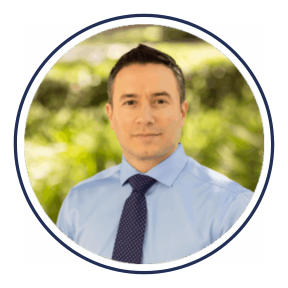
Brandon Holmes
University of California, San Francisco, CA • USA
Alzheimer’s disease • Neurodegenerative diseases
“When I was entering the field, the idea of a blood-based diagnostic test was essentially the holy grail – and now we’re there.”

Roopa Rajan
AIIMS, New Delhi • India
Movement disorders • Parkinson’s disease
“Artificial intelligence could help bridge the gap between the growing demand for neurological care and the limited availability of specialist expertise.”
→ Read more about advancing AI and precision medicine in movement disorders in India
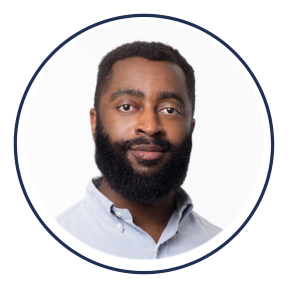 Abidemi Otaiku
Imperial College London, London • UK
Sleep disorders • Neurodegenerative diseases
“The possibility that my writing might spark curiosity in a young reader, or perhaps even inspire a future neurologist – is incredibly rewarding.”
→ Read more about the links between sleep, dreaming and brain health
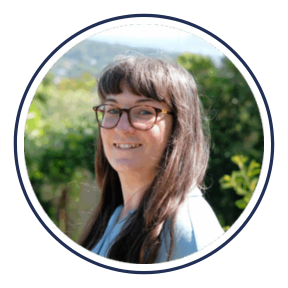 Rebecca Casterton
University of Cape Town, Cape Town • South Africa
Alzheimer’s disease • Neurodegenerative diseases
“There is still a long way to go before we achieve cures for these conditions. However, advances have given researchers a tremendous sense of optimism that increasingly effective treatments will be possible.”
→ Read more on neuronal cell cycle re-entry in neurodegenerative disease
 Robin Zhou
Karolinska Institutet, Stockholm • Sweden
Alzheimer’s disease
“I wanted to pursue a career in neurology because it offers the opportunity to witness, and hopefully contribute to, this major shift in the treatment of previously incurable neurodegenerative diseases.”
→ Read more on advancing blood-based biomarkers for early Alzheimer’s disease
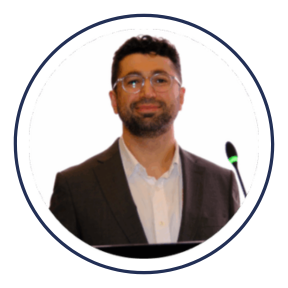 Erdi Şahin
Istanbul University Faculty of Medicine, Istanbul • Türkiye
Neurodegenerative diseases
“I believe that strengthening international collaborations and increasing the representation of diverse populations in neurological research will be essential for delivering truly equitable and personalized neurological care.”
→ Read more on convergence of genetics, biomarkers and precision medicine in neurology
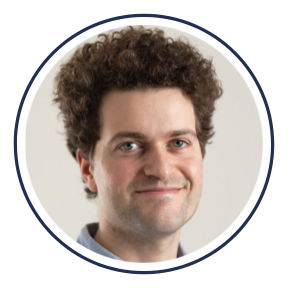 Mathias Gramkow
Danish Dementia Research Centre & Rigshospitalet, Copenhagen • Denmark
Alzheimer’s disease
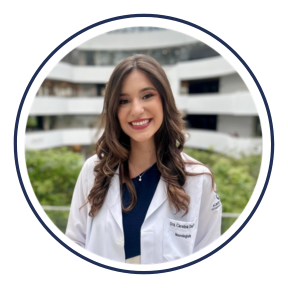 Carolina Dal Bo
University of Oxford, Oxford • UK/Brazil
Neuroimmunology • Multiple sclerosis
“Many neurological conditions require ongoing care over many years, allowing you to support patients throughout different stages of their lives and help them navigate the challenges they face.”
→ Read more on bridging clinical care and research in neuroimmunology
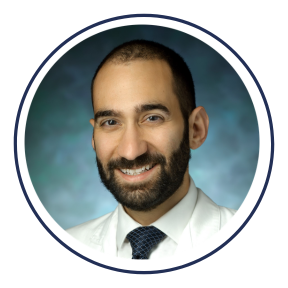 Elias Sotirchos
Johns Hopkins University School of Medicine, Baltimore • USA/Greece
Neuroimmunology • Multiple sclerosis
“I find it incredibly rewarding to support patients not only as they manage their disease, but also as they pursue their education, build careers and start families while living with a chronic neurological condition.”
→ Read more on advancing precision therapies in MS, MOGAD, and NMOSD
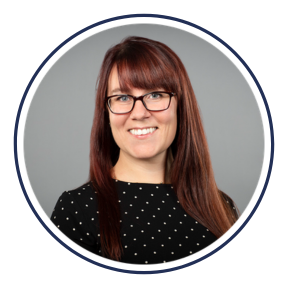 Sarah Haigh
University of Nevada, Reno, NV • USA
Sensory disorders • Headache disorders • Migraine
“It is remarkable that something as seemingly simple as a striped pattern can provide such profound insights into how the brain works, and that idea continues to drive my research today.”
→ Read more about the understanding of sensory symptoms in neurological disorders
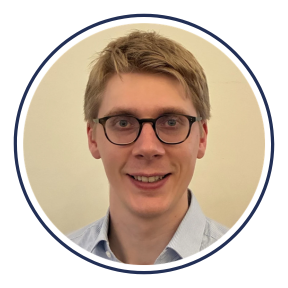 Bjorn Vahsen
University of Oxford, Oxford • UK
Amyotrophic lateral sclerosis • Neurodegenerative diseases
“Science can be challenging because many experiments simply do not work as expected. That makes the moments when you discover something genuinely exciting even more rewarding.”
→ Read more on stem cell models and immune cells in ALS and frontotemporal dementia
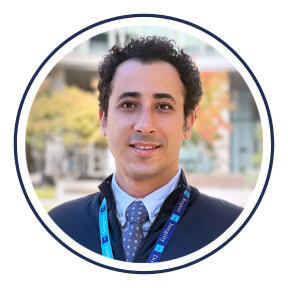 Ahmed Abdelhak
University of California, San Francisco, CA • USA
Multiple sclerosis • Biomarkers
“Research offers the opportunity to improve our understanding of neurological diseases and ultimately benefit many more patients than those we see individually.”
→ Read more on transforming multiple sclerosis care through biomarker discovery
Congratulations to our Future Leaders 2026!

More from touchNEUROLOGY Future Leaders
→ Look back at our Future Leaders 2025
→ A year in review: Expert voices on the developments that defined 2025
SIGN UP to touchNEUROLOGY!
Join our global community today for access to thousands of peer-reviewed articles, expert insights, and learn-on-the-go education across 150+ specialties, plus concise email updates and newsletters so you never miss out.