Leading Alzheimer’s disease experts share the therapeutic and research developments they believe had the greatest potential to transform diagnosis, treatment and prevention at the Alzheimer’s Association International Conference (AAIC) 2026.
The Alzheimer’s Association International Conference (AAIC) 2026 showcased advances across the Alzheimer’s disease landscape, from emerging disease-modifying therapies and blood-based biomarkers to precision medicine and prevention strategies.
As part of our AAIC 2026 coverage, touchNEUROLOGY spoke with leading international experts about the research they believe will have the greatest impact on clinical practice and future patient care. While their perspectives differed, several common themes emerged, including earlier intervention, biomarker-guided treatment, combination therapies and the continued expansion of therapeutic targets beyond amyloid.
The move beyond amyloid
Although anti-amyloid therapies continue to transform the treatment landscape, several experts highlighted the growing importance of targeting additional disease mechanisms.
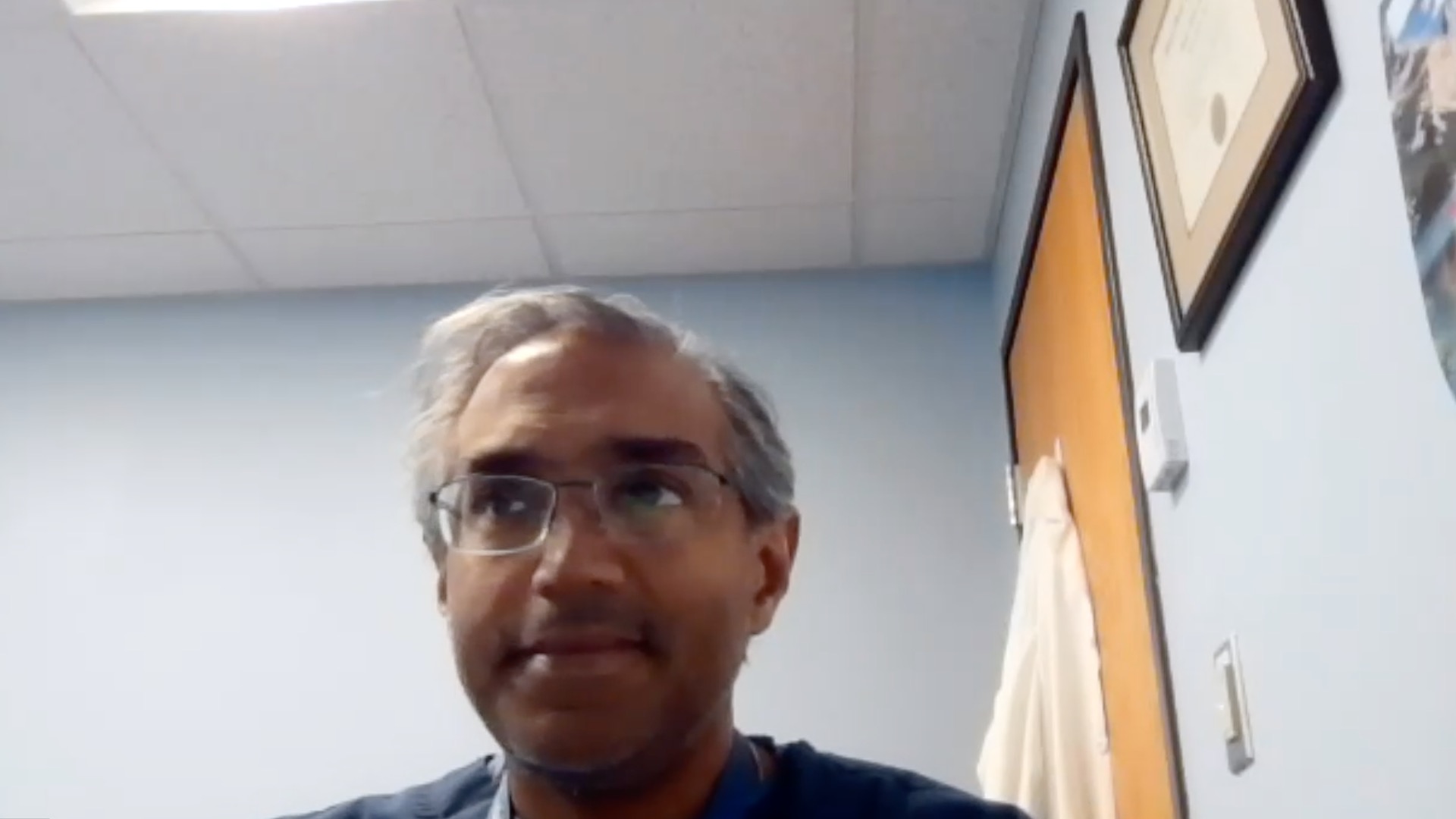
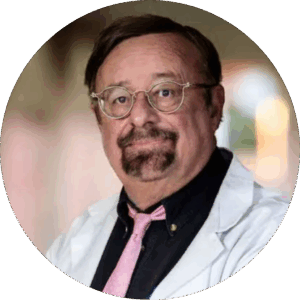 Prof. George Grossberg
Saint Louis University School of Medicine, St. Louis, MO, USA
“One of the biggest themes at AAIC 2026 has been the continued evolution of blood-based biomarkers for the early diagnosis of Alzheimer’s disease. These biomarkers are moving beyond identifying mild cognitive impairment to detecting people in the preclinical stages of disease,
creating new opportunities for earlier intervention and prevention. They’re also becoming increasingly valuable for monitoring treatment response.
Beyond biomarkers, we’ve seen growing evidence supporting lifestyle interventions, including exercise, cognitive activity and management of cardiovascular risk factors. There is also increasing excitement around tau-targeted therapies, with a number of promising programmes now in development.
For me, one of the greatest benefits of AAIC is the opportunity for scientists and clinicians from around the world to exchange ideas and build collaborations. Those conversations are often just as valuable as the presentations themselves.”
Read the full Q&A on advancing the management of agitation in Alzheimer’s disease
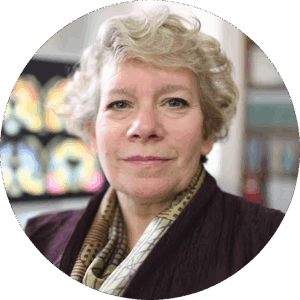
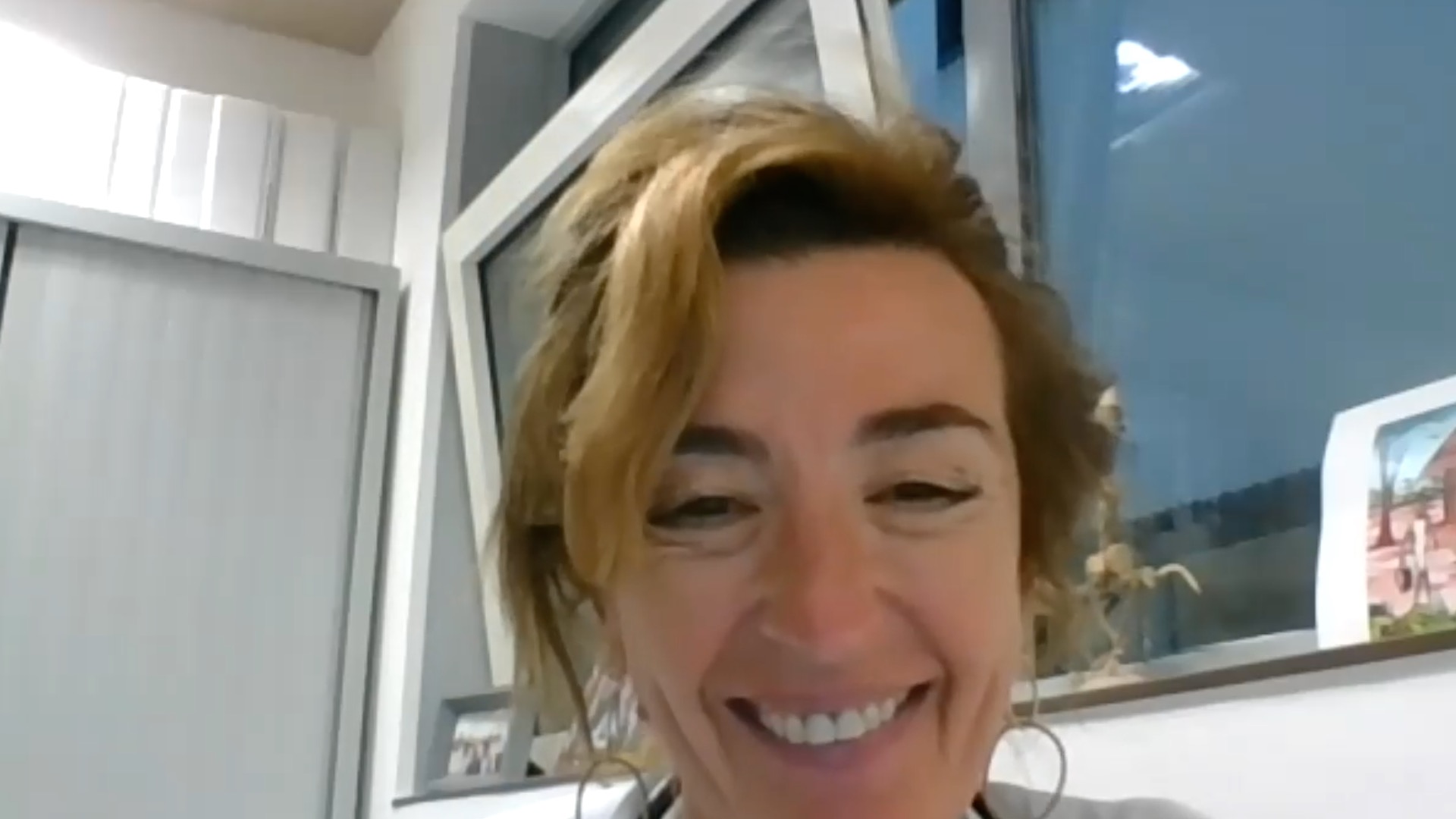
Dr Reisa Sperling
Massachusetts General Hospital, Brigham and Women’s Hospital and Harvard Medical School, Boston, MA, USA
“There have been important advances in anti-amyloid therapies, including the Brainshuttle programme, but we are also seeing exciting data on tau-targeted therapies, including antisense
oligonucleotide (ASO) approaches. It is encouraging to see the field moving beyond amyloid alone.
Ultimately, particularly for people who already have symptoms, I think we will want combination therapies that target both amyloid and tau, and I really look forward to seeing that happen.”
Read the full Q&A on insights into the Brainshuttle AD and PrevenTRON programs

Dr Klaus Dugi
Chief Executive Officer, Vandria
“I was particularly interested in some of the phase 2 data on tau-targeted therapies. I think tau represents one of the next major frontiers in Alzheimer’s disease treatment, so it is exciting to see new mechanisms of action emerging.
The other area that has really caught my attention is the growing recognition that Alzheimer’s disease is not one single disease. We are beginning to identify different patient phenotypes that may respond differently to different treatments. If we can better define those subgroups and tailor therapies accordingly, then precision medicine will become an increasingly important part of Alzheimer’s disease care.
I think both of those developments will help bring us closer to more effective treatments for patients.”
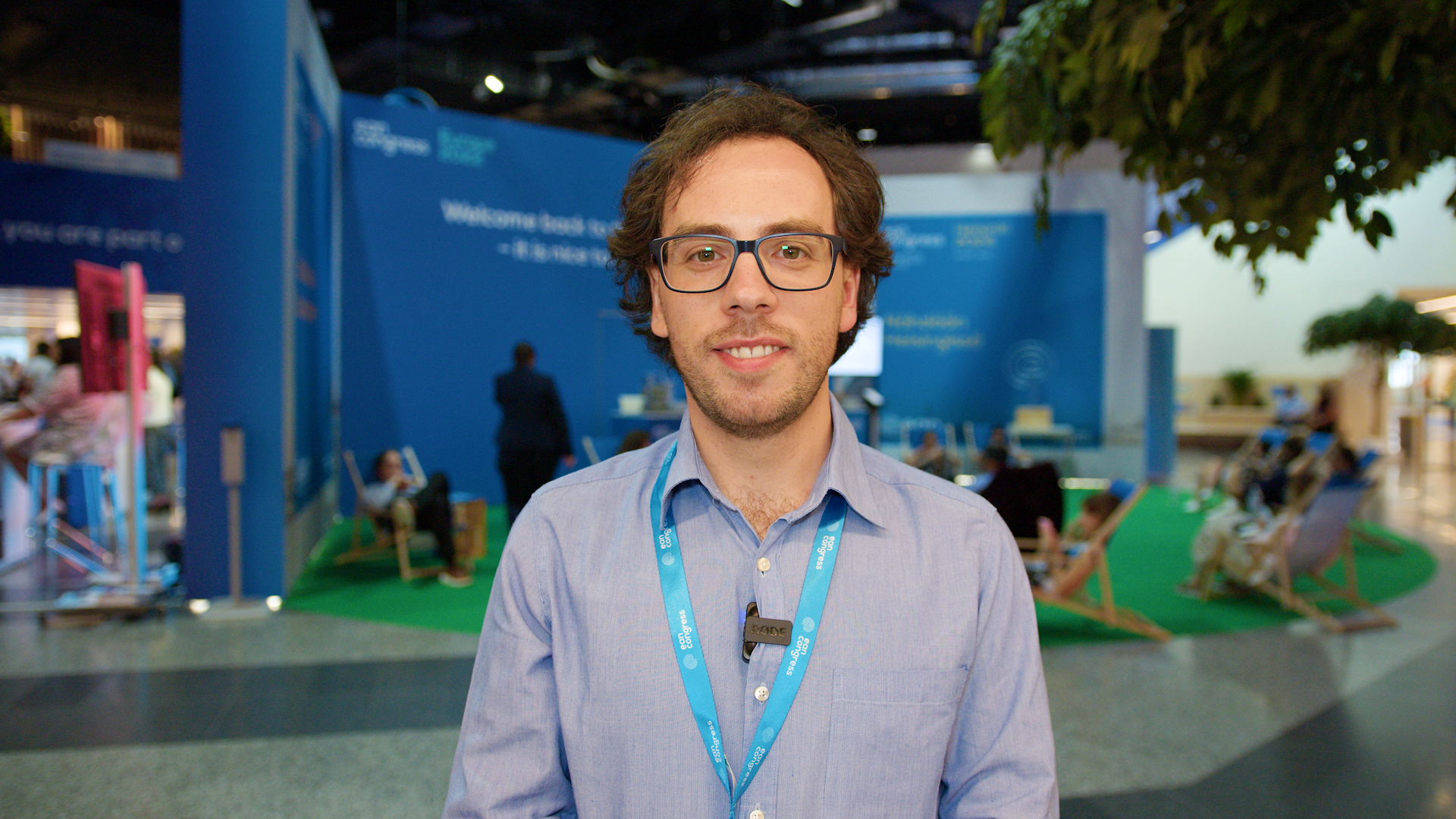
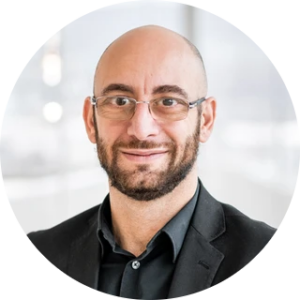 Dr Gennaro Pagano
Roche/Genentech, Basel, Switzerland
“There are many different approaches being presented, and I’m extremely excited that people are sharing the data publicly with all the detail that is necessary for the field.
We’re seeing new data on amyloid lowering, tau lowering and inflammatory pathways, as well as novel targets within the neuroimmune system. It’s an extremely vibrant and exciting time for Alzheimer’s disease research.
AAIC also gives us a platform where different stakeholders can come together and share different points of view. I learned a lot from the questions I received during my session, and I think many others have benefited from those discussions too.”
Emerging strategies for Alzheimer’s disease prevention
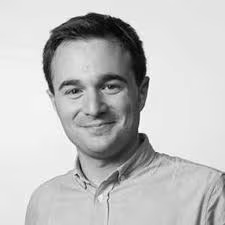
While many discussions at AAIC focused on earlier diagnosis, Prof. Takaomi Saido highlighted the need for therapies capable of preventing Alzheimer’s disease before cognitive symptoms develop.

Prof. Takaomi Saido
RIKEN Center for Brain Science and Keio University, Japan
“I believe therapies that increase neprilysin activity through selective somatostatin receptor-targeted GPCR medications have enormous potential. By enhancing the brain’s natural capacity to degrade amyloid-beta and reducing the formation of pyroglutamyl Aβ, these treatments could intervene much earlier in the disease process than current immunotherapies.
Importantly, I anticipate these approaches will be both safer and considerably less expensive than antibody therapies, making them more suitable for preventive treatment in large at-risk populations.
Ultimately, my goal is a future in which we can prevent Alzheimer’s disease before the onset of cognitive impairment, rather than treating it only after symptoms have already developed.”
Precision medicine is becoming reality
Another recurring message was that Alzheimer’s disease is increasingly being viewed as a heterogeneous condition requiring personalized treatment strategies.
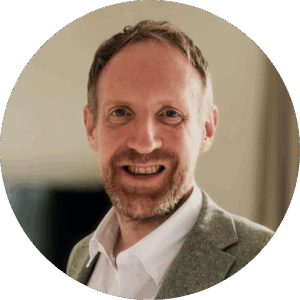
Prof. John-Paul Taylor
Newcastle University, Newcastle upon Tyne, UK
“I don’t think dementia will be solved with one magic bullet. Much like cancer, we’ll ultimately use a combination of therapies targeting different disease mechanisms.”
Prof. Taylor believes biomarkers will play a central role in matching therapies to the biological characteristics of individual patients, particularly in dementia with Lewy bodies.
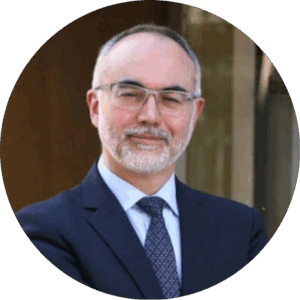 Prof. Arcadi Navarro
Barcelonaβeta Brain Research Center (BBRC), Barcelona, Spain
“We need to move beyond simply saying someone is at risk or not at risk. We need individualized risk prediction over five, ten or fifteen years.”
Prof. Navarro sees personalized risk prediction as one of the next major milestones, enabling clinicians to have meaningful conversations with patients long before cognitive symptoms appear.
Scientific collaboration is accelerating progress
Beyond individual therapies, we reflect upon the pace of scientific progress and the collaborative nature of AAIC.
Prof. Arcadi Navarro
“I would say that some of the phase 2a and phase 2b results presented this week are genuinely exciting. Several have the potential to be real game changers. At the same time, I am equally excited by the growing collaboration between research groups across different countries and populations.
Having genomic, multiomic and biomarker data from diverse populations around the world will be fundamental if we are going to fully understand Alzheimer’s disease and plan the future of treatment.”
Read the full Q&A on insights from the Barcelonaβeta Brain Research Center
Looking ahead
Although the experts interviewed focused on different areas of Alzheimer’s disease research, their views converged around several major themes:
- Earlier diagnosis through blood-based biomarkers and risk prediction.
- New disease-modifying therapies extending beyond amyloid to include tau, neuroinflammation and cellular metabolism.
- Precision medicine, using biomarkers to match treatments to the right patients.
- Combination therapies targeting multiple pathological pathways.
- Prevention, with treatment beginning before cognitive symptoms emerge.
AAIC 2026 demonstrated that Alzheimer’s disease research is rapidly evolving. While many questions remain, the breadth of therapeutic approaches presented this year suggests the field is moving steadily towards more personalized, effective and preventive care.
More content in Alzheimer’s disease
Cite: AAIC 2026: Experts highlight the therapeutic advances shaping the future of Alzheimer’s disease. touchNEUROLOGY. 03 August 2026.
Editor: Katey Gabrysch, Editorial Director.
Disclosures: see individual articles mentioned.
The content was developed and edited by human editors. No fees or funding were associated with its publication. touchNEUROLOGY utilize AI as an editorial tool (ChatGPT (GPT-4o) [Large language model]. https://chat.openai.com/chat).
This content has been developed independently by Touch Medical Media for touchNEUROLOGY in collaboration with Prof. Saido. Views expressed are the speaker’s own and do not necessarily reflect the views of Touch Medical Media.
SIGN UP to touchNEUROLOGY!
Join our global community today for access to thousands of peer-reviewed articles, expert insights, and learn-on-the-go education across 150+ specialties, plus concise email updates and newsletters so you never miss out.