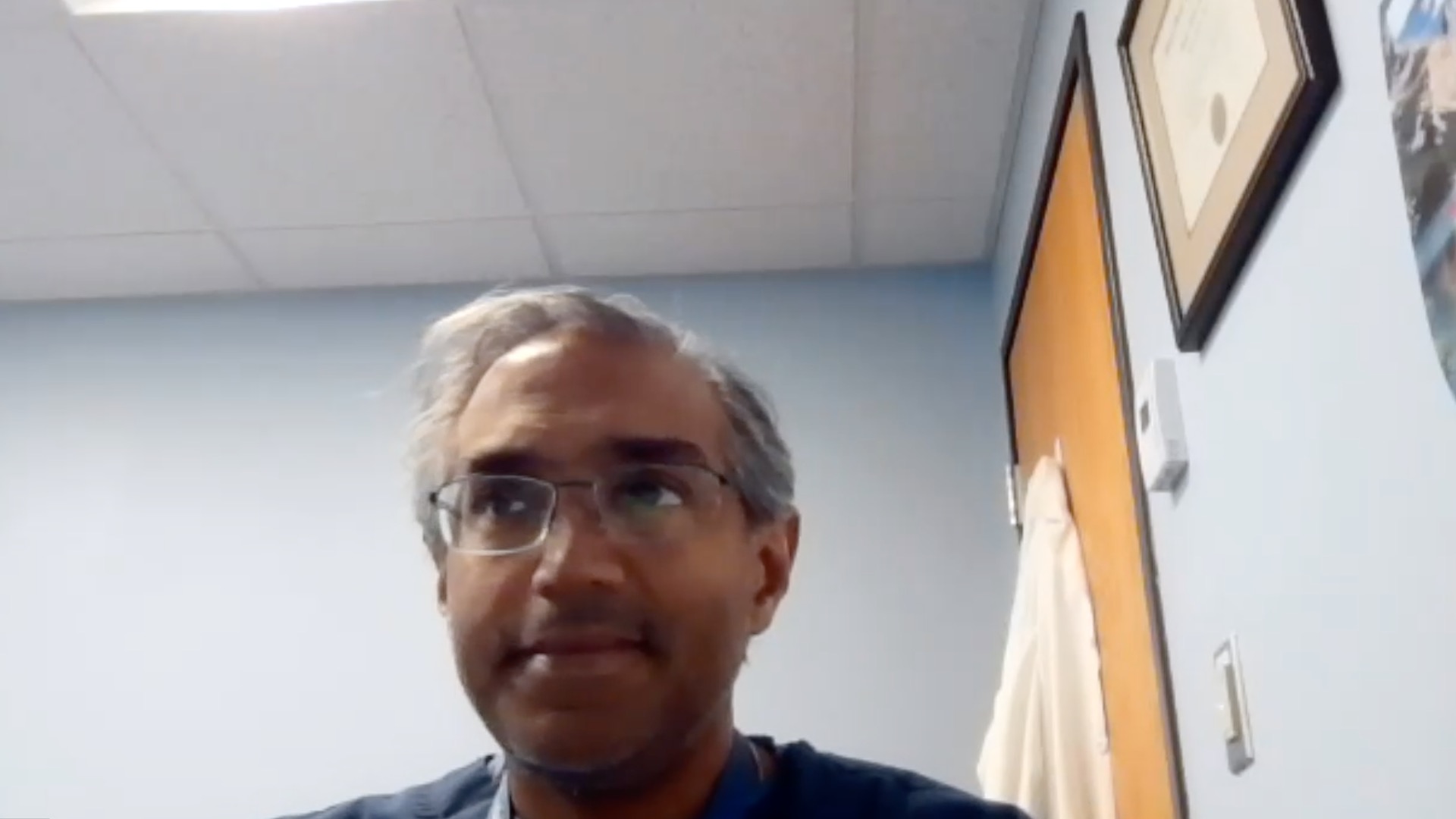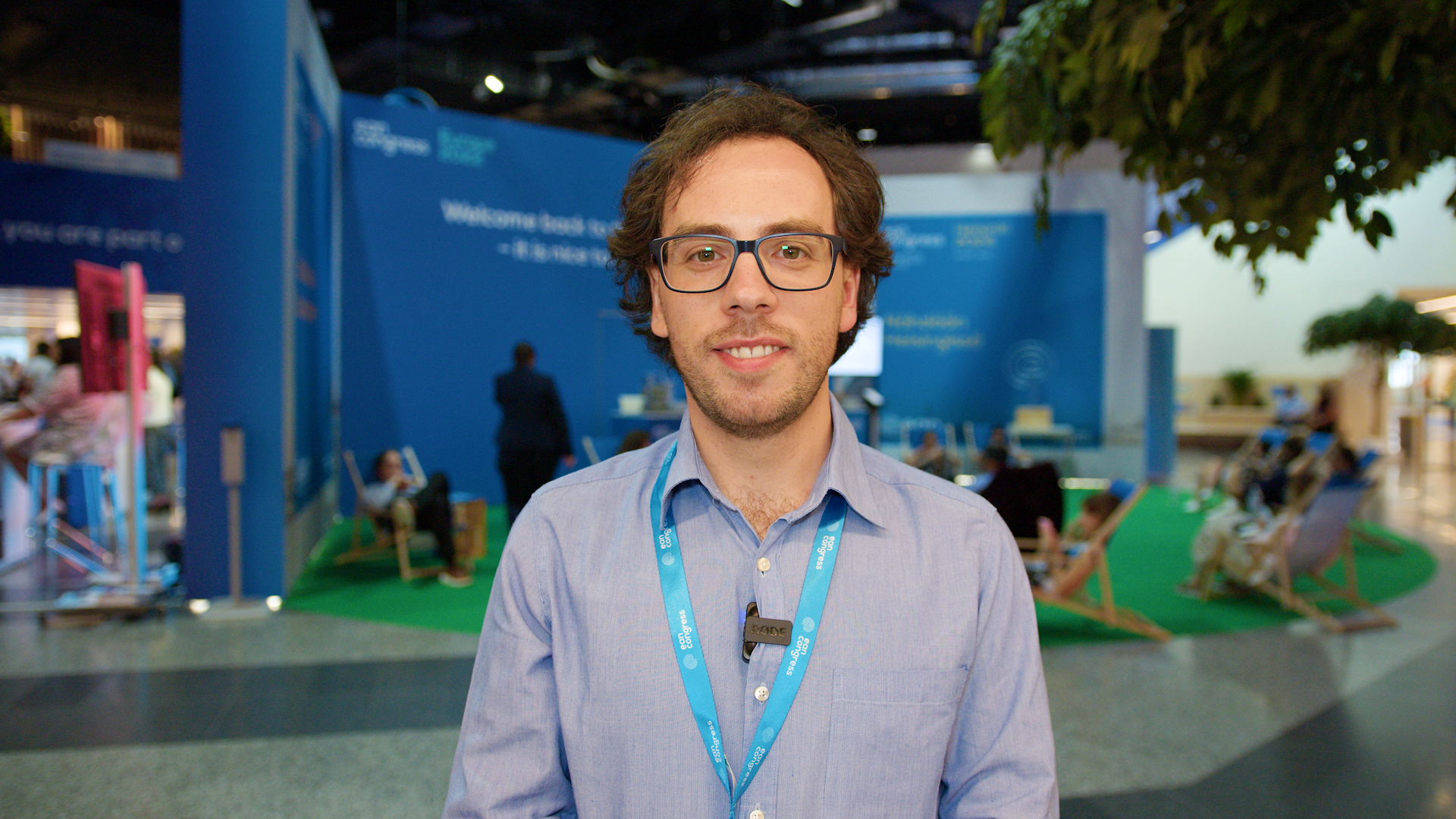
We are delighted to announce Dr Erdi Sahin as a touchNEUROLOGY Future Leader 2026, selected by peers as one of the neurologists changing the future of neurodegenerative disease.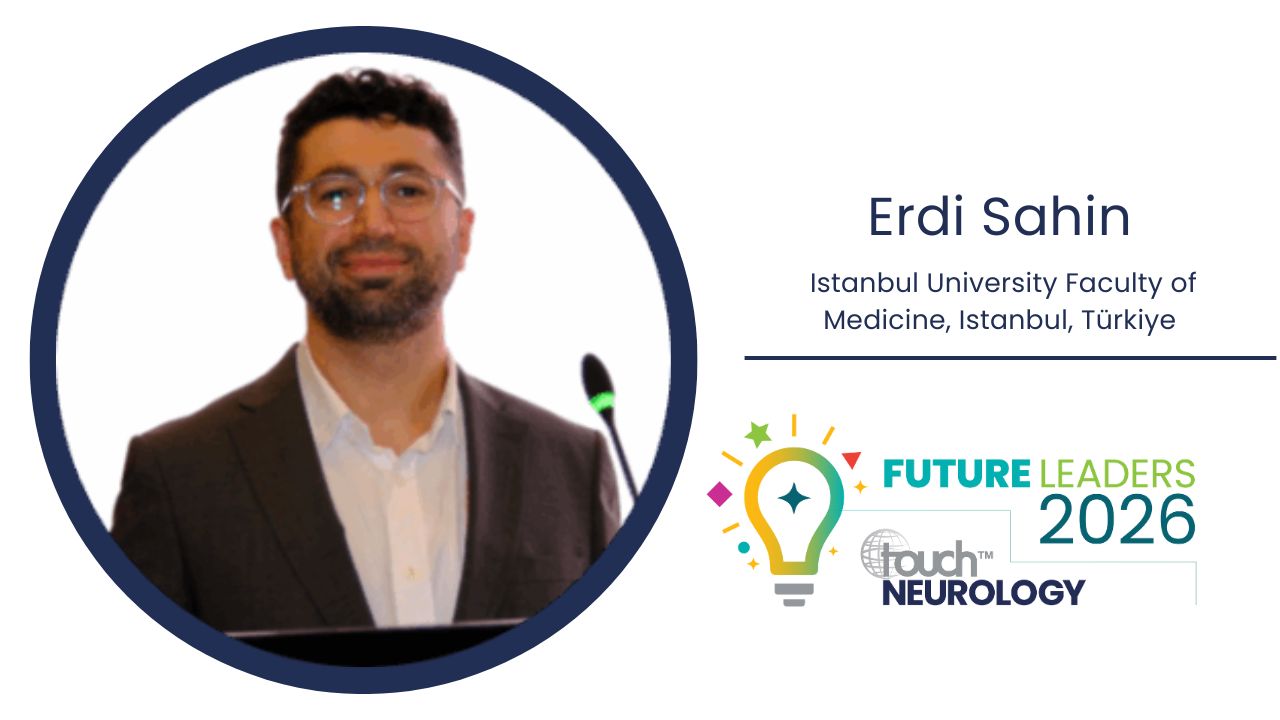
We spoke with Dr Erdi Sahin, an Assistant Professor in the Department of Neurology’s Behavioural Neurology and Movement Disorders Unit, Istanbul University Faculty of Medicine, Istanbul, Türkiye. His clinical and research interests span neurodegenerative diseases, movement disorders, dementia and neurogenetics, with a particular focus on understanding the genetic and biological mechanisms underlying Parkinson’s disease, hereditary ataxias and cognitive disorders.
Alongside his clinical work, Dr Sahin has contributed to numerous international research collaborations and has published extensively in the fields of movement disorders, dementia and neurological genetics. His work aims to improve diagnostic precision and support the development of more personalized approaches to neurological care.
In this interview, Dr Sahin reflects on the experiences that inspired his career in neurology, discusses the value of international collaboration and mentorship, and shares why advances in genetics, biomarkers and precision medicine are transforming the diagnosis and treatment of neurodegenerative diseases.
What inspired you to pursue a career in neurology?
My interest in neurology began during medical school at Istanbul University, where I became fascinated by the complexity of the human brain and the ways neurological diseases affect cognition, behavior and movement. As someone with a highly analytical mindset, I found that understanding the brain’s functional organization and the mechanisms underlying human behavior, cognition and movement closely matched the way I naturally think and approach problems.
Neurology offered an intellectually stimulating field in which complex clinical observations could be integrated with neuroscience, physiology and, increasingly, genetics.
At the same time, I greatly valued patient–physician interaction. Neurology often involves building long-term relationships with patients and their families while helping them navigate life-changing diagnoses and complex clinical decisions. The combination of scientific inquiry, analytical thinking and meaningful patient care strongly resonated with me and ultimately inspired me to pursue a career in this field.
As my training progressed, I developed a particular interest in neurodegenerative disorders, including Parkinson’s disease, dementia and hereditary ataxias. This interest was greatly influenced by the mentorship of distinguished neurologists at Istanbul University, including Prof. Murat Emre, Prof. Hakan Gürvit, Prof. Hasmet Hanağası and Prof. Başar Bilgiç.
I was especially drawn to the role of genetics in these conditions and the possibility of uncovering disease mechanisms that could ultimately lead to more precise diagnoses and targeted therapies. This interest was further strengthened through my research experiences and international collaborations, which highlighted the importance of integrating clinical neurology with advances in genetics and translational research.
What has been the most rewarding moment in your journey so far?
Rather than a single moment, the most rewarding aspect of my career has been the opportunity to contribute simultaneously to patient care, research and education. As a clinician-scientist working in behavioral neurology and movement disorders, I have been fortunate to care for patients with complex neurodegenerative diseases while also participating in research that seeks to improve our understanding of these conditions.
A particularly formative experience during my residency was a research fellowship at Maastricht University in the Netherlands, where I worked on deep brain stimulation research. Exposure to an internationally recognized research environment broadened my scientific perspective and taught me the value of multidisciplinary collaboration in addressing complex neurological problems.
Beyond the scientific output itself, this experience helped shape my vision as a clinician-scientist by demonstrating how rigorous research can directly influence patient care and drive innovation in the field of movement disorders.
Another meaningful aspect of my work has been contributing to international collaborative projects and helping to expand knowledge about underrepresented populations in neurological research. Working in Türkiye has given me a unique perspective on the challenges and opportunities of delivering high-quality neurological care in settings that are often underrepresented in global datasets.
Being able to generate evidence from our population and contribute to international research efforts has been especially fulfilling.
Which current innovations or developments in neurology excite you most for the future?
I am particularly excited by the convergence of genetics, biomarkers and precision medicine in neurology. The growing ability to identify genetic causes of neurodegenerative diseases, combined with advances in fluid and imaging biomarkers, is fundamentally transforming the way we diagnose and classify neurological disorders.
I am also encouraged by the emergence of disease-modifying therapies for conditions that were once considered untreatable. These developments make early and accurate diagnosis more important than ever.
“I believe that strengthening international collaborations and increasing the representation of diverse populations in neurological research will be essential for delivering truly equitable and personalized neurological care worldwide.”
As a researcher, I am especially interested in ensuring that advances in genetics and precision medicine are applicable to diverse populations, including those from regions that have historically been underrepresented in research.
Looking ahead, one of my primary goals is to contribute to the development of improved diagnostic and treatment strategies for neurodegenerative diseases. I believe that strengthening international collaborations and increasing the representation of diverse populations in neurological research will be essential for delivering truly equitable and personalized neurological care worldwide.
More content in movement disorders
Cite: Dr Erdi Sahin on convergence of genetics, biomarkers and precision medicine in neurology: touchNEUROLOGY Future Leader 2025
Editor: Katey Gabrysch, Editorial Director.
Disclosures: Dr Erdi Sahin has nothing to disclose.
The content was developed and edited by human editors. No fees or funding were associated with its publication. touchNEUROLOGY utilize AI as an editorial tool (ChatGPT (GPT-4o) [Large language model]. https://chat.openai.com/chat).
This content has been developed independently by Touch Medical Media for touchNEUROLOGY in collaboration with Dr Erdi Sahin. Views expressed are the speaker’s own and do not necessarily reflect the views of Touch Medical Media.
SIGN UP to touchNEUROLOGY!
Join our global community today for access to thousands of peer-reviewed articles, expert insights, and learn-on-the-go education across 150+ specialties, plus concise email updates and newsletters so you never miss out.