
Neuroimmunology
An Introduction to Neuroimmunology
Neuroimmunology aims to understand the interactions of the immune and nervous systems. Neural targets involved in many aspects of homeostasis are affected by inflammatory cytokines. The most well-known autoimmune neurological disorder is multiple sclerosis, characterised by an inflammatory autoimmune attack on the myelin sheath and neurodegeneration. Neuroinflammation also plays a role in in Alzheimer’s and Parkinson’s diseases, amyotrophic lateral sclerosis, Huntington’s disease, stroke, chronic depression and schizophrenia. Neuroimmunology is also an important consideration in the design of neural implants. Further understanding of the balance between beneficial and pathological effects of the immune system on the neuronal system will facilitate the development of novel therapies.
Browse our gallery of video highlights and short articles from the conference hub, providing latest expert insights from major conferences and peer-reviewed articles from the journal portfolio.
Our supporting partners do not constitute an endorsement of the content on this page.


Explore the National Multiple Sclerosis Society’s new interactive eLearning program, designed to help clinicians understand and apply the 2024 McDonald Criteria in clinical practice The 2024 revisions to the McDonald Criteria represent a substantial evolution in the diagnosis of multiple sclerosis (...


Highlights from the European Academy of Neurology (EAN) 2026 Congress included new phase 3 data in ocular myasthenia gravis, emerging migraine treatments, longer-term results in multiple sclerosis, and advances in deep brain stimulation for Parkinson’s disease. The 12th Congress of the ...
Meet the future leaders transforming neurology The touchNEUROLOGY Future Leaders 2026 programme recognizes outstanding early- and mid-career clinicians, researchers and scientists who are shaping the future of neurology. Nominated by peers across the global neurology community, these innovators are leading advances ...
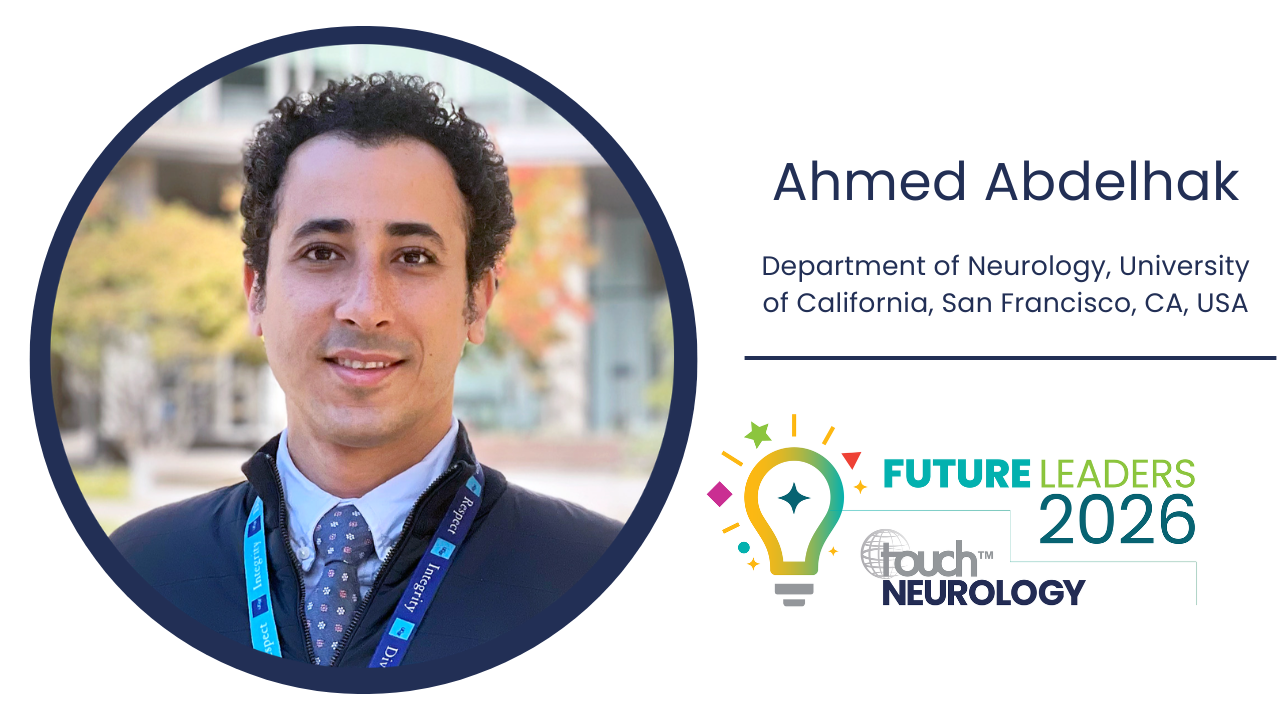
We are delighted to announce Dr Ahmed Abdelhak as a touchNEUROLOGY Future Leader 2026, selected by peers as one of the neurologists changing the future of research in blood biomarkers in multiple sclerosis. We spoke with Dr Ahmed Abdelhak (Department of ...
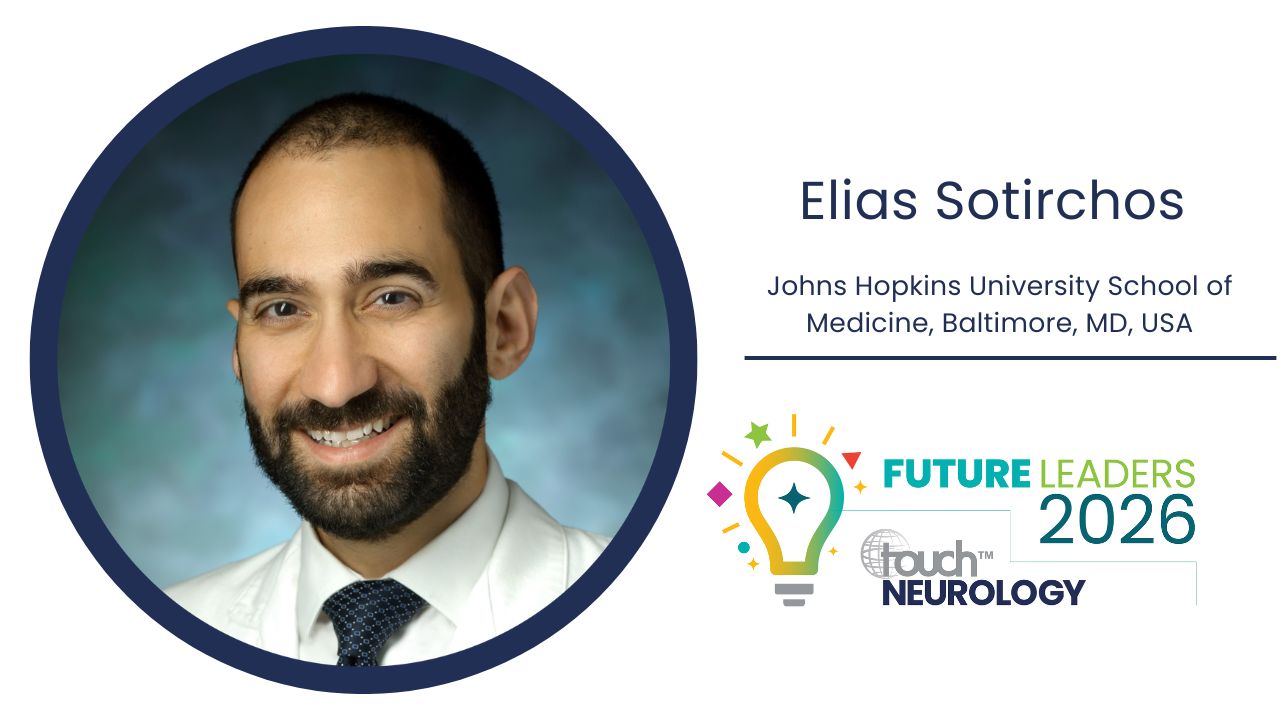
We are delighted to announce Dr Elias Sotirchos as a touchNEUROLOGY Future Leader 2026, selected by peers as one of the neurologists changing the future of neuroimmunological disorders research We spoke with Dr Elias Sotirchos (Johns Hopkins University School of Medicine, ...







Dr Joost Smolders discusses the biology of broad rim lesions, their association with faster disability accumulation and how they could help inform future prognostication and treatment strategies in multiple sclerosis. Emerging biomarkers capable of identifying patients at risk of rapid ...



Leading experts share their perspectives on the most important therapeutic and treatment updates at AAN 2026 and discuss how these findings may shape the future of neurologic care At American Academy of Neurology (AAN) Annual Meeting, Chicago, IL, USA, April 18–22, 2026, major ...

Emerging data from AAN 2026 across neuroimmunology, epilepsy, neuromuscular disease, movement disorders and neuroinfectious disease highlighted the continued evolution of neurology toward more precise, personalized and mechanism-driven care. The American Academy of Neurology (AAN) Annual Meeting, Chicago, IL, USA, from April 18–22, 2026, ...

New findings highlight the importance of functional antiviral immunity, beyond lymphocyte expansion alone, in progressive multifocal leukoencephalopathy. At American Academy of Neurology 2026, Dr Yair Mina (Staff Clinician, Experimental Immunotherapeutics Unit, National Institute of Neurological Disorders and Stroke (NINDS), Bethesda, MD, ...

New international data support rapid aquaporin-4 antibody testing to improve earlier diagnosis and access to care in NMSOD Accurate and timely antibody testing remains central to improving outcomes in neuromyelitis optica spectrum disorder (NMOSD), where early diagnosis can help prevent ...

The late-breaking science sessions at AAN Annual Meeting 2026, Chicago, IL, USA brought together a wide range of pivotal and practice-shaping data spanning rare disease, neuroimmunology, headache, epilepsy, neurodegeneration and neuromuscular medicine. Several presentations reported positive phase III findings, while others ...

Prof. Michael Levy highlights the first positive phase 3 trial in MOGAD and what it could mean for future standards of care. Relapse prevention remains one of the greatest unmet needs in myelin oligodendrocyte glycoprotein antibody-associated disease (MOGAD), where recurrent inflammatory ...

Understanding multiple sclerosis (MS) across the lifespan has become increasingly important as insights from adult disease cohorts reshape concepts of susceptibility, progression and long-term treatment strategy. In this Q&A, Dr Bardia Nourbakhsh (Johns Hopkins School of Medicine, Baltimore, ...
Log into your Touch Account
Keep track of your clinical interests and newsletter subscriptions.
Sign up with an Email
Or use a .
Register now for FREE access
Already registered? Login below.